
• Verkeerd document? Gratis ruilen
  • Geschreven door studenten die geslaagd zijn
  • Direct beschikbaar na je betaling
  • Online lezen of als PDF
Verkopen
Kies je studieland
Kies je taal
Document preview thumbnail
Voorbeeld 1 van de 2 pagina's
Samenvatting

Summary Damages

Document preview thumbnail
Voorbeeld 1 van de 2 pagina's

In Tort Law, Damages are the primary remedy aimed at restitution—putting the claimant back in the position they would have been in had the tort not occurred (Livingstone v Rawyards Coal Co). Unlike criminal fines, damages are compensatory, not punitive. The court divides damages into two main categories: Special Damages (calculable losses up to the date of trial) and General Damages (speculative losses looking into the future).

Voorbeeld van de inhoud

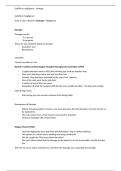
Liability in negligence – damage


Liability in Negligence

Duty of care + Breach + Damage = Negligence


Damage

Damage may be:
- To a person
- To property
There are two elements linked to damage:
- Causation, and
- Remoteness


Causation

Factual causation in Tort

Barnett v Chelsea and Kensington Hospital Management Committee (1969)

- 3 nightwatchmen went to A&E after drinking tea made by another man.
- They were told to go home and see how they felt.
- Actually, they had been poisoned by the cup of tea, (arsenic)
- One of the men went home and died.
- A widow of one of the men sued.
- Regardless of what the hospital staff did, the man would have died – the dose was so high.

Intervening events

- Intervening acts can prevent someone from being liable.


Remoteness of Damage

- Where factual causation is shown, you must also show that the damage is not too remote to
be claimed for.
- This rule comes from a Privy Council case heard in Australia.
- Overseas Tankship (UK) v Morts Dock


Wagon Mound (1961)

- Fuel had negligently been spilt from the defendant’s ship in Sydney Harbour.
- This spread to a wharf where welding was being conducted.
- The oil caught fire. This burnt down the wharf.
- The court determined that the damage to the wharf by oil was foreseeable, but the fire was
not.

The test we use to assess remoteness is whether the damage was reasonably foreseeable.

Documentinformatie

Study Level
Subject
Geüpload op
15 april 2026
Aantal pagina's
2
Geschreven in
2024/2025
Type
Samenvatting
$8.77

Verkeerd document? Gratis ruilen Binnen 14 dagen na aankoop en voor het downloaden kun je een ander document kiezen. Je kunt het bedrag gewoon opnieuw besteden.
Geschreven door studenten die geslaagd zijn
Direct beschikbaar na je betaling
Online lezen of als PDF

Verkocht
0
Volgers
0
Items
35
Laatst verkocht
-


Waarom studenten kiezen voor Stuvia

Gemaakt door medestudenten, geverifieerd door reviews

Kwaliteit die je kunt vertrouwen: geschreven door studenten die slaagden en beoordeeld door anderen die dit document gebruikten.

Niet tevreden? Kies een ander document

Geen zorgen! Je kunt voor hetzelfde geld direct een ander document kiezen dat beter past bij wat je zoekt.

Betaal zoals je wilt, start meteen met leren

Geen abonnement, geen verplichtingen. Betaal zoals je gewend bent via iDeal of creditcard en download je PDF-document meteen.

Student with book image

“Gekocht, gedownload en geslaagd. Zo makkelijk kan het dus zijn.”

Alisha Student

Bezig met je bronvermelding?

Maak nauwkeurige citaten in APA, MLA en Harvard met onze gratis bronnengenerator.

Bezig met je bronvermelding?

Veelgestelde vragen

