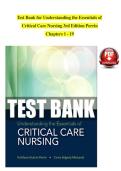
Test Bank for Understanding the Essentials of
n2 n2 n2 n2 n2 n2
n2 Critical Care Nursing 3rd Edition Perrin
n2 n2 n2 n2 n2
n2 Chapters 1 - 19
n2 n2 n2
, TEST BANK FOR UNDERSTANDING THE ESSENTIALS OF CRITICAL CARE
n2 n2 n2 n2 n2 n2 n2 n2
NURSING 3RD EDITION BY KATHLEEN PERRIN, CARRIE MACLEOD
n2 n2 n2 n2 n2 n2 n2 n2
TABLE OF CONTENT
n2 n2
1. What is Critical Care?
n2 n2 n2
2. Care of the Critical Ill Patient
n2 n2 n2 n2 n2
3. Care of the Patient with Respiratory Failure
n2 n2 n2 n2 n2 n2
4. Interpretation and Management of Basic Dysrhythmias
n2 n2 n2 n2 n2
5. Cardiodynamics and Hemodynamic Regulation
n2 n2 n2
6. Care of the Patient Experiencing Shock
n2 n2 n2 n2 n2
7. Care of the Patient Experiencing Heart Failure
n2 n2 n2 n2 n2 n2
8. Care of the Patient Experiencing Acute Coronary Syndrome
n2 n2 n2 n2 n2 n2 n2
9. Care of the Patient Following Traumatic Injury
n2 n2 n2 n2 n2 n2
10. Care of the Patient Experiencing an Intracranial Dysfunction
n2 n2 n2 n2 n2 n2 n2
11. Care of the Patient With a Cerebral or Cerbrovascular Disorder
n2 n2 n2 n2 n2 n2 n2 n2 n2
12. Care of the Critically Ill Patient Experiencing Alcohol Withdrawal and/or Liver Failure
n2 n2 n2 n2 n2 n2 n2 n2 n2 n2 n2
13. Care of the Patient With an Acute Gastrointestinal Bleed or Pancreatitis
n2 n2 n2 n2 n2 n2 n2 n2 n2 n2
14. Care of the Patient with Problems in Glucose Metabolism
n2 n2 n2 n2 n2 n2 n2 n2
15. Care of the Patient with Acute Kidney Injury
n2 n2 n2 n2 n2 n2 n2
16. Care of the Organ Donor and Transplant Recipient
n2 n2 n2 n2 n2 n2 n2
17. Care of the Acutely Ill Burn Patient
n2 n2 n2 n2 n2 n2
18. Care of the Patient with Sepsis
n2 n2 n2 n2 n2
19. Care of the ICU Patient at the End of Life
n2 n2 n2 n2 n2 n2 n2 n2 n2
, Perrin: Understanding the Essentials of Critical Care Nursing
n2 n2 n2 n2 n2 n2 n2
Chapter 1: What is Critical Care? n2 n2 n2 n2 n2 n2
MULTIPLE CHOICE.
n2 n2 n2 Choose the one alternative that best completes the statement or
n2 n2 n2 n2 n2 n2 n2 n2 n2
answers the ques
n2 n2 n2
1) Of the following patients, who should be cared for in a critical care unit? A patient: (Select
n2 n2 n2 n2 n2 n2 n2 n2 n2 n2 n2 n2 n2 n2 n2 n2
all that apply.)
n2 n2 n2
A) With an acetaminophen overdose
n2 n2 n2
B) Suffering from acute mental illness
n2 n2 n2 n2
C) With chronic renal failure
n2 n2 n2
D) With acute decompensated heart failure
n2 n2 n2 n2
ANSWER: A, D n2 n2
Explanation: A) (Note: This requires multiple responses to be correct.)
n 2 n 2 n 2 n2 n2 n2 n2 n2 n2 n2
Critical care units are c o- e
s tfficient units for caring for patients with specific organ
n2 n2 n2 n2 n
2 n2 n2 n2 n2 n2 n2 n2 n2
system failure. Although the organ failing in #4 is obvious, patients with
n2 n2 n2 n2 n2 n2 n2 n2 n2 n2 n2
acetaminophen overdose often suffer liver failure as a consequence. #2 and #3
n2 n2 n2 n2 n2 n2 n2 n2 n2 n2 n2 n2
present patient concerns of a noncritical nature.
n2 n2 n2 n2 n2 n2 n2
Nursing Process: Evaluation n2 n2
Cognitive Level: Analysis n2 n2 n2
Category of Need: Physiological Integrity–Physiological Adaptation
n2 n2 n2 n2 n2
, B) (Note: This requires multiple responses to be correct.)
n2 n2 n2 n2 n2 n2 n2
Critical care units are c o- e
n2 n2s tfficient units for caring for patients with specific organ
n2 n2 n
2 n2 n2 n2 n2 n2 n2 n2 n2
system failure. Although the organ failing in #4 is obvious, patients with
n2 n2 n2 n2 n2 n2 n2 n2 n2 n2 n2
acetaminophen overdose often suffer liver failure as a consequence. #2 and #3
n2 n2 n2 n2 n2 n2 n2 n2 n2 n2 n2 n2
present patient concerns of a noncritical nature.
n2 n2 n2 n2 n2 n2 n2
Nursing Process: Evaluation
n2 n2
Cognitive Level: Analysis
n2 n2 n2
Category of Need: Physiological Integrity–Physiological Adaptation
n2 n2 n2 n2 n2
C) (Note: This requires multiple responses to be correct.)
n2 n2 n2 n2 n2 n2 n2
Critical care units are c o- e
n2 n2s tfficient units for caring for patients with specific organ
n2 n2 n
2 n2 n2 n2 n2 n2 n2 n2 n2
system failure. Although the organ failing in #4 is obvious, patients with
n2 n2 n2 n2 n2 n2 n2 n2 n2 n2 n2
acetaminophen overdose often suffer liver failure as a consequence. #2 and #3
n2 n2 n2 n2 n2 n2 n2 n2 n2 n2 n2 n2
present patient concerns of a noncritical nature.
n2 n2 n2 n2 n2 n2 n2
Nursing Process: Evaluation
n2 n2
Cognitive Level: Analysis
n2 n2 n2
Category of Need: Physiological Integrity–Physiological Adaptation
n2 n2 n2 n2 n2
D) (Note: This requires multiple responses to be correct.)
n2 n2 n2 n2 n2 n2 n2
Critical care units are c o- e
n2 n2s tfficient units for caring for patients with specific organ
n2 n2 n
2 n2 n2 n2 n2 n2 n2 n2 n2
system failure. Although the organ failing in #4 is obvious, patients with
n2 n2 n2 n2 n2 n2 n2 n2 n2 n2 n2
acetaminophen overdose often suffer liver failure as a consequence. #2 and #3
n2 n2 n2 n2 n2 n2 n2 n2 n2 n2 n2 n2
present patient concerns of a noncritical nature.
n2 n2 n2 n2 n2 n2 n2
Nursing Process: Evaluation
n2 n2
Cognitive Level: Analysis
n2 n2 n2
Category of Need: Physiological Integrity–Physiological Adaptation
n2 n2 n2 n2 n2
n2 n2 n2 n2 n2 n2
n2 Critical Care Nursing 3rd Edition Perrin
n2 n2 n2 n2 n2
n2 Chapters 1 - 19
n2 n2 n2
, TEST BANK FOR UNDERSTANDING THE ESSENTIALS OF CRITICAL CARE
n2 n2 n2 n2 n2 n2 n2 n2
NURSING 3RD EDITION BY KATHLEEN PERRIN, CARRIE MACLEOD
n2 n2 n2 n2 n2 n2 n2 n2
TABLE OF CONTENT
n2 n2
1. What is Critical Care?
n2 n2 n2
2. Care of the Critical Ill Patient
n2 n2 n2 n2 n2
3. Care of the Patient with Respiratory Failure
n2 n2 n2 n2 n2 n2
4. Interpretation and Management of Basic Dysrhythmias
n2 n2 n2 n2 n2
5. Cardiodynamics and Hemodynamic Regulation
n2 n2 n2
6. Care of the Patient Experiencing Shock
n2 n2 n2 n2 n2
7. Care of the Patient Experiencing Heart Failure
n2 n2 n2 n2 n2 n2
8. Care of the Patient Experiencing Acute Coronary Syndrome
n2 n2 n2 n2 n2 n2 n2
9. Care of the Patient Following Traumatic Injury
n2 n2 n2 n2 n2 n2
10. Care of the Patient Experiencing an Intracranial Dysfunction
n2 n2 n2 n2 n2 n2 n2
11. Care of the Patient With a Cerebral or Cerbrovascular Disorder
n2 n2 n2 n2 n2 n2 n2 n2 n2
12. Care of the Critically Ill Patient Experiencing Alcohol Withdrawal and/or Liver Failure
n2 n2 n2 n2 n2 n2 n2 n2 n2 n2 n2
13. Care of the Patient With an Acute Gastrointestinal Bleed or Pancreatitis
n2 n2 n2 n2 n2 n2 n2 n2 n2 n2
14. Care of the Patient with Problems in Glucose Metabolism
n2 n2 n2 n2 n2 n2 n2 n2
15. Care of the Patient with Acute Kidney Injury
n2 n2 n2 n2 n2 n2 n2
16. Care of the Organ Donor and Transplant Recipient
n2 n2 n2 n2 n2 n2 n2
17. Care of the Acutely Ill Burn Patient
n2 n2 n2 n2 n2 n2
18. Care of the Patient with Sepsis
n2 n2 n2 n2 n2
19. Care of the ICU Patient at the End of Life
n2 n2 n2 n2 n2 n2 n2 n2 n2
, Perrin: Understanding the Essentials of Critical Care Nursing
n2 n2 n2 n2 n2 n2 n2
Chapter 1: What is Critical Care? n2 n2 n2 n2 n2 n2
MULTIPLE CHOICE.
n2 n2 n2 Choose the one alternative that best completes the statement or
n2 n2 n2 n2 n2 n2 n2 n2 n2
answers the ques
n2 n2 n2
1) Of the following patients, who should be cared for in a critical care unit? A patient: (Select
n2 n2 n2 n2 n2 n2 n2 n2 n2 n2 n2 n2 n2 n2 n2 n2
all that apply.)
n2 n2 n2
A) With an acetaminophen overdose
n2 n2 n2
B) Suffering from acute mental illness
n2 n2 n2 n2
C) With chronic renal failure
n2 n2 n2
D) With acute decompensated heart failure
n2 n2 n2 n2
ANSWER: A, D n2 n2
Explanation: A) (Note: This requires multiple responses to be correct.)
n 2 n 2 n 2 n2 n2 n2 n2 n2 n2 n2
Critical care units are c o- e
s tfficient units for caring for patients with specific organ
n2 n2 n2 n2 n
2 n2 n2 n2 n2 n2 n2 n2 n2
system failure. Although the organ failing in #4 is obvious, patients with
n2 n2 n2 n2 n2 n2 n2 n2 n2 n2 n2
acetaminophen overdose often suffer liver failure as a consequence. #2 and #3
n2 n2 n2 n2 n2 n2 n2 n2 n2 n2 n2 n2
present patient concerns of a noncritical nature.
n2 n2 n2 n2 n2 n2 n2
Nursing Process: Evaluation n2 n2
Cognitive Level: Analysis n2 n2 n2
Category of Need: Physiological Integrity–Physiological Adaptation
n2 n2 n2 n2 n2
, B) (Note: This requires multiple responses to be correct.)
n2 n2 n2 n2 n2 n2 n2
Critical care units are c o- e
n2 n2s tfficient units for caring for patients with specific organ
n2 n2 n
2 n2 n2 n2 n2 n2 n2 n2 n2
system failure. Although the organ failing in #4 is obvious, patients with
n2 n2 n2 n2 n2 n2 n2 n2 n2 n2 n2
acetaminophen overdose often suffer liver failure as a consequence. #2 and #3
n2 n2 n2 n2 n2 n2 n2 n2 n2 n2 n2 n2
present patient concerns of a noncritical nature.
n2 n2 n2 n2 n2 n2 n2
Nursing Process: Evaluation
n2 n2
Cognitive Level: Analysis
n2 n2 n2
Category of Need: Physiological Integrity–Physiological Adaptation
n2 n2 n2 n2 n2
C) (Note: This requires multiple responses to be correct.)
n2 n2 n2 n2 n2 n2 n2
Critical care units are c o- e
n2 n2s tfficient units for caring for patients with specific organ
n2 n2 n
2 n2 n2 n2 n2 n2 n2 n2 n2
system failure. Although the organ failing in #4 is obvious, patients with
n2 n2 n2 n2 n2 n2 n2 n2 n2 n2 n2
acetaminophen overdose often suffer liver failure as a consequence. #2 and #3
n2 n2 n2 n2 n2 n2 n2 n2 n2 n2 n2 n2
present patient concerns of a noncritical nature.
n2 n2 n2 n2 n2 n2 n2
Nursing Process: Evaluation
n2 n2
Cognitive Level: Analysis
n2 n2 n2
Category of Need: Physiological Integrity–Physiological Adaptation
n2 n2 n2 n2 n2
D) (Note: This requires multiple responses to be correct.)
n2 n2 n2 n2 n2 n2 n2
Critical care units are c o- e
n2 n2s tfficient units for caring for patients with specific organ
n2 n2 n
2 n2 n2 n2 n2 n2 n2 n2 n2
system failure. Although the organ failing in #4 is obvious, patients with
n2 n2 n2 n2 n2 n2 n2 n2 n2 n2 n2
acetaminophen overdose often suffer liver failure as a consequence. #2 and #3
n2 n2 n2 n2 n2 n2 n2 n2 n2 n2 n2 n2
present patient concerns of a noncritical nature.
n2 n2 n2 n2 n2 n2 n2
Nursing Process: Evaluation
n2 n2
Cognitive Level: Analysis
n2 n2 n2
Category of Need: Physiological Integrity–Physiological Adaptation
n2 n2 n2 n2 n2