

PSY 2012 EXAM 4 (SOLVED) 100% CORRECT.
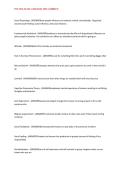
Social Psychology - (ANSWER)how people influence our behavior, beliefs, and attitudes. Organized
around social thinking, social influence, and social relations.
Fundamental attribution - (ANSWER)tendency to overestimate the effect of dispositional influences on
other people's behavior. Our attribution can affect our attitude by what we think is going on.
Attitude - (ANSWER)belief that includes an emotional component
Foot in the Door Phenomenon - (ANSWER)to ask for something little then ask for something bigger after
Bait and Swicth - (ANSWER)Company advertise low price just to get customers to come in then switch it
up
Low-Ball - (ANSWER)Offer low price but then other things are needed which will raise the price
Cognitive Dissonance Theory - (ANSWER)unpleasant mental experience of tension resulting in conflicting
thoughts and behaviors
Asch Experiment - (ANSWER)would real subject change their answer to wrong answer to fit in with
everyone else
Milgram experiement - (ANSWER)if someone would continue to obey rules even if that meant hurting
someone
Social Facilitation - (ANSWER)Enhanced performance on easy tasks in the presence of others
Social Loafing - (ANSWER)Tendency to become less productive in groups because of feeling of less
responsibility
Deindividuation - (ANSWER)Loss of self-awareness and self restraint in group. happens when no one
knows who you are
, PSY 2012 EXAM 4 (SOLVED) 100% CORRECT.
Zimbardo's Stanford Prison Study - (ANSWER)subjects randomly assigned to role of prisoner or guard
and thrown into jail. Guards began to take the power to the head and prisoners became depressed.
Group interaction on popularity - (ANSWER)group discussion can strengthen the dominant position held
by individual group members
Factors that contribute to prejudice - (ANSWER)beliefs, actions, other-race effect, vivid cases, just world
phenomenon
Factors that affect interpersonal attraction - (ANSWER)proximity, similarity, reciprocity, physical
attractiveness
Predictors of enduring companionate love - (ANSWER)equity, and self-disclosure
Altruism - (ANSWER)helping others for unselfish reasons
Bystander Effect - (ANSWER)tendency not to help because you think someone else will
Personality - (ANSWER)patterns of thinking, feeling, and behavior
ID - (ANSWER)Driven by pleasure principle. fights for manifestation and satisfaction of unconscious
psychic energy. Most primitive part of personality.
Ego - (ANSWER)Driven by reality principle. Our largely conscious self
Superego - (ANSWER)Represents internalized rules and ideas pressed upon us
Oral Stage - (ANSWER)Mouth related pleasures that occur at 0-18 months.
Social Psychology - (ANSWER)how people influence our behavior, beliefs, and attitudes. Organized
around social thinking, social influence, and social relations.
Fundamental attribution - (ANSWER)tendency to overestimate the effect of dispositional influences on
other people's behavior. Our attribution can affect our attitude by what we think is going on.
Attitude - (ANSWER)belief that includes an emotional component
Foot in the Door Phenomenon - (ANSWER)to ask for something little then ask for something bigger after
Bait and Swicth - (ANSWER)Company advertise low price just to get customers to come in then switch it
up
Low-Ball - (ANSWER)Offer low price but then other things are needed which will raise the price
Cognitive Dissonance Theory - (ANSWER)unpleasant mental experience of tension resulting in conflicting
thoughts and behaviors
Asch Experiment - (ANSWER)would real subject change their answer to wrong answer to fit in with
everyone else
Milgram experiement - (ANSWER)if someone would continue to obey rules even if that meant hurting
someone
Social Facilitation - (ANSWER)Enhanced performance on easy tasks in the presence of others
Social Loafing - (ANSWER)Tendency to become less productive in groups because of feeling of less
responsibility
Deindividuation - (ANSWER)Loss of self-awareness and self restraint in group. happens when no one
knows who you are
, PSY 2012 EXAM 4 (SOLVED) 100% CORRECT.
Zimbardo's Stanford Prison Study - (ANSWER)subjects randomly assigned to role of prisoner or guard
and thrown into jail. Guards began to take the power to the head and prisoners became depressed.
Group interaction on popularity - (ANSWER)group discussion can strengthen the dominant position held
by individual group members
Factors that contribute to prejudice - (ANSWER)beliefs, actions, other-race effect, vivid cases, just world
phenomenon
Factors that affect interpersonal attraction - (ANSWER)proximity, similarity, reciprocity, physical
attractiveness
Predictors of enduring companionate love - (ANSWER)equity, and self-disclosure
Altruism - (ANSWER)helping others for unselfish reasons
Bystander Effect - (ANSWER)tendency not to help because you think someone else will
Personality - (ANSWER)patterns of thinking, feeling, and behavior
ID - (ANSWER)Driven by pleasure principle. fights for manifestation and satisfaction of unconscious
psychic energy. Most primitive part of personality.
Ego - (ANSWER)Driven by reality principle. Our largely conscious self
Superego - (ANSWER)Represents internalized rules and ideas pressed upon us
Oral Stage - (ANSWER)Mouth related pleasures that occur at 0-18 months.


