PCN-107 FINAL EXAM STUDY GUIDE
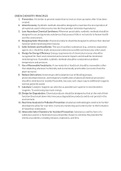
classical conditioning - Answers - A type of learning in which a neutral stimulus comes
to elicit a response after being paired with an unconditional stimulus
operant conditioning - Answers - learning in which voluntary behavior is strengthened or
weakened, depending on its favorable or unfavorable consequences
positive reinforcement - Answers - ADDING something to the environment that
increases the target behavior ( example: adding a food pellet)
negative reinforcement - Answers - REMOVING something from the environment that
increases the target behavior ( example: removing an irritating sound)
positive punishment - Answers - ADDING something to the environment to decrease a
target behavior (example: additional chores in the home)
negative punishment - Answers - REMOVING something from the environment to
decrease the target behavior (example: taking away a teens cell phone)
reinforcement schedule - Answers - a pattern that defines how often a desired response
will be reinforced
Extinction - Answers - Withholding reinforcement from a previous reinforced response
Strengths of REBT - Answers - • Ellis's outcome study compared psychoanalytically-
oriented therapy found REBT considerably more effective that the other approaches
• Efficacy across wide-range of disorders and variety of cultural groups
• Clients treated with cognitive-behavioral therapies tend to be less disturbed and have
improvement of the neurotic symptoms
• More efficacious for more educated and healthier and those who would like to work in
a focused manner, quickly
• Fits wells with managed health: brief and offers specific tools
Weaknesses of REBT - Answers - • Many mistakenly believe that REBT promotes
certain values as a result of words like "irrational" and "rational"
• Religious people and members of cultural groups who adhere to rigid values would
have difficulty with REBT
• Not good for severe mental disorders or long term treatment
Strengths of behavior therapy - Answers - • Founded on strong empirical data
• there is excellent evidence supporting the use of classical and operant conditioning
• behavioral treatments are popular among therapists of many theoretical orientations
• cognitive-behavioral processes tend to be the most used
• measurement of baseline data helps identify growth, change, and success
classical conditioning - Answers - A type of learning in which a neutral stimulus comes
to elicit a response after being paired with an unconditional stimulus
operant conditioning - Answers - learning in which voluntary behavior is strengthened or
weakened, depending on its favorable or unfavorable consequences
positive reinforcement - Answers - ADDING something to the environment that
increases the target behavior ( example: adding a food pellet)
negative reinforcement - Answers - REMOVING something from the environment that
increases the target behavior ( example: removing an irritating sound)
positive punishment - Answers - ADDING something to the environment to decrease a
target behavior (example: additional chores in the home)
negative punishment - Answers - REMOVING something from the environment to
decrease the target behavior (example: taking away a teens cell phone)
reinforcement schedule - Answers - a pattern that defines how often a desired response
will be reinforced
Extinction - Answers - Withholding reinforcement from a previous reinforced response
Strengths of REBT - Answers - • Ellis's outcome study compared psychoanalytically-
oriented therapy found REBT considerably more effective that the other approaches
• Efficacy across wide-range of disorders and variety of cultural groups
• Clients treated with cognitive-behavioral therapies tend to be less disturbed and have
improvement of the neurotic symptoms
• More efficacious for more educated and healthier and those who would like to work in
a focused manner, quickly
• Fits wells with managed health: brief and offers specific tools
Weaknesses of REBT - Answers - • Many mistakenly believe that REBT promotes
certain values as a result of words like "irrational" and "rational"
• Religious people and members of cultural groups who adhere to rigid values would
have difficulty with REBT
• Not good for severe mental disorders or long term treatment
Strengths of behavior therapy - Answers - • Founded on strong empirical data
• there is excellent evidence supporting the use of classical and operant conditioning
• behavioral treatments are popular among therapists of many theoretical orientations
• cognitive-behavioral processes tend to be the most used
• measurement of baseline data helps identify growth, change, and success