

Intravenous Therapy Nursing Procedure
Intravenous Therapy Nursing Procedure focuses on safe vascular access care, infusion accuracy, and
site monitoring. Nurses use this area of practice to identify risk early, guide safe interventions, and
support better patient outcomes through timely reassessment and documentation.
1. Why this topic matters
Intravenous therapy gives direct access to the circulation, so technique and surveillance must be meticulous.
Nurses assess the indication, site condition, device security, prescribed fluid, and patient response throughout
therapy.
In day to day practice, the nurse links bedside findings with the wider clinical picture. A single observation can
be reassuring, but a pattern of change often signals deterioration. For that reason, this topic should always be
approached with attention to baseline status, trend over time, comorbidity, treatment already in progress, and
the patient perspective.
Assessment priorities
Assessment domain What the nurse checks
Site condition Inspect for redness, swelling, pain, warmth, leakage, or hardness.
Patency Check that fluids run as ordered and the line flushes if appropriate.
Prescription Verify fluid type, rate, additives, and compatibility.
Patient response Monitor symptoms, fluid balance, and tolerance of the infusion.
Device security Assess dressing integrity, labeling, and tubing setup.
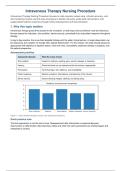
Figure 1. Topic related emphasis across core assessment domains.
Quick practice note
The first assessment is not the end of care. Reassessment after intervention is essential because
improvement or deterioration often becomes visible only when the same parameters are checked again and
interpreted in context.
, Intravenous Therapy Nursing Procedure
2. Assessment approach and interpretation
Site condition
Inspect for redness, swelling, pain, warmth, leakage, or hardness.
When documenting site condition, include the observed value or finding, associated symptoms, and any factor
that might change interpretation such as treatment, activity, anxiety, pain, recent medication, or baseline
variation.
Patency
Check that fluids run as ordered and the line flushes if appropriate.
When documenting patency, include the observed value or finding, associated symptoms, and any factor that
might change interpretation such as treatment, activity, anxiety, pain, recent medication, or baseline variation.
Prescription
Verify fluid type, rate, additives, and compatibility.
When documenting prescription, include the observed value or finding, associated symptoms, and any factor
that might change interpretation such as treatment, activity, anxiety, pain, recent medication, or baseline
variation.
Patient response
Monitor symptoms, fluid balance, and tolerance of the infusion.
When documenting patient response, include the observed value or finding, associated symptoms, and any
factor that might change interpretation such as treatment, activity, anxiety, pain, recent medication, or baseline
variation.
Device security
Assess dressing integrity, labeling, and tubing setup.
When documenting device security, include the observed value or finding, associated symptoms, and any
factor that might change interpretation such as treatment, activity, anxiety, pain, recent medication, or baseline
variation.
Figure 2. A practical nursing workflow for this topic.
Interpretation tip
If assessment findings do not match the overall patient picture, the safest response is usually to repeat the
measurement, inspect contributing factors, and look for linked symptoms before deciding that the value is
normal or abnormal.
Intravenous Therapy Nursing Procedure focuses on safe vascular access care, infusion accuracy, and
site monitoring. Nurses use this area of practice to identify risk early, guide safe interventions, and
support better patient outcomes through timely reassessment and documentation.
1. Why this topic matters
Intravenous therapy gives direct access to the circulation, so technique and surveillance must be meticulous.
Nurses assess the indication, site condition, device security, prescribed fluid, and patient response throughout
therapy.
In day to day practice, the nurse links bedside findings with the wider clinical picture. A single observation can
be reassuring, but a pattern of change often signals deterioration. For that reason, this topic should always be
approached with attention to baseline status, trend over time, comorbidity, treatment already in progress, and
the patient perspective.
Assessment priorities
Assessment domain What the nurse checks
Site condition Inspect for redness, swelling, pain, warmth, leakage, or hardness.
Patency Check that fluids run as ordered and the line flushes if appropriate.
Prescription Verify fluid type, rate, additives, and compatibility.
Patient response Monitor symptoms, fluid balance, and tolerance of the infusion.
Device security Assess dressing integrity, labeling, and tubing setup.
Figure 1. Topic related emphasis across core assessment domains.
Quick practice note
The first assessment is not the end of care. Reassessment after intervention is essential because
improvement or deterioration often becomes visible only when the same parameters are checked again and
interpreted in context.
, Intravenous Therapy Nursing Procedure
2. Assessment approach and interpretation
Site condition
Inspect for redness, swelling, pain, warmth, leakage, or hardness.
When documenting site condition, include the observed value or finding, associated symptoms, and any factor
that might change interpretation such as treatment, activity, anxiety, pain, recent medication, or baseline
variation.
Patency
Check that fluids run as ordered and the line flushes if appropriate.
When documenting patency, include the observed value or finding, associated symptoms, and any factor that
might change interpretation such as treatment, activity, anxiety, pain, recent medication, or baseline variation.
Prescription
Verify fluid type, rate, additives, and compatibility.
When documenting prescription, include the observed value or finding, associated symptoms, and any factor
that might change interpretation such as treatment, activity, anxiety, pain, recent medication, or baseline
variation.
Patient response
Monitor symptoms, fluid balance, and tolerance of the infusion.
When documenting patient response, include the observed value or finding, associated symptoms, and any
factor that might change interpretation such as treatment, activity, anxiety, pain, recent medication, or baseline
variation.
Device security
Assess dressing integrity, labeling, and tubing setup.
When documenting device security, include the observed value or finding, associated symptoms, and any
factor that might change interpretation such as treatment, activity, anxiety, pain, recent medication, or baseline
variation.
Figure 2. A practical nursing workflow for this topic.
Interpretation tip
If assessment findings do not match the overall patient picture, the safest response is usually to repeat the
measurement, inspect contributing factors, and look for linked symptoms before deciding that the value is
normal or abnormal.


