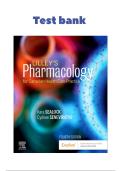
Test bank
, Table of content
Chapter 1. Nursing Practice in Canada and Drug Therapy
Chapter 2. Pharmacological Principles
Chapter 3. Legal and Ethical Considerations
Chapter 4. Patient-Focused Considerations
Chapter 5. Gene Therapy and Pharmacogenomics
Chapter 6. Medication Errors: Preventing and Responding
Chapter 7. Patient Education and Drug Therapy
Chapter 8. Over-the-Counter Drugs and Natural Health Products
Chapter 9. Vitamins and Minerals
Chapter 10. Principles of Drug Administration
Chapter 11. Analgesic Drugs
Chapter 12. General and Local Anaesthetics
Chapter 13. Central Nervous System Depressants and Muscle Relaxants
Chapter 14. Central Nervous System Stimulants and Related Drugs
Chapter 15. Antiepileptic Drugs
Chapter 16. Antiparkinsonian Drugs
Chapter 17. Psychotherapeutic Drugs
Chapter 18. Substance Misuse
Chapter 19. Adrenergic Drugs
Chapter 20. Adrenergic-Blocking Drugs
Chapter 21. Cholinergic Drugs
Chapter 22. Cholinergic-Blocking Drugs
Chapter 23. Antihypertensive Drugs
Chapter 24. Antianginal Drugs
Chapter 25. Heart Failure Drugs
Chapter 26. Antidysrhythmic Drugs
Chapter 27. Coagulation Modifier Drugs
Chapter 28. Antilipemic Drugs
Chapter 29. Diuretic Drugs
Chapter 30. Fluids and Electrolytes
Chapter 31. Pituitary Drugs
Chapter 32. Thyroid and Antithyroid Drugs
Chapter 33. Antidiabetic Drugs
Chapter 34. Adrenal Drugs
Chapter 35. Women’s Health Drugs
Chapter 36. Men’s Health Drugs∗
Chapter 37. Antihistamines, Decongestants, Antitussives, and Expectorants
Chapter 38. Respiratory Drugs
Chapter 39. Acid-Controlling Drugs
Chapter 40. Antidiarrheal Drugs and Laxatives
Chapter 41. Antiemetic and Antinausea Drugs
Chapter 42. Nutritional Supplements
,Chapter 43. Antibiotics Part 1: Sulfonamides, Penicillins, Cephalosporins, Macrolides, and
Tetracyclines
Chapter 44. Antibiotics Part 2: Aminoglycosides, Fluoroquinolones, and Other Drugs
Chapter 45. Antiviral Drugs
Chapter 46. Antitubercular Drugs
Chapter 47. Antifungal Drugs
Chapter 48. Antimalarial, Antiprotozoal, and Anthelmintic Drugs
Chapter 49. Anti-inflammatory and Antigout Drugs
Chapter 50. Immunosuppressant Drugs
Chapter 51. Immunizing Drugs and Pandemic Preparedness
Chapter 52. Antineoplastic Drugs Part 1: Cancer Overview and CellCycle–Specific Drugs
Chapter 53. Antineoplastic Drugs Part 2: Cell Cycle–Nonspecific and Miscellaneous Drugs
Chapter 54. Biological Response–Modifying Drugs and Antirheumatic Drugs
Chapter 55. Anemia Drugs
Chapter 56. Dermatological Drugs
Chapter 57. Ophthalmic Drugs
Chapter 58. Otic Drugs
, Chapter 01: Nursing Practice in Canada and Drug Therapy
Sealock: Lilley’s Pharmacology for Canadian Health Care Practice, 4th Edition
MULTIPLE CHOICE
1. Which is a judgement about a particular patient’s potential need or problem?
a. A goal
b. An assessment
c. Subjective data
d. A nursing diagnosis
ANS: D
Nursing diagnosis is the phase of the nursing process during which a clinical judgement is made about how a patient responds to
heath conditions and life processes or vulnerability for that response.
DIF: Cognitive Level: Knowledge
2. The patient is to receive oral furosemide (Lasix) every day; however, because the patient is unable to swallow, he cannot take
medication orally, as ordered. The nurse needs to contact the physician. What type of problem is this?
a. A “right time” problem
b. A “right dose” problem
c. A “right route” problem
d. A “right medication” problem
ANS: C
This is a “right route” problem: the nurse cannot assume the route and must clarify the route with the prescriber. This is not a “right
time” problem because the ordered frequency has not changed. This is not a “right dose” problem because the dose is not related to
an inability to swallow. This is not a “right medication” problem because the medication ordered will not change, just the route.
DIF: Cognitive Level: Application
3. The nurse has been monitoring the patient’s progress on his new drug regimen since the first dose and has been documenting signs
of possible adverse effects. What nursing process phase is the nurse practising?
a. Planning
b. Evaluation
c. Implementation
d. Nursing diagnosis
ANS: B
Monitoring the patient’s progress is part of the evaluation phase. Planning, implementation, and nursing diagnosis are not
illustrated by this example.
DIF: Cognitive Level: Application
4. The nurse is caring for a patient who has been newly diagnosed with type 1 diabetes mellitus. Which statement best illustrates an
outcome criterion for this patient?
a. The patient will follow instructions.
b. The patient will not experience complications.
c. The patient adheres to the new insulin treatment regimen.
d. The patient demonstrates safe insulin self-administration technique.
ANS: D
Having the patient demonstrate safe insulin self-administration technique is a specific and measurable outcome criterion. Following
instructions and avoiding complications are not specific criteria. Adherence to the new insulin treatment regimen is not objective
and would be difficult to measure.
DIF: Cognitive Level: Application
5. Which activity best reflects the implementation phase of the nursing process for the patient who is newly diagnosed with type 1
diabetes mellitus?
a. Providing education regarding self-injection technique
b. Setting goals and outcome criteria with the patient’s input
c. Recording a history of over-the-counter medications used at home
d. Formulating nursing diagnoses regarding knowledge deficits related to the new
treatment regimen
ANS: A
Education is an intervention that occurs during the implementation phase. Setting goals and outcome criteria reflects the planning
phase. Recording a drug history reflects the assessment phase. Formulating nursing diagnoses regarding a knowledge deficit
reflects analysis of data as part of the planning phase.
DIF: Cognitive Level: Analysis
Copyright © 2021, Elsevier Inc. All rights reserved. 1
, Table of content
Chapter 1. Nursing Practice in Canada and Drug Therapy
Chapter 2. Pharmacological Principles
Chapter 3. Legal and Ethical Considerations
Chapter 4. Patient-Focused Considerations
Chapter 5. Gene Therapy and Pharmacogenomics
Chapter 6. Medication Errors: Preventing and Responding
Chapter 7. Patient Education and Drug Therapy
Chapter 8. Over-the-Counter Drugs and Natural Health Products
Chapter 9. Vitamins and Minerals
Chapter 10. Principles of Drug Administration
Chapter 11. Analgesic Drugs
Chapter 12. General and Local Anaesthetics
Chapter 13. Central Nervous System Depressants and Muscle Relaxants
Chapter 14. Central Nervous System Stimulants and Related Drugs
Chapter 15. Antiepileptic Drugs
Chapter 16. Antiparkinsonian Drugs
Chapter 17. Psychotherapeutic Drugs
Chapter 18. Substance Misuse
Chapter 19. Adrenergic Drugs
Chapter 20. Adrenergic-Blocking Drugs
Chapter 21. Cholinergic Drugs
Chapter 22. Cholinergic-Blocking Drugs
Chapter 23. Antihypertensive Drugs
Chapter 24. Antianginal Drugs
Chapter 25. Heart Failure Drugs
Chapter 26. Antidysrhythmic Drugs
Chapter 27. Coagulation Modifier Drugs
Chapter 28. Antilipemic Drugs
Chapter 29. Diuretic Drugs
Chapter 30. Fluids and Electrolytes
Chapter 31. Pituitary Drugs
Chapter 32. Thyroid and Antithyroid Drugs
Chapter 33. Antidiabetic Drugs
Chapter 34. Adrenal Drugs
Chapter 35. Women’s Health Drugs
Chapter 36. Men’s Health Drugs∗
Chapter 37. Antihistamines, Decongestants, Antitussives, and Expectorants
Chapter 38. Respiratory Drugs
Chapter 39. Acid-Controlling Drugs
Chapter 40. Antidiarrheal Drugs and Laxatives
Chapter 41. Antiemetic and Antinausea Drugs
Chapter 42. Nutritional Supplements
,Chapter 43. Antibiotics Part 1: Sulfonamides, Penicillins, Cephalosporins, Macrolides, and
Tetracyclines
Chapter 44. Antibiotics Part 2: Aminoglycosides, Fluoroquinolones, and Other Drugs
Chapter 45. Antiviral Drugs
Chapter 46. Antitubercular Drugs
Chapter 47. Antifungal Drugs
Chapter 48. Antimalarial, Antiprotozoal, and Anthelmintic Drugs
Chapter 49. Anti-inflammatory and Antigout Drugs
Chapter 50. Immunosuppressant Drugs
Chapter 51. Immunizing Drugs and Pandemic Preparedness
Chapter 52. Antineoplastic Drugs Part 1: Cancer Overview and CellCycle–Specific Drugs
Chapter 53. Antineoplastic Drugs Part 2: Cell Cycle–Nonspecific and Miscellaneous Drugs
Chapter 54. Biological Response–Modifying Drugs and Antirheumatic Drugs
Chapter 55. Anemia Drugs
Chapter 56. Dermatological Drugs
Chapter 57. Ophthalmic Drugs
Chapter 58. Otic Drugs
, Chapter 01: Nursing Practice in Canada and Drug Therapy
Sealock: Lilley’s Pharmacology for Canadian Health Care Practice, 4th Edition
MULTIPLE CHOICE
1. Which is a judgement about a particular patient’s potential need or problem?
a. A goal
b. An assessment
c. Subjective data
d. A nursing diagnosis
ANS: D
Nursing diagnosis is the phase of the nursing process during which a clinical judgement is made about how a patient responds to
heath conditions and life processes or vulnerability for that response.
DIF: Cognitive Level: Knowledge
2. The patient is to receive oral furosemide (Lasix) every day; however, because the patient is unable to swallow, he cannot take
medication orally, as ordered. The nurse needs to contact the physician. What type of problem is this?
a. A “right time” problem
b. A “right dose” problem
c. A “right route” problem
d. A “right medication” problem
ANS: C
This is a “right route” problem: the nurse cannot assume the route and must clarify the route with the prescriber. This is not a “right
time” problem because the ordered frequency has not changed. This is not a “right dose” problem because the dose is not related to
an inability to swallow. This is not a “right medication” problem because the medication ordered will not change, just the route.
DIF: Cognitive Level: Application
3. The nurse has been monitoring the patient’s progress on his new drug regimen since the first dose and has been documenting signs
of possible adverse effects. What nursing process phase is the nurse practising?
a. Planning
b. Evaluation
c. Implementation
d. Nursing diagnosis
ANS: B
Monitoring the patient’s progress is part of the evaluation phase. Planning, implementation, and nursing diagnosis are not
illustrated by this example.
DIF: Cognitive Level: Application
4. The nurse is caring for a patient who has been newly diagnosed with type 1 diabetes mellitus. Which statement best illustrates an
outcome criterion for this patient?
a. The patient will follow instructions.
b. The patient will not experience complications.
c. The patient adheres to the new insulin treatment regimen.
d. The patient demonstrates safe insulin self-administration technique.
ANS: D
Having the patient demonstrate safe insulin self-administration technique is a specific and measurable outcome criterion. Following
instructions and avoiding complications are not specific criteria. Adherence to the new insulin treatment regimen is not objective
and would be difficult to measure.
DIF: Cognitive Level: Application
5. Which activity best reflects the implementation phase of the nursing process for the patient who is newly diagnosed with type 1
diabetes mellitus?
a. Providing education regarding self-injection technique
b. Setting goals and outcome criteria with the patient’s input
c. Recording a history of over-the-counter medications used at home
d. Formulating nursing diagnoses regarding knowledge deficits related to the new
treatment regimen
ANS: A
Education is an intervention that occurs during the implementation phase. Setting goals and outcome criteria reflects the planning
phase. Recording a drug history reflects the assessment phase. Formulating nursing diagnoses regarding a knowledge deficit
reflects analysis of data as part of the planning phase.
DIF: Cognitive Level: Analysis
Copyright © 2021, Elsevier Inc. All rights reserved. 1