
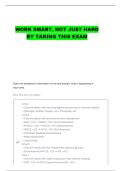
Draw the breakpoint chlorination curve and explain what is happening in
each area.
Give this one a try later!
Area 1
- Chlorine reacts with reducing agents producing no chlorine residual
- Hydrogen Sulfide, Copper, Iron, Phosphate, etc.
Area 2
- Chlorine reacts with ammonia to form chloramines
- NH3 + Cl2 ➞ NH2Cl + HCl (monochloramine)
- NH2Cl2 + Cl2 ➞ NHCl2 + HCl (dichloramine)
- NHCl2 + Cl2 ➞ NCl3 + HCl (trichloramine)
- Combined Residual (Chloramines)
- Weak disinfectants
- Long lasting
Area 3
- Chlorine reacts with the chloramines, destroying them
- (trichloramine) NHCl3 + Cl2 ➞ N2 + HCl
Area 4
- Chlorine reacts with water to produce free chlorine residual
- H2O + Cl2 ➞ HOCl (hypochlorous acid) + OCl-
, (hypochlorite ion) + HCl
- Works better with a lower pH
- Free Chlorine residual
- Strong
- Short lived (very reactive)
You are the lead operator of a 2 MGD activated sludge wastewater plant.
Your new permit mandates that you nitrify the ammonia coming into your
plant so that the receiving water may be habitable for fish. Currently, you
do not nitrify at all. Your aeration basin uses diffusers which are ran by
blowers operating on COGEN (methane) when gas is available, and use
electricity when it is not available. Electricity costs are a major concern for
this treatment plant. Answer the following questions.
(a) Define nitrification (2 pts)
(b) What process changes will be needed to nitrify the ammonia? (6 pts)
(c) What changes in digester gas production will need to happen? (2 pts)
Give this one a try later!
(a) Nitrification is the oxidation of ammonia to nitrite and nitrate.
(1) NH3 + O2 ➞ NO2
(2) NO2 + O2 ➞ NO3
(b) The MCRT will need to be increased to roughly 8-10 days or greater.
Nitrifying organisms are slow growers and need longer MCRTʼs to grow
and
produce in the aeration basin. Air production will need to roughly double. It
takes roughly 5 parts of oxygen to nitrify 1 part of ammonia. If electrical
concerns are too high, the plant could consider using breakpoint
chlorination
to nitrify the ammonia (briefly explain breakpoint chlorination).
(c) Digester gas production will need to be increased if the plant wants to
operate
the blowers on COGEN instead of relying on electricity (a major concern).
To
create more gas, more volatile matter will need to be destroyed in the
digester.
each area.
Give this one a try later!
Area 1
- Chlorine reacts with reducing agents producing no chlorine residual
- Hydrogen Sulfide, Copper, Iron, Phosphate, etc.
Area 2
- Chlorine reacts with ammonia to form chloramines
- NH3 + Cl2 ➞ NH2Cl + HCl (monochloramine)
- NH2Cl2 + Cl2 ➞ NHCl2 + HCl (dichloramine)
- NHCl2 + Cl2 ➞ NCl3 + HCl (trichloramine)
- Combined Residual (Chloramines)
- Weak disinfectants
- Long lasting
Area 3
- Chlorine reacts with the chloramines, destroying them
- (trichloramine) NHCl3 + Cl2 ➞ N2 + HCl
Area 4
- Chlorine reacts with water to produce free chlorine residual
- H2O + Cl2 ➞ HOCl (hypochlorous acid) + OCl-
, (hypochlorite ion) + HCl
- Works better with a lower pH
- Free Chlorine residual
- Strong
- Short lived (very reactive)
You are the lead operator of a 2 MGD activated sludge wastewater plant.
Your new permit mandates that you nitrify the ammonia coming into your
plant so that the receiving water may be habitable for fish. Currently, you
do not nitrify at all. Your aeration basin uses diffusers which are ran by
blowers operating on COGEN (methane) when gas is available, and use
electricity when it is not available. Electricity costs are a major concern for
this treatment plant. Answer the following questions.
(a) Define nitrification (2 pts)
(b) What process changes will be needed to nitrify the ammonia? (6 pts)
(c) What changes in digester gas production will need to happen? (2 pts)
Give this one a try later!
(a) Nitrification is the oxidation of ammonia to nitrite and nitrate.
(1) NH3 + O2 ➞ NO2
(2) NO2 + O2 ➞ NO3
(b) The MCRT will need to be increased to roughly 8-10 days or greater.
Nitrifying organisms are slow growers and need longer MCRTʼs to grow
and
produce in the aeration basin. Air production will need to roughly double. It
takes roughly 5 parts of oxygen to nitrify 1 part of ammonia. If electrical
concerns are too high, the plant could consider using breakpoint
chlorination
to nitrify the ammonia (briefly explain breakpoint chlorination).
(c) Digester gas production will need to be increased if the plant wants to
operate
the blowers on COGEN instead of relying on electricity (a major concern).
To
create more gas, more volatile matter will need to be destroyed in the
digester.


