

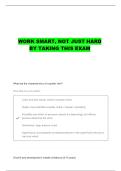
What are the characteristics of a spider vein?
Give this one a try later!
Color and size: bluish, small to several inches
Shape: may resemble a spider, linear, irregular, cascading
Pulsatility and effect of pressure: absent (no blanching), but diffuse
pressure blanches the veins
Distribution: legs, anterior chest
Significance: accompanies increased pressure in the superficial veins (as in
varicose veins)
Growth and development: middle childhood (5-10 years)
,Give this one a try later!
- Concrete operational: limited logic and more complex learning, clear
sense of wrong/right
- Remains rooted in the present with little ability to understand
consequences
- Self-efficacy, more independent
What is the pathogen, symptoms, and complications associated with tetanus?
Give this one a try later!
Pathogen: bacteria
Symptoms: trismus (lockjaw), neck stiffness, difficulty swallowing, rigidity of
abdominal muscles, fever, sweating, high BP, rapid HR, spasms for 3-4
weeks
Complications: laryngospasm, HTN, PE, fractures
If a live vaccine is given first, wait ____ weeks to give the antibody
Give this one a try later!
Two
Where would you assess an infant's skin for cyanosis? What would you consider on
the DDx for an infant with cyanosis?
Give this one a try later!
, Extremities, body, tongue and/or oral mucosa (for central cyanosis)
Acrocyanosis, central cyanosis (sign of CHD), harlequin dyschromia (one
half of body, temporary vascular instability)
What are some questions that you might ask when taking a mental health history?
Give this one a try later!
Ask open-ended questions initially ("Have you ever had any problem with
emotional or mental illnesses?") then move to more specific questions
Have you ever taken medication for a mental health condition? Have you
ever been hospitalized for an emotional or mental health problem? What
about members of your family?
What is the pathogen, symptoms, and complications associated with polio?
Give this one a try later!
Pathogen: viral
Symptoms: usually asymptomatic, non-paralytic aseptic meningitis (stiffness
of neck, back, legs), flaccid paralysis, no CNS invasion
Complications: paralytic polio
What types of skin findings might you expect in an individual with the following
systemic disorders: hypothyroidism?
, Give this one a try later!
Dry, rough, pale skin, course brittle hair, myxedema, alopecia (lateral third
of eyebrows), skin cool to touch, thin and brittle nails
What is the difference between active and passive immunity?
Give this one a try later!
Passive: a person is given antibodies to a disease rather than producing
them through his or her own immune system (e.g. mother to baby,
immediate action but lasts for a couple weeks
Active: exposure to a disease organism triggers the immune system to
produce antibodies to that disease (e.g. infection with actual disease or
vaccine), takes time to develop but is long lasting
What is the routine recommended schedule for rotavirus?
Give this one a try later!
Rotarix: 2 dose series --> 2 and 4 months
RotaTeq: 3 dose series --> 2, 4, 6 months
Maximum age for first dose: 14 weeks 6 days
What are the various gross motor, fine motor, and communication milestones that are
important to identify in the infant patient?
Give this one a try later!
Give this one a try later!
Color and size: bluish, small to several inches
Shape: may resemble a spider, linear, irregular, cascading
Pulsatility and effect of pressure: absent (no blanching), but diffuse
pressure blanches the veins
Distribution: legs, anterior chest
Significance: accompanies increased pressure in the superficial veins (as in
varicose veins)
Growth and development: middle childhood (5-10 years)
,Give this one a try later!
- Concrete operational: limited logic and more complex learning, clear
sense of wrong/right
- Remains rooted in the present with little ability to understand
consequences
- Self-efficacy, more independent
What is the pathogen, symptoms, and complications associated with tetanus?
Give this one a try later!
Pathogen: bacteria
Symptoms: trismus (lockjaw), neck stiffness, difficulty swallowing, rigidity of
abdominal muscles, fever, sweating, high BP, rapid HR, spasms for 3-4
weeks
Complications: laryngospasm, HTN, PE, fractures
If a live vaccine is given first, wait ____ weeks to give the antibody
Give this one a try later!
Two
Where would you assess an infant's skin for cyanosis? What would you consider on
the DDx for an infant with cyanosis?
Give this one a try later!
, Extremities, body, tongue and/or oral mucosa (for central cyanosis)
Acrocyanosis, central cyanosis (sign of CHD), harlequin dyschromia (one
half of body, temporary vascular instability)
What are some questions that you might ask when taking a mental health history?
Give this one a try later!
Ask open-ended questions initially ("Have you ever had any problem with
emotional or mental illnesses?") then move to more specific questions
Have you ever taken medication for a mental health condition? Have you
ever been hospitalized for an emotional or mental health problem? What
about members of your family?
What is the pathogen, symptoms, and complications associated with polio?
Give this one a try later!
Pathogen: viral
Symptoms: usually asymptomatic, non-paralytic aseptic meningitis (stiffness
of neck, back, legs), flaccid paralysis, no CNS invasion
Complications: paralytic polio
What types of skin findings might you expect in an individual with the following
systemic disorders: hypothyroidism?
, Give this one a try later!
Dry, rough, pale skin, course brittle hair, myxedema, alopecia (lateral third
of eyebrows), skin cool to touch, thin and brittle nails
What is the difference between active and passive immunity?
Give this one a try later!
Passive: a person is given antibodies to a disease rather than producing
them through his or her own immune system (e.g. mother to baby,
immediate action but lasts for a couple weeks
Active: exposure to a disease organism triggers the immune system to
produce antibodies to that disease (e.g. infection with actual disease or
vaccine), takes time to develop but is long lasting
What is the routine recommended schedule for rotavirus?
Give this one a try later!
Rotarix: 2 dose series --> 2 and 4 months
RotaTeq: 3 dose series --> 2, 4, 6 months
Maximum age for first dose: 14 weeks 6 days
What are the various gross motor, fine motor, and communication milestones that are
important to identify in the infant patient?
Give this one a try later!


