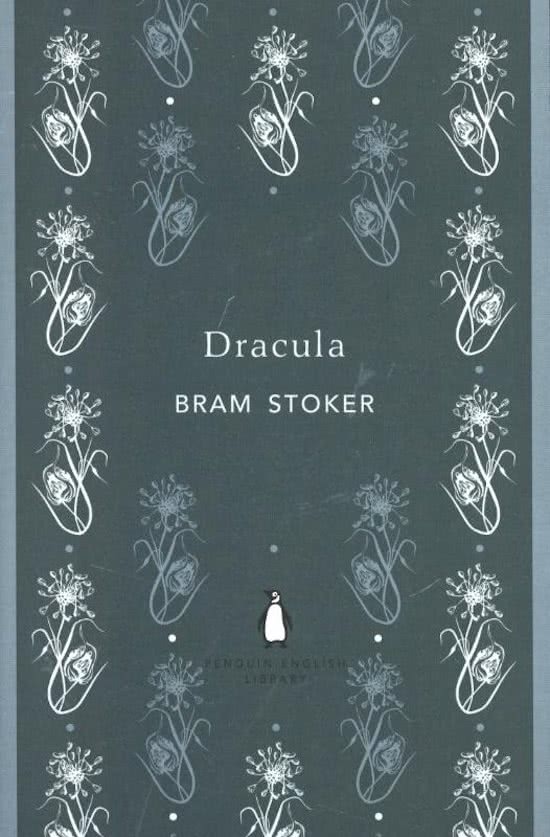
Feminism and Dracula
Novels often reflect the values of the era in which they are written, and, depending on how the
reader is interpreting the novel, these values may have a great impact on the themes of the novel. A
feminist reading of Bram Stoker’s Dracula is a perfect example of this. Dracula was written in the
1890’s, and takes place during the same period: the Victorian era, a period in which women were very
much sexually repressed. If a woman were to go against these social rules and be open with her sexuality,
this would be considered a great affront to the strict rules of the male-dominated society, and such a
woman would be viewed as depraved and dangerous. If one reads Dracula using the analytical method of
feminism, one can see this idea perfectly played out. In Dracula, all females are portrayed as either being
pure, virtuous, and proper ladies, or as evil, debauched, and sexually dangerous monsters, and in one
instance, we see the vastly negative events that result when one character, Lucy, transforms from the
former to the latter. The portrayal of female characters in Dracula, especially that of Lucy, shows how
Victorian era values regarding the oppression of women’s sexuality have affected the novel, thus greatly
contributing to the portrayal of sexual open woman in the novel as evil and dangerous, due to their
violation of the traditional female gender roles.
One of the females who features prominently in the novel is Mina, who is very much the “proper”
Victorian lady. She possesses the attributes of behavior that a Victorian era woman would be expected to
posses. In her chapter on feminism included in her book, Critical Theory Today, Lois Tyson includes a
short section which focuses on Victorian females. She writes that the Victorian “good girl” must be
“modest, unassuming, self-sacrificing, and nurturing. She… is completely satisfied by serving her
family… she frequently worries about those in her care” (Tyson 90). Throughout the novel, Mina shows
that she does indeed posses all of these attributes, two in particular which are especially demonstrated in
the novel. The first of these is the trait of working only to serve her family. Mina is soon going to wed her
finance, Jonathan, and is very preoccupied with being useful to her husband, once they are married. In a
letter to her friend Lucy, Mina writes, “I have been working very hard lately, because I want to keep up
with Jonathan’s studies… when we are married I shall be able to be useful to Jonathan” (Stoker 62). Mina
, does not give any reason for her working so hard, other than that she wants to be able to help Jonathan
with his work.
The second quality Mina shows so well is her concern with others. The best example of this is
when her friend Lucy begins sleeping very uneasily, and even sleepwalks in some cases. Mina writes in
her diary that, on one night when Lucy sleepwalked, Mina “sat up, with a horrible sense of fear upon
me… I could not see Lucy’s bed; I stole across and felt for her. The bed was empty… I got ready to go
look for her” (Stoker 104). Mina instinctively seems to know that her friend is in danger, awakens, and
goes out to look for her. Mina finds Lucy in Dracula’s clutches, but the Count flees the scene when Mina
approaches. She wraps Lucy in a shawl and takes her back into the house, fearing that she will catch a
cold. By this, one can see that Mina clearly has a caring and compassionate nature, which seems to be a
desired trait among Victorian females. These are only two examples that show how well Mina fits the
criteria for a proper Victorian lady, and throughout the novel, she is depicted as such.
In sharp contrast to Mina, there are three women- or rather, demons- whom Jonathan meets while
staying in Dracula’s castle, who are referred to as the “Weird Sister”, by many characters in the novel, a
name which describes them perfectly, for the word “weird” is often defined as involving what is
supernatural. In the novel, these sisters are literally vampires, and are therefore supernatural beings, but
they also drastically violate the traditional role of women in society, and therefore could be seen to be
weird in that way: they are abnormal, or even sexually dangerous. Tyson writes that, in the Victorian era,
The ‘good girl’ had to remain uninterested in sexual activity… because it was
believed unnatural for women to have sexual desire” and that “‘bad girls’ violate
patriarchal sexual norms in some ways: they’re sexually forward in appearance
or behavior (Tyson 90).
The Weird Sisters would therefore be classified as “bad girls”, for they are very aware of their sexuality,
and are sexually forward towards Jonathan. The passage of Stoker’s novel that describes their interactions
with Jonathan comes off as very sexual, drawing an analogy between the act of sex, and the act of the
vampires feeding on Jonathan. Jonathan writes in his journal about the event, saying “All three had
Novels often reflect the values of the era in which they are written, and, depending on how the
reader is interpreting the novel, these values may have a great impact on the themes of the novel. A
feminist reading of Bram Stoker’s Dracula is a perfect example of this. Dracula was written in the
1890’s, and takes place during the same period: the Victorian era, a period in which women were very
much sexually repressed. If a woman were to go against these social rules and be open with her sexuality,
this would be considered a great affront to the strict rules of the male-dominated society, and such a
woman would be viewed as depraved and dangerous. If one reads Dracula using the analytical method of
feminism, one can see this idea perfectly played out. In Dracula, all females are portrayed as either being
pure, virtuous, and proper ladies, or as evil, debauched, and sexually dangerous monsters, and in one
instance, we see the vastly negative events that result when one character, Lucy, transforms from the
former to the latter. The portrayal of female characters in Dracula, especially that of Lucy, shows how
Victorian era values regarding the oppression of women’s sexuality have affected the novel, thus greatly
contributing to the portrayal of sexual open woman in the novel as evil and dangerous, due to their
violation of the traditional female gender roles.
One of the females who features prominently in the novel is Mina, who is very much the “proper”
Victorian lady. She possesses the attributes of behavior that a Victorian era woman would be expected to
posses. In her chapter on feminism included in her book, Critical Theory Today, Lois Tyson includes a
short section which focuses on Victorian females. She writes that the Victorian “good girl” must be
“modest, unassuming, self-sacrificing, and nurturing. She… is completely satisfied by serving her
family… she frequently worries about those in her care” (Tyson 90). Throughout the novel, Mina shows
that she does indeed posses all of these attributes, two in particular which are especially demonstrated in
the novel. The first of these is the trait of working only to serve her family. Mina is soon going to wed her
finance, Jonathan, and is very preoccupied with being useful to her husband, once they are married. In a
letter to her friend Lucy, Mina writes, “I have been working very hard lately, because I want to keep up
with Jonathan’s studies… when we are married I shall be able to be useful to Jonathan” (Stoker 62). Mina
, does not give any reason for her working so hard, other than that she wants to be able to help Jonathan
with his work.
The second quality Mina shows so well is her concern with others. The best example of this is
when her friend Lucy begins sleeping very uneasily, and even sleepwalks in some cases. Mina writes in
her diary that, on one night when Lucy sleepwalked, Mina “sat up, with a horrible sense of fear upon
me… I could not see Lucy’s bed; I stole across and felt for her. The bed was empty… I got ready to go
look for her” (Stoker 104). Mina instinctively seems to know that her friend is in danger, awakens, and
goes out to look for her. Mina finds Lucy in Dracula’s clutches, but the Count flees the scene when Mina
approaches. She wraps Lucy in a shawl and takes her back into the house, fearing that she will catch a
cold. By this, one can see that Mina clearly has a caring and compassionate nature, which seems to be a
desired trait among Victorian females. These are only two examples that show how well Mina fits the
criteria for a proper Victorian lady, and throughout the novel, she is depicted as such.
In sharp contrast to Mina, there are three women- or rather, demons- whom Jonathan meets while
staying in Dracula’s castle, who are referred to as the “Weird Sister”, by many characters in the novel, a
name which describes them perfectly, for the word “weird” is often defined as involving what is
supernatural. In the novel, these sisters are literally vampires, and are therefore supernatural beings, but
they also drastically violate the traditional role of women in society, and therefore could be seen to be
weird in that way: they are abnormal, or even sexually dangerous. Tyson writes that, in the Victorian era,
The ‘good girl’ had to remain uninterested in sexual activity… because it was
believed unnatural for women to have sexual desire” and that “‘bad girls’ violate
patriarchal sexual norms in some ways: they’re sexually forward in appearance
or behavior (Tyson 90).
The Weird Sisters would therefore be classified as “bad girls”, for they are very aware of their sexuality,
and are sexually forward towards Jonathan. The passage of Stoker’s novel that describes their interactions
with Jonathan comes off as very sexual, drawing an analogy between the act of sex, and the act of the
vampires feeding on Jonathan. Jonathan writes in his journal about the event, saying “All three had