TEST BANK
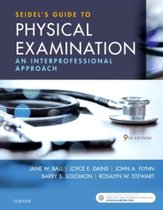
SEIDEL'S GUIDE TO PHYSICAL EXAMINATION 9TH EDITION BY JANE W. BALL
|JOYCE E.DAINS (AUTHOR)LATEST UPDATE.(ALL CHAPTERS COVERED 1-26)
,Table of Contents
Chapter 01: The History And Interviewing Process .......................................................3
Chapter 02: Cultural Competency .............................................................................15
Chapter 03: Examination Techniques And Equipment ...............................................26
Chapter 04: Clinical Reasoning ..................................................................................41
Chapter 05: Documentation....................................................................................... 49
Chapter 06: Vital Signs And Pain Assessment ........................................................... 60
Chapter 07: Mental Status ......................................................................................... 66
Chapter 08: Growth, Measurement, And Nutrition.....................................................80
Chapter 09: Skin, Hair, And Nails ............................................................................ 100
Chapter 10: Lymphatic System ................................................................................ 125
Chapter 11: Head And Neck ..................................................................................... 135
Chapter 12: Eyes ..................................................................................................... 145
Chapter 13: Ears, Nose, And Throat ........................................................................ 158
Chapter 14: Chest And Lungs .................................................................................. 169
Chapter 15: Heart .................................................................................................... 177
Chapter 16: Blood Vessels ....................................................................................... 187
Chapter 17: Breasts And Axillae .............................................................................. 198
Chapter 18: Abdomen .............................................................................................. 207
Chapter 19: Female Genitalia .................................................................................. 218
Chapter 20: Male Genitalia ...................................................................................... 232
Chapter 21: Anus, Rectum, And Prostate................................................................. 246
Chapter 22: Musculoskeletal System ....................................................................... 258
Chapter 23: Neurologic System ................................................................................ 274
Chapter 24: Sports Participation Evaluation ............................................................ 296
Chapter 25: Putting It All Together .......................................................................... 302
Chapter 26: Emergency Or Life-Threatening Situations ........................................... 325
,Chapter 01: The History And Interviewing Process
Ball: Seidel’s Guide To Physical Examination, 9th Edition
MULTIPLE CHOICE
1.Which Question Would Be Considered A “Leading Question?”
A. “What Do You Think Is Causing Your Headaches?”
B. “You Don’t Get Headaches Often, Do You?”
C. “On A Scale Of 1 To 10, How Would You Rate The Severity Of Your Headaches?”
D. “At What Time Of The Day Are Your Headaches The Most Severe?”
CORRECT ANSWER:B
Stating To The PATIENT That He Or She Does Not Get Headaches Would Limit
The Information In The PATIENT’s Answer. Asking The PATIENT What He Or
She Thinks Is Causing The Headaches Is An Open-Ended Question. Asking The
PATIENT How He Or She Would Rate The Severity Of The Headaches And Asking
What Time Of The Day The Headaches Are The Most Severe Are Direct
Questions.
DIF: Cognitive Level: Applying (Application)
OBJ: Nursing Process—Assessment
MSC: Physiologic Integrity: Physiologic Adaptation
2.When Are Open-Ended Questions Generally Most Useful?
A. During Sensitive Area Part Of The Interview
B. After Several Closed-Ended Questions Have Been Asked
C. While Designing The Genogram
D. During The Review Of Systems
B.C M
CORRECT ANSWER:A
, USNT O
Asking Open-Ended Questions During The Sensitive Part Of The Interview
Allows You To Gather More Information And Establishes You As An Empathic
Listener, Which Is The First Step Of Effective Communication. Asking Closed-
Ended Questions May Stifle The PATIENT’s Desire To Discuss The History Of
The Illness. Interviewing For The Purpose Of Designing A Genogram Or
Conducting A Review Of Systems Requires More Focused Data Than Can Be More
Easily Gathered With Direct Questioning.
DIF: Cognitive Level: Understanding (Comprehension)
OBJ: Nursing Process—Assessment
MSC: Physiologic Integrity: Physiologic Adaptation
3.Periods Of Silence During The Interview Can Serve Important Purposes, Such As:
A. Allowing The Clinician To Catch Up On Documentation.
B. Promoting Calm.
C. Providing Time For Reflection.
D. Increasing The Length Of The Visit.
CORRECT ANSWER:C
Silence Is A Useful Tool During Interviews For The Purposes Of Reflection,
Summoning Courage, And Displaying Compassion. This Is Not A Time To
Document In The Chart, But Rather To Focus On The PATIENT. Periods Of
Silence May Cause Anxiety Rather Than Promote Calm. The Length Of The Visit
Is Less Important Than Getting Critical Information.
DIF: Cognitive Level: Understanding (Comprehension)
OBJ: Nursing Process—Assessment
MSC: Physiologic Integrity: Physiologic Adaptation
4.Mr. Franklin Is Speaking With You, The Healthcare Provider, About His Respiratory
Problem. Mr. Franklin Says, “I’ve Had This Cough For 3 Days, And It’s Getting Worse.”
You Reply, “Tell Me More About Your Cough.” Mr. Franklin States, “I Wish I Could Tell
You More. That’s Why I’m Here. You Tell Me What’s Wrong!” Which Caregiver
Response Would Be Most Appropriate For Enhancing Communication?
A. “After 3 Days, You’re Tired Of Coughing. Have You Had A Fever?”
B. “I’d Like To Hear More About Your Experiences. Where Were You Born?”
SEIDEL'S GUIDE TO PHYSICAL EXAMINATION 9TH EDITION BY JANE W. BALL
|JOYCE E.DAINS (AUTHOR)LATEST UPDATE.(ALL CHAPTERS COVERED 1-26)
,Table of Contents
Chapter 01: The History And Interviewing Process .......................................................3
Chapter 02: Cultural Competency .............................................................................15
Chapter 03: Examination Techniques And Equipment ...............................................26
Chapter 04: Clinical Reasoning ..................................................................................41
Chapter 05: Documentation....................................................................................... 49
Chapter 06: Vital Signs And Pain Assessment ........................................................... 60
Chapter 07: Mental Status ......................................................................................... 66
Chapter 08: Growth, Measurement, And Nutrition.....................................................80
Chapter 09: Skin, Hair, And Nails ............................................................................ 100
Chapter 10: Lymphatic System ................................................................................ 125
Chapter 11: Head And Neck ..................................................................................... 135
Chapter 12: Eyes ..................................................................................................... 145
Chapter 13: Ears, Nose, And Throat ........................................................................ 158
Chapter 14: Chest And Lungs .................................................................................. 169
Chapter 15: Heart .................................................................................................... 177
Chapter 16: Blood Vessels ....................................................................................... 187
Chapter 17: Breasts And Axillae .............................................................................. 198
Chapter 18: Abdomen .............................................................................................. 207
Chapter 19: Female Genitalia .................................................................................. 218
Chapter 20: Male Genitalia ...................................................................................... 232
Chapter 21: Anus, Rectum, And Prostate................................................................. 246
Chapter 22: Musculoskeletal System ....................................................................... 258
Chapter 23: Neurologic System ................................................................................ 274
Chapter 24: Sports Participation Evaluation ............................................................ 296
Chapter 25: Putting It All Together .......................................................................... 302
Chapter 26: Emergency Or Life-Threatening Situations ........................................... 325
,Chapter 01: The History And Interviewing Process
Ball: Seidel’s Guide To Physical Examination, 9th Edition
MULTIPLE CHOICE
1.Which Question Would Be Considered A “Leading Question?”
A. “What Do You Think Is Causing Your Headaches?”
B. “You Don’t Get Headaches Often, Do You?”
C. “On A Scale Of 1 To 10, How Would You Rate The Severity Of Your Headaches?”
D. “At What Time Of The Day Are Your Headaches The Most Severe?”
CORRECT ANSWER:B
Stating To The PATIENT That He Or She Does Not Get Headaches Would Limit
The Information In The PATIENT’s Answer. Asking The PATIENT What He Or
She Thinks Is Causing The Headaches Is An Open-Ended Question. Asking The
PATIENT How He Or She Would Rate The Severity Of The Headaches And Asking
What Time Of The Day The Headaches Are The Most Severe Are Direct
Questions.
DIF: Cognitive Level: Applying (Application)
OBJ: Nursing Process—Assessment
MSC: Physiologic Integrity: Physiologic Adaptation
2.When Are Open-Ended Questions Generally Most Useful?
A. During Sensitive Area Part Of The Interview
B. After Several Closed-Ended Questions Have Been Asked
C. While Designing The Genogram
D. During The Review Of Systems
B.C M
CORRECT ANSWER:A
, USNT O
Asking Open-Ended Questions During The Sensitive Part Of The Interview
Allows You To Gather More Information And Establishes You As An Empathic
Listener, Which Is The First Step Of Effective Communication. Asking Closed-
Ended Questions May Stifle The PATIENT’s Desire To Discuss The History Of
The Illness. Interviewing For The Purpose Of Designing A Genogram Or
Conducting A Review Of Systems Requires More Focused Data Than Can Be More
Easily Gathered With Direct Questioning.
DIF: Cognitive Level: Understanding (Comprehension)
OBJ: Nursing Process—Assessment
MSC: Physiologic Integrity: Physiologic Adaptation
3.Periods Of Silence During The Interview Can Serve Important Purposes, Such As:
A. Allowing The Clinician To Catch Up On Documentation.
B. Promoting Calm.
C. Providing Time For Reflection.
D. Increasing The Length Of The Visit.
CORRECT ANSWER:C
Silence Is A Useful Tool During Interviews For The Purposes Of Reflection,
Summoning Courage, And Displaying Compassion. This Is Not A Time To
Document In The Chart, But Rather To Focus On The PATIENT. Periods Of
Silence May Cause Anxiety Rather Than Promote Calm. The Length Of The Visit
Is Less Important Than Getting Critical Information.
DIF: Cognitive Level: Understanding (Comprehension)
OBJ: Nursing Process—Assessment
MSC: Physiologic Integrity: Physiologic Adaptation
4.Mr. Franklin Is Speaking With You, The Healthcare Provider, About His Respiratory
Problem. Mr. Franklin Says, “I’ve Had This Cough For 3 Days, And It’s Getting Worse.”
You Reply, “Tell Me More About Your Cough.” Mr. Franklin States, “I Wish I Could Tell
You More. That’s Why I’m Here. You Tell Me What’s Wrong!” Which Caregiver
Response Would Be Most Appropriate For Enhancing Communication?
A. “After 3 Days, You’re Tired Of Coughing. Have You Had A Fever?”
B. “I’d Like To Hear More About Your Experiences. Where Were You Born?”