
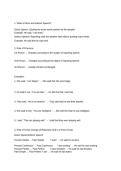
1. What is Direct and Indirect Speech?
Direct Speech: Quoting the exact words spoken by the speaker.
Example: He said, “I am tired.”
Indirect Speech: Reporting what the speaker said without quoting exact words.
Example: He said that he was tired.
2. Rule of Pronouns
1st Person → Changes according to the subject of reporting speech.
2nd Person → Changes according to the object of reporting speech.
3rd Person → Usually remains unchanged.
Examples:
1. She said, “I am happy.” → She said that she was happy.
2. He said to me, “You are late.” → He told me that I was late.
3. They said, “He is our teacher.” → They said that he was their teacher.
4. She said to him, “You are intelligent.” → She told him that he was intelligent.
5. I said, “They are playing well.” → I said that they were playing well.
3. Rule of Tense Change (if Reporting Verb is in Past Tense)
Direct SpeechIndirect Speech
Present Simple → Past Simple “I work” → He said he worked.
Present Continuous → Past Continuous “I am working” → He said he was working.
Present Perfect → Past Perfect “I have finished” → He said he had finished.
Past Simple → Past Perfect “I ate” → He said he had eaten.
, Past Continuous → Past Perfect “I was reading” → He said he had been
Continuous
reading.
Future (will) → would “I will help” → He said he would help.
4. Time & Place Word Changes
Direct SpeechIndirect Speech
now → then today → that day
tomorrow → the next day yesterday → the previous day
here → there this → that
these → thosetonight → that night
Examples:
1. She said, “I will meet you tomorrow.” → She said that she would meet me the next day.
2. He said, “I am busy now.” → He said that he was busy then.
3. They said, “We came yesterday.” → They said that they had come the previous day.
4. She said, “This book is mine.” → She said that that book was hers.
5. He said, “I will stay here tonight.” → He said that he would stay there that night.
5. Change of Reporting Verbs
Type Change in Reporting Verb
Statement said → said / told
Question said/asked → asked/inquired
Command/Request said → told/ordered/requested
Advice/Suggestion said → advised/suggested
6. Statements (Assertive Sentences)
Use "that" to connect.
Direct Speech: Quoting the exact words spoken by the speaker.
Example: He said, “I am tired.”
Indirect Speech: Reporting what the speaker said without quoting exact words.
Example: He said that he was tired.
2. Rule of Pronouns
1st Person → Changes according to the subject of reporting speech.
2nd Person → Changes according to the object of reporting speech.
3rd Person → Usually remains unchanged.
Examples:
1. She said, “I am happy.” → She said that she was happy.
2. He said to me, “You are late.” → He told me that I was late.
3. They said, “He is our teacher.” → They said that he was their teacher.
4. She said to him, “You are intelligent.” → She told him that he was intelligent.
5. I said, “They are playing well.” → I said that they were playing well.
3. Rule of Tense Change (if Reporting Verb is in Past Tense)
Direct SpeechIndirect Speech
Present Simple → Past Simple “I work” → He said he worked.
Present Continuous → Past Continuous “I am working” → He said he was working.
Present Perfect → Past Perfect “I have finished” → He said he had finished.
Past Simple → Past Perfect “I ate” → He said he had eaten.
, Past Continuous → Past Perfect “I was reading” → He said he had been
Continuous
reading.
Future (will) → would “I will help” → He said he would help.
4. Time & Place Word Changes
Direct SpeechIndirect Speech
now → then today → that day
tomorrow → the next day yesterday → the previous day
here → there this → that
these → thosetonight → that night
Examples:
1. She said, “I will meet you tomorrow.” → She said that she would meet me the next day.
2. He said, “I am busy now.” → He said that he was busy then.
3. They said, “We came yesterday.” → They said that they had come the previous day.
4. She said, “This book is mine.” → She said that that book was hers.
5. He said, “I will stay here tonight.” → He said that he would stay there that night.
5. Change of Reporting Verbs
Type Change in Reporting Verb
Statement said → said / told
Question said/asked → asked/inquired
Command/Request said → told/ordered/requested
Advice/Suggestion said → advised/suggested
6. Statements (Assertive Sentences)
Use "that" to connect.


