
PN 2005
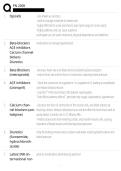
1. Opioids -also known as narcotics.
-used to manage moderate to severe pain
-highly effective for acute and chronic pain (post surgical/ cancer pain).
-highly addictive and can cause euphoria
prolonged use can lead to tolerance, physical dependence and addiction.
2. Beta-blockers medications to manage hypertension
ACE inhibitors
Cacium channel
blokers
Diuretics
3. Beta Blockers -decrease heart rate and dilate arteries by blocking beta receptors
(metroprolol) -reduce heart rate and the force of contraction, lowering blood pressure
4. ACE inhibitors * block the conversion of angiotensin 1 to angiotensin II, leading to vasodilation
(Lisinopril) and reduce blood pressure.
*used for?* HTN, heart failure, MI, diabetic nephropathy
*side effects/adverse effects?* persistent dry cough, angioedema, hypotension
5. Calcium chan- -Decrease the force of contraction of the muscle cells, and dilate arteries by
nel blockers (am- blocking calcium. Reduces blood pressure and the effort the heart must exert to
lodipine) pump blood. Controls rate in ST, Aflutter, Afib.
-inhibit calcium ions from entering cardiac and smooth muscle cells, causing
relaxation of blood vessels and lowering blood pressure.
6. Diuretics Help the kidneys remove excess sodium and water, reducing blood volume and
(furosemide, blood pressure
hydrochloroth-
iazide)
7. Latest INR (in- what to check before administering warfarin?
ternational nor-
1/6
, PN 2005
malized ratio),
signs of bleed-
ing, list of meds
and contraindica-
tions, liver dse,
recent surgery.
8. warfarin has a narrow therapeutic index, incorrect dosing can lead to serious bleeding of
(Coumadin, clotting complications.
anti-coagulant)
9. SSRI Selective Serotonin Reuptake Inhibitor
10. SSRI (Prozac, Ox- -primarily used to treat depression and anxiety disorders by increasing levels of
actin, citalopram) serotonin in brain
11. Selective sero- block the reuptake if serotonin i to neurone, making more serotonin available inthe
tonin Reuptake synaptic space, which hel[ps improve mood and reduce anxiety.
Inhibitor
12. 10 rights of med- Right medication
ication adminis- Right dose
tration Right time
Right route
Right client
Right reason
Right documentation
Right to refuse
Right assessment
Right evaluation
13. when administer- -check for polypharmacy and potential drug reaction
ing medications -adjust doses as needed for renal or hepatic impairment
2/6
1. Opioids -also known as narcotics.
-used to manage moderate to severe pain
-highly effective for acute and chronic pain (post surgical/ cancer pain).
-highly addictive and can cause euphoria
prolonged use can lead to tolerance, physical dependence and addiction.
2. Beta-blockers medications to manage hypertension
ACE inhibitors
Cacium channel
blokers
Diuretics
3. Beta Blockers -decrease heart rate and dilate arteries by blocking beta receptors
(metroprolol) -reduce heart rate and the force of contraction, lowering blood pressure
4. ACE inhibitors * block the conversion of angiotensin 1 to angiotensin II, leading to vasodilation
(Lisinopril) and reduce blood pressure.
*used for?* HTN, heart failure, MI, diabetic nephropathy
*side effects/adverse effects?* persistent dry cough, angioedema, hypotension
5. Calcium chan- -Decrease the force of contraction of the muscle cells, and dilate arteries by
nel blockers (am- blocking calcium. Reduces blood pressure and the effort the heart must exert to
lodipine) pump blood. Controls rate in ST, Aflutter, Afib.
-inhibit calcium ions from entering cardiac and smooth muscle cells, causing
relaxation of blood vessels and lowering blood pressure.
6. Diuretics Help the kidneys remove excess sodium and water, reducing blood volume and
(furosemide, blood pressure
hydrochloroth-
iazide)
7. Latest INR (in- what to check before administering warfarin?
ternational nor-
1/6
, PN 2005
malized ratio),
signs of bleed-
ing, list of meds
and contraindica-
tions, liver dse,
recent surgery.
8. warfarin has a narrow therapeutic index, incorrect dosing can lead to serious bleeding of
(Coumadin, clotting complications.
anti-coagulant)
9. SSRI Selective Serotonin Reuptake Inhibitor
10. SSRI (Prozac, Ox- -primarily used to treat depression and anxiety disorders by increasing levels of
actin, citalopram) serotonin in brain
11. Selective sero- block the reuptake if serotonin i to neurone, making more serotonin available inthe
tonin Reuptake synaptic space, which hel[ps improve mood and reduce anxiety.
Inhibitor
12. 10 rights of med- Right medication
ication adminis- Right dose
tration Right time
Right route
Right client
Right reason
Right documentation
Right to refuse
Right assessment
Right evaluation
13. when administer- -check for polypharmacy and potential drug reaction
ing medications -adjust doses as needed for renal or hepatic impairment
2/6


