GRADE 12: EHL
DRAMA: OTHELLO
1. The inherent weaknesses in various characters are manipulated, leading to
injustice.
• Othello's weaknesses: his jealousy and a lack of control over his emotions, as well as
his insecurities, based on his age and his sense of racial inferiority and foreignness, are
exploited by Iago. These will result in a miscarriage of justice: his murder of Desdemona.
• His naive and trusting nature causes him to place his faith in Iago, a grave error.
• His lack of perception and sophistication, his gullibility and his limited experience of
female company are all weaknesses that are manipulated by Iago.
• His lack of emotional balance is demonstrated as he descends into primitive/barbaric
behaviour and becomes irrational. This state of mind makes him vulnerable to Iago's
innuendos, resulting in his obsession with vengeance.
• Othello is self-righteous, believing he is executing justice in punishing Desdemona for
her adultery. His act of justice is in fact unjust.
• Desdemona's naivety in believing that Othello is not jealous and her lie to Othello about
the handkerchief, lead to her unjust death. Othello physically and verbally abuses
Desdemona. However, her loyalty becomes a weakness when she blames herself for
Othello's abusive and even murderous behaviour.
• Her loyalty to her friends, usually considered to be a strength, is perverted into a
weakness to be exploited by Iago. Her nagging insistence on pursuing Cassio's suit
reinforces the belief that she is pleading for her lover.
• Cassio's giving in to peer pressure to accept another drink, then becoming a participant
in a drunken brawl, displays a weakness which allows Iago to manipulate events to his
advantage. Cassio is dismissed from his position, losing Othello's friendship and trust.
• The callous way in which Cassio mocks Bianca's infatuation, allows Iago to provide the
ocular proof demanded by Othello to confirm Desdemona's affair with Cassio.
• Brabantio's prejudice enables Iago to manipulate him into attempting to dissolve the
marriage between Othello and Desdemona.
• Roderigo's lack of intelligence, as well as his gullibility and lack of mature morality,
allows him to become Iago's dupe. Despite becoming disillusioned with Iago's ability to
fulfil his promise, he is easily persuaded to become further embroiled in Iago's plans.
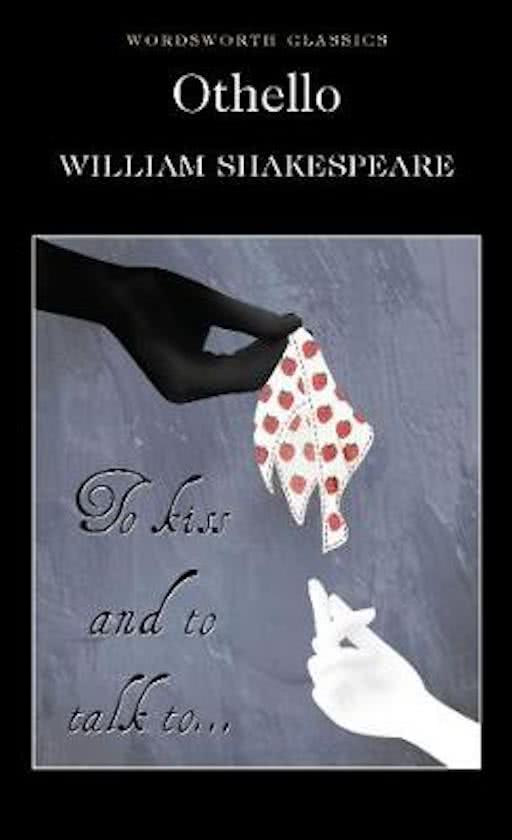
• Emilia is a bullied wife who steals Desdemona's handkerchief because she wants to
please her husband. The act of stealing the handkerchief allows Iago to further his plan
of sowing discord. Emilia does not question his desire to acquire the handkerchief,
proving she is ignorant of his true nature.
OTHELLO Essays 2010 -2018 Page 1
,• It is Iago's manipulation of the weaknesses of various characters that results in the
unjust and tragic deaths.
2. Shakespeare explores the dark side of human nature by focusing on the
deplorable qualities displayed by certain characters. These qualities are
responsible for the destruction of characters in Othello.
• Iago, Roderigo and Brabantio hold Othello in contempt; their attitudes and derogatory
comments are based on racial stereotypes. The veiled racism in Venetian society
possibly undermines Othello's confidence and self-esteem, making him more vulnerable
to Iago's machinations.
• Brabantio's prejudice prevents him from accepting the marriage, and his rejection of
Desdemona results in his heartbreak and ultimate death.
• Iago, Brabantio, Cassio and, later, Othello, display sexist attitudes.
• Cassio's sexist attitude towards Bianca is used by Iago to provide 'ocular proof' of
Desdemona's alleged adultery, thus contributing to her death. Cassio's immoral
behaviour with Bianca leads to Iago's being able to implicate him in an affair with
Desdemona, and contributes to the deaths of Othello and Desdemona.
• Roderigo sees Desdemona as a prize, believing he can woo her with money and
jewellery. This enables Iago to exploit him, leading to his financial ruin and, ultimately, his
death. His gullibility and belief in Iago blind him to rational thinking, allowing him to
become Iago's dupe. When his usefulness is over, Iago disposes of him.
• Emilia's desire to please her husband by stealing the handkerchief betrays
Desdemona's trust and has fatal consequences for herself and for Desdemona.
• Iago's ambition and desire for power and revenge lead to his plotting, since he has an
innate need to have control over others. He is caught in his own web of deceit.
• Iago's disappointment at not being promoted and his jealousy of Cassio and Othello
motivate him to destroy what is good in others because of his own contempt for virtue
and his envy of the 'daily beauty' in others.
• Othello's jealousy is aroused when he believes he has been cuckolded, but he is unable
to react rationally. His pride and his fear of having his suspicions confirmed, prevent him
from questioning the validity of the accusations, which reveals his lack of judgement.
• Othello's actions are motivated by a desire for revenge, although he deludes himself
that his actions are just.
3. In ‘Othello’, Shakespeare depicts how the more deplorable qualities of
human nature can destroy people. Critically discuss this assessment of the play.)
Shakespeare explores the dark side of human nature by focusing on the
deplorable qualities displayed by certain characters. These qualities are responsible for
the destruction of characters in Othello.
OTHELLO Essays 2010 -2018 Page 2
, • Iago, Roderigo and Brabantio hold Othello in contempt; their attitudes and
derogatory comments are based on racial stereotypes. The veiled racism in Venetian
society possibly undermines Othello's confidence and self-esteem, making him more
vulnerable to Iago's machinations.
• Brabantio's prejudice prevents him from accepting the marriage, and his rejection
of Desdemona results in his heartbreak and ultimate death.
• Iago, Brabantio, Cassio and, later, Othello, display sexist attitudes.
• Cassio's sexist attitude towards Bianca is used by Iago to provide 'ocular proof' of
Desdemona's alleged adultery, thus contributing to her death. Cassio's immoral
behaviour with Bianca leads to Iago's being able to implicate him in an affair with
Desdemona, and contributes to the deaths of
Othello and Desdemona.
• Roderigo sees Desdemona as a prize, believing he can woo her with money
and jewellery. This enables Iago to exploit him, leading to his financial ruin and,
ultimately, his death. His gullibility and belief in Iago blind him to rational thinking,
allowing him to become Iago's dupe. When his usefulness is over, Iago disposes of him.
• Emilia's desire to please her husband by stealing the handkerchief betrays
Desdemona's trust and has fatal consequences for herself and for Desdemona.
• Iago's ambition and desire for power and revenge lead to his plotting, since he has
an innate need to have control over others. He is caught in his own web of deceit.
• Iago's disappointment at not being promoted and his jealousy of Cassio and
Othello motivate him to destroy what is good in others because of his own contempt for
virtue and his envy of the 'daily beauty' in others.
• Othello's jealousy is aroused when he believes he has been cuckolded, but he is
unable to react rationally. His pride and his fear of having his suspicions confirmed,
prevent him from questioning the validity of the accusations, which reveals his lack of
judgement.
Othello's actions are motivated by a desire for revenge, although he deludes himself that
his actions are just.
4. In Act 3 Scene 4, Emilia makes the following statement on jealousy:
Jealous souls 'are not ever jealous for the cause,
But jealous for they are jealous. 'Tis a monster
Begot upon itself, born on itself.'
Is Emilia's idea of jealousy supported by the play as a whole?
OTHELLO Essays 2010 -2018 Page 3
DRAMA: OTHELLO
1. The inherent weaknesses in various characters are manipulated, leading to
injustice.
• Othello's weaknesses: his jealousy and a lack of control over his emotions, as well as
his insecurities, based on his age and his sense of racial inferiority and foreignness, are
exploited by Iago. These will result in a miscarriage of justice: his murder of Desdemona.
• His naive and trusting nature causes him to place his faith in Iago, a grave error.
• His lack of perception and sophistication, his gullibility and his limited experience of
female company are all weaknesses that are manipulated by Iago.
• His lack of emotional balance is demonstrated as he descends into primitive/barbaric
behaviour and becomes irrational. This state of mind makes him vulnerable to Iago's
innuendos, resulting in his obsession with vengeance.
• Othello is self-righteous, believing he is executing justice in punishing Desdemona for
her adultery. His act of justice is in fact unjust.
• Desdemona's naivety in believing that Othello is not jealous and her lie to Othello about
the handkerchief, lead to her unjust death. Othello physically and verbally abuses
Desdemona. However, her loyalty becomes a weakness when she blames herself for
Othello's abusive and even murderous behaviour.
• Her loyalty to her friends, usually considered to be a strength, is perverted into a
weakness to be exploited by Iago. Her nagging insistence on pursuing Cassio's suit
reinforces the belief that she is pleading for her lover.
• Cassio's giving in to peer pressure to accept another drink, then becoming a participant
in a drunken brawl, displays a weakness which allows Iago to manipulate events to his
advantage. Cassio is dismissed from his position, losing Othello's friendship and trust.
• The callous way in which Cassio mocks Bianca's infatuation, allows Iago to provide the
ocular proof demanded by Othello to confirm Desdemona's affair with Cassio.
• Brabantio's prejudice enables Iago to manipulate him into attempting to dissolve the
marriage between Othello and Desdemona.
• Roderigo's lack of intelligence, as well as his gullibility and lack of mature morality,
allows him to become Iago's dupe. Despite becoming disillusioned with Iago's ability to
fulfil his promise, he is easily persuaded to become further embroiled in Iago's plans.
• Emilia is a bullied wife who steals Desdemona's handkerchief because she wants to
please her husband. The act of stealing the handkerchief allows Iago to further his plan
of sowing discord. Emilia does not question his desire to acquire the handkerchief,
proving she is ignorant of his true nature.
OTHELLO Essays 2010 -2018 Page 1
,• It is Iago's manipulation of the weaknesses of various characters that results in the
unjust and tragic deaths.
2. Shakespeare explores the dark side of human nature by focusing on the
deplorable qualities displayed by certain characters. These qualities are
responsible for the destruction of characters in Othello.
• Iago, Roderigo and Brabantio hold Othello in contempt; their attitudes and derogatory
comments are based on racial stereotypes. The veiled racism in Venetian society
possibly undermines Othello's confidence and self-esteem, making him more vulnerable
to Iago's machinations.
• Brabantio's prejudice prevents him from accepting the marriage, and his rejection of
Desdemona results in his heartbreak and ultimate death.
• Iago, Brabantio, Cassio and, later, Othello, display sexist attitudes.
• Cassio's sexist attitude towards Bianca is used by Iago to provide 'ocular proof' of
Desdemona's alleged adultery, thus contributing to her death. Cassio's immoral
behaviour with Bianca leads to Iago's being able to implicate him in an affair with
Desdemona, and contributes to the deaths of Othello and Desdemona.
• Roderigo sees Desdemona as a prize, believing he can woo her with money and
jewellery. This enables Iago to exploit him, leading to his financial ruin and, ultimately, his
death. His gullibility and belief in Iago blind him to rational thinking, allowing him to
become Iago's dupe. When his usefulness is over, Iago disposes of him.
• Emilia's desire to please her husband by stealing the handkerchief betrays
Desdemona's trust and has fatal consequences for herself and for Desdemona.
• Iago's ambition and desire for power and revenge lead to his plotting, since he has an
innate need to have control over others. He is caught in his own web of deceit.
• Iago's disappointment at not being promoted and his jealousy of Cassio and Othello
motivate him to destroy what is good in others because of his own contempt for virtue
and his envy of the 'daily beauty' in others.
• Othello's jealousy is aroused when he believes he has been cuckolded, but he is unable
to react rationally. His pride and his fear of having his suspicions confirmed, prevent him
from questioning the validity of the accusations, which reveals his lack of judgement.
• Othello's actions are motivated by a desire for revenge, although he deludes himself
that his actions are just.
3. In ‘Othello’, Shakespeare depicts how the more deplorable qualities of
human nature can destroy people. Critically discuss this assessment of the play.)
Shakespeare explores the dark side of human nature by focusing on the
deplorable qualities displayed by certain characters. These qualities are responsible for
the destruction of characters in Othello.
OTHELLO Essays 2010 -2018 Page 2
, • Iago, Roderigo and Brabantio hold Othello in contempt; their attitudes and
derogatory comments are based on racial stereotypes. The veiled racism in Venetian
society possibly undermines Othello's confidence and self-esteem, making him more
vulnerable to Iago's machinations.
• Brabantio's prejudice prevents him from accepting the marriage, and his rejection
of Desdemona results in his heartbreak and ultimate death.
• Iago, Brabantio, Cassio and, later, Othello, display sexist attitudes.
• Cassio's sexist attitude towards Bianca is used by Iago to provide 'ocular proof' of
Desdemona's alleged adultery, thus contributing to her death. Cassio's immoral
behaviour with Bianca leads to Iago's being able to implicate him in an affair with
Desdemona, and contributes to the deaths of
Othello and Desdemona.
• Roderigo sees Desdemona as a prize, believing he can woo her with money
and jewellery. This enables Iago to exploit him, leading to his financial ruin and,
ultimately, his death. His gullibility and belief in Iago blind him to rational thinking,
allowing him to become Iago's dupe. When his usefulness is over, Iago disposes of him.
• Emilia's desire to please her husband by stealing the handkerchief betrays
Desdemona's trust and has fatal consequences for herself and for Desdemona.
• Iago's ambition and desire for power and revenge lead to his plotting, since he has
an innate need to have control over others. He is caught in his own web of deceit.
• Iago's disappointment at not being promoted and his jealousy of Cassio and
Othello motivate him to destroy what is good in others because of his own contempt for
virtue and his envy of the 'daily beauty' in others.
• Othello's jealousy is aroused when he believes he has been cuckolded, but he is
unable to react rationally. His pride and his fear of having his suspicions confirmed,
prevent him from questioning the validity of the accusations, which reveals his lack of
judgement.
Othello's actions are motivated by a desire for revenge, although he deludes himself that
his actions are just.
4. In Act 3 Scene 4, Emilia makes the following statement on jealousy:
Jealous souls 'are not ever jealous for the cause,
But jealous for they are jealous. 'Tis a monster
Begot upon itself, born on itself.'
Is Emilia's idea of jealousy supported by the play as a whole?
OTHELLO Essays 2010 -2018 Page 3