

DNA synthesis & repair
Learning objectives:
1. How DNA is synthesised and replicated?
Possible essay from this lecture
Eukaryotic DNA polymerases
Looking at genome replication during the S phase of the cell cycle
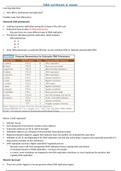
Eukaryotes have at least 15 DNA polymerases
- Because there are many different type of DNA replication
This lecture talk about genome replication, which includes:
- DNA polymerase
α
δ
ε
other DNA polymerase ca replicate DNA but can also synthesis DNA or replicate mitochondrial DNA
Where is DNA replicated?
Still don’t know
Each eukaryotic chromosome contains many replicons
Eukaryotic replicons are 40 to 100 kb in length
Individual replicons are activated at characteristic times during S phase
Regional activation patterns suggest that replicons near one another are activated the same time
Initiation at oriC (is the beginning of the DNA replication site and also called origin ) requires the sequential assembly of a
large protein complex on the membrane
DNA replication must be a highly controlled/ regulated process
- Because cancer cells have deregulated DNA replication hence rapid growth and division
- Increasing frequency of DNA replication = increase cell number
- In cancer, many mutations are targeted to the DNA replication machinery or more important the proteins that
regulate DNA replication
What Dr Hurd said
There are certain regions in human genome where DNA replication begins
, There is a DNA sequence element that primes at the nuclear sites for DNA replication called origin
- Many origins have been characterised
Regions where DNA replication originates are numerous and are spaced along chromosomes and result in more than 1
nucleation sites so that DNA polymerase proceeds away from the origin
Ultimately get fusion of all the DNA bubble
Causing the chromosome to separate and produce new genomes
What type of proteins regulate DNA replication?
Initiation
- Creating the replication forks at the origin oriC
Licensing factor
- Permit DNA replication to start
- A factor located in the nucleus and necessary for replication that is activated or destroyed after 1 round of replication
- New factors must be provided for further rounds of replication to occur
- Cell cycle regulated proteins
DNA replication only occurs in the S phase of the cell cycle
- One way that cell controls DNA replication is by ensuring that the licensing factors are only present in the nucleus
during the start of DNA replication
- Many licencing factors are excluded from the nucleus in the new daughter cell or degraded after the S phase
, Proteins at the origin control susceptibility to initiation
A number of protein factors are considered licensing factors, these include:
- MCM proteins
- Cdc6
- Cdt1
The licensing factors permit the cell to enter the S phase
The ORC (origin replication complex) is a protein complex that is associated with origins throughout the cell cycle
Cdc6 protein is an unstable protein that is synthesised only in G1 (prior S phase)
Cdc6 binds to the ORC and allows MCM proteins to bind
Cdt1 facilitates MCM loading on origins
- MCM is a hexametric protein wrapped around the DNA, which means it is a helicase
- MCM are recruited to both ends of the DNA strand and start unwinding the DNA
- Cannot copy DNA unless unwound
Once replication starts CDT1 and Cdc6 leave ORC
Learning objectives:
1. How DNA is synthesised and replicated?
Possible essay from this lecture
Eukaryotic DNA polymerases
Looking at genome replication during the S phase of the cell cycle
Eukaryotes have at least 15 DNA polymerases
- Because there are many different type of DNA replication
This lecture talk about genome replication, which includes:
- DNA polymerase
α
δ
ε
other DNA polymerase ca replicate DNA but can also synthesis DNA or replicate mitochondrial DNA
Where is DNA replicated?
Still don’t know
Each eukaryotic chromosome contains many replicons
Eukaryotic replicons are 40 to 100 kb in length
Individual replicons are activated at characteristic times during S phase
Regional activation patterns suggest that replicons near one another are activated the same time
Initiation at oriC (is the beginning of the DNA replication site and also called origin ) requires the sequential assembly of a
large protein complex on the membrane
DNA replication must be a highly controlled/ regulated process
- Because cancer cells have deregulated DNA replication hence rapid growth and division
- Increasing frequency of DNA replication = increase cell number
- In cancer, many mutations are targeted to the DNA replication machinery or more important the proteins that
regulate DNA replication
What Dr Hurd said
There are certain regions in human genome where DNA replication begins
, There is a DNA sequence element that primes at the nuclear sites for DNA replication called origin
- Many origins have been characterised
Regions where DNA replication originates are numerous and are spaced along chromosomes and result in more than 1
nucleation sites so that DNA polymerase proceeds away from the origin
Ultimately get fusion of all the DNA bubble
Causing the chromosome to separate and produce new genomes
What type of proteins regulate DNA replication?
Initiation
- Creating the replication forks at the origin oriC
Licensing factor
- Permit DNA replication to start
- A factor located in the nucleus and necessary for replication that is activated or destroyed after 1 round of replication
- New factors must be provided for further rounds of replication to occur
- Cell cycle regulated proteins
DNA replication only occurs in the S phase of the cell cycle
- One way that cell controls DNA replication is by ensuring that the licensing factors are only present in the nucleus
during the start of DNA replication
- Many licencing factors are excluded from the nucleus in the new daughter cell or degraded after the S phase
, Proteins at the origin control susceptibility to initiation
A number of protein factors are considered licensing factors, these include:
- MCM proteins
- Cdc6
- Cdt1
The licensing factors permit the cell to enter the S phase
The ORC (origin replication complex) is a protein complex that is associated with origins throughout the cell cycle
Cdc6 protein is an unstable protein that is synthesised only in G1 (prior S phase)
Cdc6 binds to the ORC and allows MCM proteins to bind
Cdt1 facilitates MCM loading on origins
- MCM is a hexametric protein wrapped around the DNA, which means it is a helicase
- MCM are recruited to both ends of the DNA strand and start unwinding the DNA
- Cannot copy DNA unless unwound
Once replication starts CDT1 and Cdc6 leave ORC


