

NURSING HSC203 (HSC203)
Jersey College Of Nursing
Here are the best resources to pass NURSING HSC203 (HSC203). Find NURSING HSC203 (HSC203) study guides, notes, assignments, and much more.
Popular textbooks
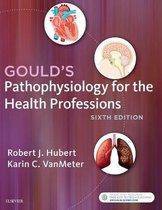
Study Guide for Gould's Pathophysiology for the Health Professions - E-Book
Karin C. VanMeter, Robert J. Hubert
12 documents
Class notes
Ch 1 notes
Study guide for ch 1
 nailynherrera
Class notes
Study guide ch 7
PopularNotes for Patho ch 7
nailynherrera
Package deal
COMPLETE STUDY GUIDES for challenging chapters + exam study guide for PATHO
Study notes for exams and class quizzes for Pathophysiology
nailynherrera
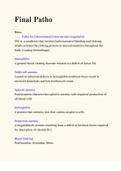
Exam (elaborations)
Final Pathophysiology exam study guide
Final Pathophysiology exam overview
nailynherrera
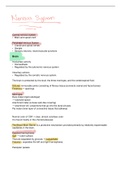
Class notes
Ch 14 nervous system study guide
Nervous system notes Pathophysiology
nailynherrera
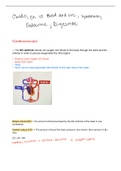
Exam (elaborations)
Exam 2 overview notes
Chapters after midterm study notes for exam 2
nailynherrera
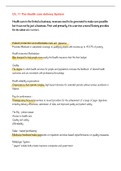
Class notes
Ch 11 study notes
Overview ch 11
nailynherrera
Class notes
Overview of ch 8
Study guide for ch 8
nailynherrera
Class notes
Ch 5 Pathophysiology overview
Ch 5 Pathophysiology study notes
nailynherrera
Exam (elaborations)
Pathophysiology Final Chapter 13-22
Pathophysiology Final Chapter 13-22. RESPIRATORY SYSTEM DISORDERS 1. Epiglottitis- is inflammation of the epiglottis—the flap at the base of the tongue that keeps food from going into the trachea (windpipe). Symptoms are usually rapid in onset and include trouble swallowing which can result in drooling, changes to the voice, fever, and an increased breathing rate. ( common in children 3-7yrs) Etiology: bacterial infection of the epiglottis. caused by Haemophilus influenzae type B w...
 ExcelAcademia2026
Exam (elaborations)
NURSING HSC203 - Patho Final Exam Study Guide.
NURSING HSC203 - Patho Final Exam Study Guide. Review on rheumatic heart disease • Rheumatic heart disease is a condition in which the heart valves have been permanently damaged by rheumatic fever.
 Toppnurse
Exam (elaborations)
NURSING HSC203 - Patho Final Exam Review.
NURSING HSC203 - Patho Final Exam Review. Chapter 13: RESPIRATORY SYSTEM DISORDERS Review on the following: • Epiglottitis - is inflammation of the epiglottis—the flap at the base of the tongue that keeps food from going into the trachea (windpipe).
Toppnurse
Other
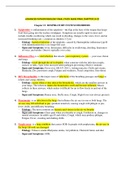
ADVANCED PATHOPHYSIOLOGY FINAL STUDY GUIDE FINAL CHAPTER 13-22
ADVANCED PATHOPHYSIOLOGY FINAL STUDY GUIDE FINAL CHAPTER 13-22-1. Epiglottitis- is inflammation of the epiglottis—the flap at the base of the tongue that keeps food from going into the trachea (windpipe). Symptoms are usually rapid in onset and include trouble swallowing which can result in drooling, changes to the voice, fever, and an increased breathing rate. ( common in children 3-7yrs) • Etiology: bacterial infection of the epiglottis. caused by Haemophilus influenzae type B with immuni...
 ProfMiaKennedy
Package deal
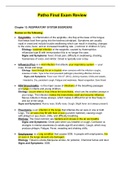
NURSING HSC203 - Patho Midterm & Final Review.
NURSING HSC203 - Patho Midterm & Final Review.
 bestnurse
Exam (elaborations)
NURSING HSC203 - Patho Final Exam Review.
NURSING HSC203 - Patho Final Exam Review/NURSING HSC203 - Patho Final Exam Review. Chapter 13: RESPIRATORY SYSTEM DISORDERS Review on the following: • Epiglottitis - is inflammation of the epiglottis—the flap at the base of the tongue that keeps food from going into the trachea (windpipe). Symptoms are usually rapid in onset and include trouble swallowing which can result in drooling, changes to the voice, fever, and an increased breathing rate. ( common in children 3-7yrs) Etiology:...
bestnurse
Exam (elaborations)
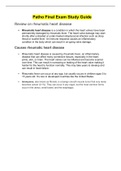
NURSING HSC203 - Patho Final Exam Study Guide.
NURSING HSC203 - Patho Final Exam Study Guide/NURSING HSC203 - Patho Final Exam Study Guide. Review on rheumatic heart disease • Rheumatic heart disease is a condition in which the heart valves have been permanently damaged by rheumatic fever. The heart valve damage may start shortly after untreated or under-treated streptococcal infection such as strep throat or scarlet fever. An immune response causes an inflammatory condition in the body which can result in on-going valve damage. C...
bestnurse
Exam (elaborations)
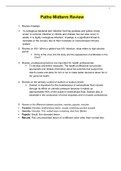
NURSING HSC203 - Patho Midterm Review.
NURSING HSC203 - Patho Midterm Review/NURSING HSC203 - Patho Midterm Review. 1. Review impetigo. • “A contagious bacterial skin infection forming pustules and yellow crusty sores” A common infection in infants and children but can also occur in adults. It is highly contagious infection. Impetigo is a significant threat to neonates in the nursery due to their immature or compromised immune system. 2. Review on HIV- When a patient has HIV infection, what refers to that window period ...
bestnurse