

TOEFL
Latest uploads at TOEFL. Looking for notes at TOEFL? We have lots of notes, study guides and study notes available for your school.
-
803
-
3
-
46
All courses for TOEFL
-
TOEFL 803
Latest content TOEFL

This document
- Exam (elaborations)
- • 3 pages's •
-
TOEFL•TOEFL
Preview 1 out of 3 pages
Getting your document ready...
This document
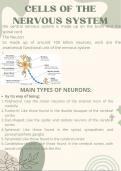
THEY ARE NOTES ABOUT VISION, HOW IS IT PRODUCED?, WHAT IS IT?, WHAT DOES IT AFFECT?, HOW IS IT PRODUCED?, PARTS, ETC.
- Class notes
- • 2 pages's •
-
TOEFL•TOEFL
Preview 1 out of 2 pages
Getting your document ready...
THEY ARE NOTES ABOUT VISION, HOW IS IT PRODUCED?, WHAT IS IT?, WHAT DOES IT AFFECT?, HOW IS IT PRODUCED?, PARTS, ETC.
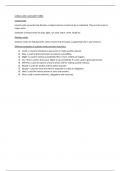
To expose the English scholar to lexical and auxiliary verbs.
- Class notes
- • 1 pages's •
-
TOEFL•TOEFL
Preview 1 out of 1 pages
Getting your document ready...
To expose the English scholar to lexical and auxiliary verbs.
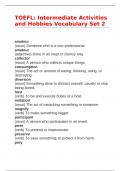
amateur (noun) Someone who is a non-professional. amateur (adjective) Done in an inept or clumsy way. collector (noun) A person who collects unique things. consumption (noun) The act or amount of eating, drinking, using, or destroying. diversion (noun) Something done to distract oneself, usually to stop being bored. host (verb) To be and execute duties of a host. imitation (noun) The act of mimicking something or someone. magnify (verb) To make something bigger. participant (nou...
- Summary
- • 7 pages's •
-
TOEFL•TOEFL
Preview 2 out of 7 pages
Getting your document ready...
amateur (noun) Someone who is a non-professional. amateur (adjective) Done in an inept or clumsy way. collector (noun) A person who collects unique things. consumption (noun) The act or amount of eating, drinking, using, or destroying. diversion (noun) Something done to distract oneself, usually to stop being bored. host (verb) To be and execute duties of a host. imitation (noun) The act of mimicking something or someone. magnify (verb) To make something bigger. participant (nou...
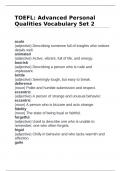
acute (adjective) Describing someone full of insights who notices details well. animated (adjective) Active, vibrant, full of life, and energy. boorish (adjective) Describing a person who is rude and unpleasant. brittle (adjective) Seemingly tough, but easy to break. deference (noun) Polite and humble submission and respect. eccentric (adjective) A person of strange and unusual behavior. eccentric (noun) A person who is bizzare and acts strange. fidelity (noun) The state of being ...
- Summary
- • 7 pages's •
-
TOEFL•TOEFL
Preview 2 out of 7 pages
Getting your document ready...
acute (adjective) Describing someone full of insights who notices details well. animated (adjective) Active, vibrant, full of life, and energy. boorish (adjective) Describing a person who is rude and unpleasant. brittle (adjective) Seemingly tough, but easy to break. deference (noun) Polite and humble submission and respect. eccentric (adjective) A person of strange and unusual behavior. eccentric (noun) A person who is bizzare and acts strange. fidelity (noun) The state of being ...
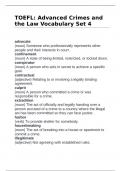
advocate (noun) Someone who professionally represents other people and their interests in court. confinement (noun) A state of being limited, restricted, or locked down. conspirator (noun) A person who acts in secret to achieve a specific goal. contractual (adjective) Relating to or involving a legally binding agreement. culprit (noun) A person who committed a crime or was responsible for a crime. extradition (noun) The act of officially and legally handing over a person accused of a ...
- Summary
- • 7 pages's •
-
TOEFL•TOEFL
Preview 2 out of 7 pages
Getting your document ready...
advocate (noun) Someone who professionally represents other people and their interests in court. confinement (noun) A state of being limited, restricted, or locked down. conspirator (noun) A person who acts in secret to achieve a specific goal. contractual (adjective) Relating to or involving a legally binding agreement. culprit (noun) A person who committed a crime or was responsible for a crime. extradition (noun) The act of officially and legally handing over a person accused of a ...
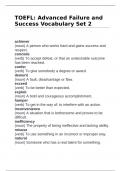
achiever (noun) A person who works hard and gains success and respect. concede (verb) To accept defeat, or that an undesirable outcome has been reached. confer (verb) To give somebody a degree or award. demerit (noun) A fault, disadvantage or flaw. exceed (verb) To be better than expected. exploit (noun) A bold and courageous accomplishment. hamper (verb) To get in the way of; to interfere with an action. inconvenience (noun) A situation that is bothersome and proves to be difficu...
- Summary
- • 6 pages's •
-
TOEFL•TOEFL
Preview 2 out of 6 pages
Getting your document ready...
achiever (noun) A person who works hard and gains success and respect. concede (verb) To accept defeat, or that an undesirable outcome has been reached. confer (verb) To give somebody a degree or award. demerit (noun) A fault, disadvantage or flaw. exceed (verb) To be better than expected. exploit (noun) A bold and courageous accomplishment. hamper (verb) To get in the way of; to interfere with an action. inconvenience (noun) A situation that is bothersome and proves to be difficu...
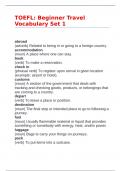
abroad (adverb) Related to being in or going to a foreign country. accommodation (noun) A place where one can stay. book (verb) To make a reservation. check in (phrasal verb) To register upon arrival in given location (example: airport or hotel). customs (noun) A section of the government that deals with tracking and checking goods, products, or belongings that are coming to a country. depart (verb) To leave a place or position. destination (noun) The final stop or intended place to...
- Summary
- • 5 pages's •
-
TOEFL•TOEFL
Preview 2 out of 5 pages
Getting your document ready...
abroad (adverb) Related to being in or going to a foreign country. accommodation (noun) A place where one can stay. book (verb) To make a reservation. check in (phrasal verb) To register upon arrival in given location (example: airport or hotel). customs (noun) A section of the government that deals with tracking and checking goods, products, or belongings that are coming to a country. depart (verb) To leave a place or position. destination (noun) The final stop or intended place to...
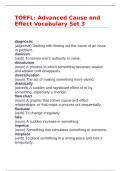
diagnostic (adjective) Dealing with finding out the cause of an issue or problem. diminish (verb) To lessen one's authority or value. dissolution (noun) A process in which something becomes weaker and weaker until disappears. diversification (noun) The act of making something more varied. drastically (adverb) A sudden and significant effect of or by something, especially a change. flow chart (noun) A graphic that shows cause-and-effect relationships, or that maps a process out sequ...
- Summary
- • 7 pages's •
-
TOEFL•TOEFL
Preview 2 out of 7 pages
Getting your document ready...
diagnostic (adjective) Dealing with finding out the cause of an issue or problem. diminish (verb) To lessen one's authority or value. dissolution (noun) A process in which something becomes weaker and weaker until disappears. diversification (noun) The act of making something more varied. drastically (adverb) A sudden and significant effect of or by something, especially a change. flow chart (noun) A graphic that shows cause-and-effect relationships, or that maps a process out sequ...
bridle (noun) Headgear of a horse used to direct and control the movements of the horse. carcass (noun) The body of dead animal. carnivorous (adjective) Related to eating meat. doe (noun) The female deer, rabbit, hare, squirrel, or kangaroo. duckling (noun) A baby or young duck. heifer (noun) A young cow that has not calved yet. herbivore (noun) A person or animal who only eats plants. hibernate (verb) To enter a restful state, especially over the winter season. infest (verb) Wh...
- Summary
- • 6 pages's •
-
TOEFL•TOEFL
Preview 2 out of 6 pages
Getting your document ready...
bridle (noun) Headgear of a horse used to direct and control the movements of the horse. carcass (noun) The body of dead animal. carnivorous (adjective) Related to eating meat. doe (noun) The female deer, rabbit, hare, squirrel, or kangaroo. duckling (noun) A baby or young duck. heifer (noun) A young cow that has not calved yet. herbivore (noun) A person or animal who only eats plants. hibernate (verb) To enter a restful state, especially over the winter season. infest (verb) Wh...