Eigenraam, A. W., Eelen, J., van Lin, A., & Verlegh, P. W. J. (2018). A Consumer-based
Taxonomy of Digital Customer Engagement Practices. Journal of Interactive Marketing,
44, 102-121
Introduction
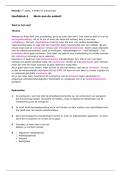
We aim to develop a taxonomy for digital engagement practices and provide integration and
standardization in this area.
Brand engagement: a consumer's positively valenced brand-related cognitive, emotional (or
affective) and behavioral activity during or related to focal consumer/brand interactions.
Engagement practices: motivated behaviors, which go beyond the mere purchase and consumption
of products and services.
Important to understand digital engagement activities from customer view, due to interactive role of
consumers in the marketplace → empirical approach, quantified consumer judgements.
Our taxonomy defines practices independent of platforms and media channels and robust for dyamic
situations and changes.
Three phases of research: (1) inventory of all digital consumer engagement practices; (2) how
consumers categorized the practices; (3) validate this taxonomy and illustrate the applicability.
Theory
Customer engagement: a psychological state that occurs by virtue of interactive, co-creative
customer experiences with a brand → it reflects a customers motivational state, which then
manifests itself in behaviors that go beyond purchase-related activities → iterative process. These
behaviors on digital media and platforms are digital customer engagement practices: consumers'
online, behavioral manifestations of brand engagement that go beyond purchase. These are
manifestations of consumers motivational states of brand engagement: cognitive, emotional and
behavioral.
The fragmentation an lack of integration in the digital engagement literature create a strong need for
standardization of the classification of engagement practices.
Differences between brands and products can lead to differences in the engagement practices and
their effects, but the set of póssible engagement practices does not differ.
Phase 1: development and refinement of digital engagement practices
A set of 55 articles was read to analyse specific types of practises. 35 articles remained. 261 practices
found and were grouped, 33 practices remained. Next, presented the list to 16 marketing scholars to
see whether they fitted the definition. 20 practices remained. Next, international expert practitioners
rated the list on relevance. 19 practices remained.
Phase 2: developing the consumer-based taxonomy
How consumers categorize the different digital engagement practices: with sorted tasks.
N = 95. Participants were instructed to sort the 19 practices into unique piles that would make sense
to them, and subsequently give their piles a category name.
Results: five piles/categories remained: (1) fun; (2) learning about the brand; (3) working for the
brand; (4) customer feedback; (5) talking about the brand.
Discussion: consumers distinguish hedonic practices (playing games) from utilitarian ones (signing up
for updates); practices that are initiated by the brand vs. by consumers; practices that help brands
(working for) vs. help customers (feedback).
Taxonomy of Digital Customer Engagement Practices. Journal of Interactive Marketing,
44, 102-121
Introduction
We aim to develop a taxonomy for digital engagement practices and provide integration and
standardization in this area.
Brand engagement: a consumer's positively valenced brand-related cognitive, emotional (or
affective) and behavioral activity during or related to focal consumer/brand interactions.
Engagement practices: motivated behaviors, which go beyond the mere purchase and consumption
of products and services.
Important to understand digital engagement activities from customer view, due to interactive role of
consumers in the marketplace → empirical approach, quantified consumer judgements.
Our taxonomy defines practices independent of platforms and media channels and robust for dyamic
situations and changes.
Three phases of research: (1) inventory of all digital consumer engagement practices; (2) how
consumers categorized the practices; (3) validate this taxonomy and illustrate the applicability.
Theory
Customer engagement: a psychological state that occurs by virtue of interactive, co-creative
customer experiences with a brand → it reflects a customers motivational state, which then
manifests itself in behaviors that go beyond purchase-related activities → iterative process. These
behaviors on digital media and platforms are digital customer engagement practices: consumers'
online, behavioral manifestations of brand engagement that go beyond purchase. These are
manifestations of consumers motivational states of brand engagement: cognitive, emotional and
behavioral.
The fragmentation an lack of integration in the digital engagement literature create a strong need for
standardization of the classification of engagement practices.
Differences between brands and products can lead to differences in the engagement practices and
their effects, but the set of póssible engagement practices does not differ.
Phase 1: development and refinement of digital engagement practices
A set of 55 articles was read to analyse specific types of practises. 35 articles remained. 261 practices
found and were grouped, 33 practices remained. Next, presented the list to 16 marketing scholars to
see whether they fitted the definition. 20 practices remained. Next, international expert practitioners
rated the list on relevance. 19 practices remained.
Phase 2: developing the consumer-based taxonomy
How consumers categorize the different digital engagement practices: with sorted tasks.
N = 95. Participants were instructed to sort the 19 practices into unique piles that would make sense
to them, and subsequently give their piles a category name.
Results: five piles/categories remained: (1) fun; (2) learning about the brand; (3) working for the
brand; (4) customer feedback; (5) talking about the brand.
Discussion: consumers distinguish hedonic practices (playing games) from utilitarian ones (signing up
for updates); practices that are initiated by the brand vs. by consumers; practices that help brands
(working for) vs. help customers (feedback).