Unit 5, Task 1
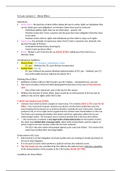
P1- Describe common terms in relation to infection control and their meanings.
Infection control is practical management in order to try and reduce the spread of a disease and
eliminate the disease if possible.
The term hygiene means “conditions or practices that help to maintain health and prevent disease,
especially through cleanliness to reduce the spread of germs.” (Ferreiro Peteiro et al., 2016) For
example, this could be getting the children to wash their hands before lunch in an early-years setting.
“Infection means the process of bacteria or viruses invading the body and making someone ill or
diseased.” (Ferreiro Peteiro et al., 2016)
“Disease is a disorder or incorrectly functioning organ, part or body systems in a human.” (Ferreiro
Peteiro et al., 2016) For example, kidney or lung disease.
Carriers means a person who might not show any symptoms of the infection but may still be carrying the
infection. For example, someone with coronavirus might not have a cough, loss of taste or smell or a
high temperature but the virus may still be living inside their cells.
Food- borne illness are illnesses that come from eating an infected food, such as mad cow disease from
eating infected meat from the cow.
Pathogenic bacteria is bacteria that causes infection as it is carrying pathogens within it.
“Contamination means to have made something dirty, polluted or poisonous by adding a chemical,
waste or infection.” (Ferreiro Peteiro et al., 2016)
Hazard analysis is a process of identifying, then minimising and controlling the risks of the hazard. A
manager would need to carry out a risk assessment relating to infection control, for example, a nurse
not washing their hands between patients.
People are more at risk if they are in a hospital as they have visitors and workers going in and out of the
hospital at different times, this could lead to a chance of infection.
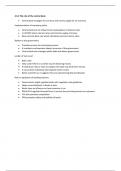
Risk Setting- Setting- Differences
hospital domiciliary
care
The spread of The disease There is a risk The spread of
disease may be spread with the disease will be
in a hospital, spread of different
in some cases disease in between a
this may lead domiciliary hospital and
to the hospital care, as the someone
having to close carers are receiving care
, to visitors. The having to go to within their
workers within multiple own home,
the hospital different this is because
may also catch houses, in if a breakout
the illness and which some of of a highly
spread it to the houses are infectious
people within not clean, so disease such
their this may be as norovirus
household. where the (winter
disease has vomiting bug),
originated usually wards
from. affected are
closed down,
but in some
cases the
whole hospital
is closed down
to visitors but
patients’ visits
are usually
unaffected.
Within
hospitals, they
are able to
carry out a
deep clean,
whereas
within
someone’s
own home, a
deep clean is
less likely.
Ill health Ill health could Depending on There is an
result in a the type of increased risk
longer stay in illness, they of ill-health
hospital, as may have to within
the patient stay in their hospitals, such
may not be fit own home for as illnesses
enough to a prolonged like MRSA or
leave hospital amount of Norovirus due
straight away. time, this to the amount
could apply to of people
both the within the
person being setting. There
cared for and is less risk at
the carer, both home as these
having to illnesses are
isolate in their known as
P1- Describe common terms in relation to infection control and their meanings.
Infection control is practical management in order to try and reduce the spread of a disease and
eliminate the disease if possible.
The term hygiene means “conditions or practices that help to maintain health and prevent disease,
especially through cleanliness to reduce the spread of germs.” (Ferreiro Peteiro et al., 2016) For
example, this could be getting the children to wash their hands before lunch in an early-years setting.
“Infection means the process of bacteria or viruses invading the body and making someone ill or
diseased.” (Ferreiro Peteiro et al., 2016)
“Disease is a disorder or incorrectly functioning organ, part or body systems in a human.” (Ferreiro
Peteiro et al., 2016) For example, kidney or lung disease.
Carriers means a person who might not show any symptoms of the infection but may still be carrying the
infection. For example, someone with coronavirus might not have a cough, loss of taste or smell or a
high temperature but the virus may still be living inside their cells.
Food- borne illness are illnesses that come from eating an infected food, such as mad cow disease from
eating infected meat from the cow.
Pathogenic bacteria is bacteria that causes infection as it is carrying pathogens within it.
“Contamination means to have made something dirty, polluted or poisonous by adding a chemical,
waste or infection.” (Ferreiro Peteiro et al., 2016)
Hazard analysis is a process of identifying, then minimising and controlling the risks of the hazard. A
manager would need to carry out a risk assessment relating to infection control, for example, a nurse
not washing their hands between patients.
People are more at risk if they are in a hospital as they have visitors and workers going in and out of the
hospital at different times, this could lead to a chance of infection.
Risk Setting- Setting- Differences
hospital domiciliary
care
The spread of The disease There is a risk The spread of
disease may be spread with the disease will be
in a hospital, spread of different
in some cases disease in between a
this may lead domiciliary hospital and
to the hospital care, as the someone
having to close carers are receiving care
, to visitors. The having to go to within their
workers within multiple own home,
the hospital different this is because
may also catch houses, in if a breakout
the illness and which some of of a highly
spread it to the houses are infectious
people within not clean, so disease such
their this may be as norovirus
household. where the (winter
disease has vomiting bug),
originated usually wards
from. affected are
closed down,
but in some
cases the
whole hospital
is closed down
to visitors but
patients’ visits
are usually
unaffected.
Within
hospitals, they
are able to
carry out a
deep clean,
whereas
within
someone’s
own home, a
deep clean is
less likely.
Ill health Ill health could Depending on There is an
result in a the type of increased risk
longer stay in illness, they of ill-health
hospital, as may have to within
the patient stay in their hospitals, such
may not be fit own home for as illnesses
enough to a prolonged like MRSA or
leave hospital amount of Norovirus due
straight away. time, this to the amount
could apply to of people
both the within the
person being setting. There
cared for and is less risk at
the carer, both home as these
having to illnesses are
isolate in their known as