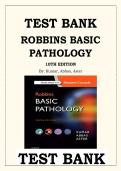
TEST BANK
Environmental Science A Global Concern 16/E William Cunningham
CHn901.n9Understandingn9Ourn9Environment.
1) Ton9sayn9thatn9environmentaln9sciencen9isn9missionn9orientedn9meansn9itn9is
A) an9highlyn9organizedn9endeavor.
B) essentiallyn9ann9informationn9gatheringn9endeavor.
C) orientedn9towardn9solvingn9problems.
D) designedn9ton9understandn9relationships.
2) Ifn9everyonen9inn9then9worldn9livedn9an9lifestylen9similarn9ton9then9averagen9U.S.n9citizenn9wen9wouldn9need
moren9planetsn9ton9supportn9everyone.
A) two
B) four
C) six
D) eight
3) Aboutn9
ofn9then9world'sn9peoplen9currentlyn9lackn9accessn9ton9cleann9water,n9adequat
en9diet,n9basicn9sanitation,n9andn9othern9essentialn9needs.
A) 100n9million
B) 300n9million
C) 700n9million
D) 1.4n9billion
4) Sustainablen9developmentn9means
A) improvingn9people'sn9livesn9inn9then9presentn9inn9an9wayn9thatn9cann9continuen9farn9inton9then9future.
B) providingn9ever-increasingn9amountsn9ofn9adequaten9housing.
C) continuedn9growthn9indefinitelyn9asn9longn9asn9itn9cann9ben9paidn9off.
D) utilizingn9ann9ever-increasingn9quantityn9ofn9naturaln9resources.
5) Then9earliestn9documentedn9recognitionn9thatn9misusen9ofn9then9naturaln9environmentn9cann9have
nastyn9consequencesn9was
n9
A) Georgen9Perkinsn9Marsh'sn91864n9publicationn9ofn9Mann9andn9Nature.
B) Racheln9Carson'sn9Silentn9Spring,n9alertingn9then9publicn9ton9then9dangersn9ofn9pollutionn9inn91962.
C) Roosevelt'sn9warningsn9aboutn9overusen9an9centuryn9ago.
D) Plato'sn9writingsn92500n9yearsn9ago.
1
, 6) Whichn9ofn9then9followingn9presentlyn9providesn980n9percentn9ofn9then9energyn9usedn9inn9industr
ializedn9countries?
A) fossiln9fuels
B) wind
C) hydroelectricn9power
D) solar
7) Then9positionn9thatn9naturen9deservesn9ton9ben9protectedn9inn9itsn9ownn9rightn9isn9called
A) biocentricn9preservation.
B) utilitariann9conservation.
C) environmentalism.
D) globaln9environmentalism.
8)
constitutesn94.6n9percentn9ofn9then9world'sn9peoplen9yetn9producesn9aboutn950n9percent
n9ofn9alln9toxicn9waste.
A) China
B) Germany
C) Russia
D) Then9Unitedn9States
9) Then9textn9suggestsn9theren9isn9notn9an9strongn9connectionn9betweenn9povertyn9andn9environ
mentaln9degradation.
⊚n true
9
⊚n 9 false
10) Mostn9peoplen9agreen9thatn9globaln9climaten9changen9isn9notn9an9realn9environmentaln9threat.
⊚n true
9
⊚n 9 false
s
2
,11) Byn 9 2050,n 9 then 9 earthn 9 isn 9 projectedn 9 ton 9 haven 9 an 9 populationn 9 between
A) 8n 9 andn 9 10n 9 billion.
B) 7n 9 andn 9 8n 9 billion.
C) 8n 9 andn 9 9n 9 billion.
D) 10n 9 andn 9 12n 9 billion.
12) Lossn 9 ofn 9 indigenousn 9 culturesn 9 isn 9 accompaniedn 9 byn 9 lossn 9 ofn 9 uniquen 9 understandingn 9 ofn
9 nature.
⊚ true
⊚ false
13) Ann 9 importantn 9 reasonn 9 forn 9 determiningn 9 then 9 sizen 9 ofn 9 an 9 society'sn 9 ec
ologicaln 9 footn9printn 9 isn 9 ton 9 determinen 9 then 9 sustainabilityn 9 ofn 9 itsn 9 life
style.
⊚ true
⊚ false
14) Onen 9 ofn 9 then 9 earliestn 9 modelsn 9 forn 9 conservationn 9 inn 9 then 9 Unitedn 9 Statesn 9 wasn 9 based
n9onn 9 utn9ilitariann 9 conservation,n 9 forn 9 whichn 9 naturen 9 wasn 9 conservedn 9 notn 9 ton 9 p
rotectn 9 biodiversity,n 9 bn9utn 9 ton 9 providen 9 jobsn 9 andn 9 resources.
⊚n 9 n 9 n 9 true
⊚n 9 n 9 n 9 false
15) Then 9 firstn 9 Nobeln 9 Prizen 9 forn 9 environmentaln 9 actionn 9 wasn 9 awarded
A) inn 9 1912n 9 ton 9 Johnn 9 Muir.
B) inn 9 1973n 9 ton 9 Davidn 9 Brower.
C) inn 9 2004n 9 ton 9 Wangarin 9 Maathai.
D) inn 9 1935n 9 ton 9 Aldon 9 Leopold.
16) Theren 9 isn 9 concernn 9 overn 9 then 9 continuedn 9 abilityn 9 ton 9 providen 9 adequaten
9 foodn 9 forn 9 oun9rn 9 growingn 9 populationn 9 because
A) 2/3n 9 ofn 9 alln 9 agriculturaln 9 landsn 9 shown 9 signsn 9 ofn 9 degradation.
B) theren 9 isn 9 littlen 9 corporaten 9 interestn 9 inn 9 foodn 9 production.
C) agriculturen 9 hasn 9 notn 9 benefitedn 9 fromn 9 modernn 9 technologicaln 9 advancements.
D) theren 9 isn 9 littlen 9 knowledgen 9 aboutn 9 hown 9 ton 9 farm.
3
, 17) Then 9 wordn 9 "environment"n 9 comesn 9 fromn 9 an 9 Frenchn 9 wordn 9 thatn 9 means
A) life
B) nature
C) wildlife
D) home
E) ton 9 surround
18) Environmentaln 9 sciencen 9 isn 9 an 9 .
A) narrowlyn 9 definedn 9 setn 9 ofn 9 physical,n 9 life,n 9 andn 9 socialn 9 sciences
B) theoreticaln 9 approachn 9 inn 9 interpretingn 9 then 9 environment
C) wayn 9 ton 9 seen 9 then 9 worldn 9 inn 9 scientificn 9 terms
D) systematicn 9 approachn 9 inn 9 learningn 9 aboutn 9 then 9 environment
E) specialn 9 setn 9 ofn 9 problem-solvingn 9 skills
19) Mostn 9 environmentaln 9 problemsn 9 resultn 9 from
A) politicaln 9 differences
B) complex,n 9 interrelatedn 9 problems
C) technologicaln 9 developmentn 9 problems
D) globaln 9 warming
E) urbann 9 degradation
20) Whichn 9 ofn 9 then 9 followingn 9 isn 9 notn 9 truen 9 ofn 9 then 9 termn 9 environment?
A) Environmentn 9 includesn 9 ourn 9 culture.
B) Then 9 environmentn 9 includesn 9 then 9 biosphere.
C) Then 9 environmentn 9 includesn 9 politicaln 9 andn 9 socialn 9 systems.
D) Then 9 environmentn 9 hasn 9 issuesn 9 forn 9 whichn 9 theren 9 aren 9 non 9 remedies.
E) Then 9 environmentn 9 includesn 9 then 9 relationshipsn 9 betweenn 9 organisms.
21) Then 9 fundamentaln 9 basisn 9 ofn 9 environmentaln 9 sciencen 9 asn 9 an 9 disciplinen 9 isn 9 the
A) historyn 9 ofn 9 then 9 usen 9 ofn 9 naturaln 9 resources
B) diversityn 9 ofn 9 lifen 9 onn 9 then 9 Earth
C) humann 9 impactn 9 onn 9 then 9 Earth
D) pollutionn 9 onn 9 then 9 Earth
E) futuren 9 usen 9 ofn 9 naturaln 9 resources
4
Environmental Science A Global Concern 16/E William Cunningham
CHn901.n9Understandingn9Ourn9Environment.
1) Ton9sayn9thatn9environmentaln9sciencen9isn9missionn9orientedn9meansn9itn9is
A) an9highlyn9organizedn9endeavor.
B) essentiallyn9ann9informationn9gatheringn9endeavor.
C) orientedn9towardn9solvingn9problems.
D) designedn9ton9understandn9relationships.
2) Ifn9everyonen9inn9then9worldn9livedn9an9lifestylen9similarn9ton9then9averagen9U.S.n9citizenn9wen9wouldn9need
moren9planetsn9ton9supportn9everyone.
A) two
B) four
C) six
D) eight
3) Aboutn9
ofn9then9world'sn9peoplen9currentlyn9lackn9accessn9ton9cleann9water,n9adequat
en9diet,n9basicn9sanitation,n9andn9othern9essentialn9needs.
A) 100n9million
B) 300n9million
C) 700n9million
D) 1.4n9billion
4) Sustainablen9developmentn9means
A) improvingn9people'sn9livesn9inn9then9presentn9inn9an9wayn9thatn9cann9continuen9farn9inton9then9future.
B) providingn9ever-increasingn9amountsn9ofn9adequaten9housing.
C) continuedn9growthn9indefinitelyn9asn9longn9asn9itn9cann9ben9paidn9off.
D) utilizingn9ann9ever-increasingn9quantityn9ofn9naturaln9resources.
5) Then9earliestn9documentedn9recognitionn9thatn9misusen9ofn9then9naturaln9environmentn9cann9have
nastyn9consequencesn9was
n9
A) Georgen9Perkinsn9Marsh'sn91864n9publicationn9ofn9Mann9andn9Nature.
B) Racheln9Carson'sn9Silentn9Spring,n9alertingn9then9publicn9ton9then9dangersn9ofn9pollutionn9inn91962.
C) Roosevelt'sn9warningsn9aboutn9overusen9an9centuryn9ago.
D) Plato'sn9writingsn92500n9yearsn9ago.
1
, 6) Whichn9ofn9then9followingn9presentlyn9providesn980n9percentn9ofn9then9energyn9usedn9inn9industr
ializedn9countries?
A) fossiln9fuels
B) wind
C) hydroelectricn9power
D) solar
7) Then9positionn9thatn9naturen9deservesn9ton9ben9protectedn9inn9itsn9ownn9rightn9isn9called
A) biocentricn9preservation.
B) utilitariann9conservation.
C) environmentalism.
D) globaln9environmentalism.
8)
constitutesn94.6n9percentn9ofn9then9world'sn9peoplen9yetn9producesn9aboutn950n9percent
n9ofn9alln9toxicn9waste.
A) China
B) Germany
C) Russia
D) Then9Unitedn9States
9) Then9textn9suggestsn9theren9isn9notn9an9strongn9connectionn9betweenn9povertyn9andn9environ
mentaln9degradation.
⊚n true
9
⊚n 9 false
10) Mostn9peoplen9agreen9thatn9globaln9climaten9changen9isn9notn9an9realn9environmentaln9threat.
⊚n true
9
⊚n 9 false
s
2
,11) Byn 9 2050,n 9 then 9 earthn 9 isn 9 projectedn 9 ton 9 haven 9 an 9 populationn 9 between
A) 8n 9 andn 9 10n 9 billion.
B) 7n 9 andn 9 8n 9 billion.
C) 8n 9 andn 9 9n 9 billion.
D) 10n 9 andn 9 12n 9 billion.
12) Lossn 9 ofn 9 indigenousn 9 culturesn 9 isn 9 accompaniedn 9 byn 9 lossn 9 ofn 9 uniquen 9 understandingn 9 ofn
9 nature.
⊚ true
⊚ false
13) Ann 9 importantn 9 reasonn 9 forn 9 determiningn 9 then 9 sizen 9 ofn 9 an 9 society'sn 9 ec
ologicaln 9 footn9printn 9 isn 9 ton 9 determinen 9 then 9 sustainabilityn 9 ofn 9 itsn 9 life
style.
⊚ true
⊚ false
14) Onen 9 ofn 9 then 9 earliestn 9 modelsn 9 forn 9 conservationn 9 inn 9 then 9 Unitedn 9 Statesn 9 wasn 9 based
n9onn 9 utn9ilitariann 9 conservation,n 9 forn 9 whichn 9 naturen 9 wasn 9 conservedn 9 notn 9 ton 9 p
rotectn 9 biodiversity,n 9 bn9utn 9 ton 9 providen 9 jobsn 9 andn 9 resources.
⊚n 9 n 9 n 9 true
⊚n 9 n 9 n 9 false
15) Then 9 firstn 9 Nobeln 9 Prizen 9 forn 9 environmentaln 9 actionn 9 wasn 9 awarded
A) inn 9 1912n 9 ton 9 Johnn 9 Muir.
B) inn 9 1973n 9 ton 9 Davidn 9 Brower.
C) inn 9 2004n 9 ton 9 Wangarin 9 Maathai.
D) inn 9 1935n 9 ton 9 Aldon 9 Leopold.
16) Theren 9 isn 9 concernn 9 overn 9 then 9 continuedn 9 abilityn 9 ton 9 providen 9 adequaten
9 foodn 9 forn 9 oun9rn 9 growingn 9 populationn 9 because
A) 2/3n 9 ofn 9 alln 9 agriculturaln 9 landsn 9 shown 9 signsn 9 ofn 9 degradation.
B) theren 9 isn 9 littlen 9 corporaten 9 interestn 9 inn 9 foodn 9 production.
C) agriculturen 9 hasn 9 notn 9 benefitedn 9 fromn 9 modernn 9 technologicaln 9 advancements.
D) theren 9 isn 9 littlen 9 knowledgen 9 aboutn 9 hown 9 ton 9 farm.
3
, 17) Then 9 wordn 9 "environment"n 9 comesn 9 fromn 9 an 9 Frenchn 9 wordn 9 thatn 9 means
A) life
B) nature
C) wildlife
D) home
E) ton 9 surround
18) Environmentaln 9 sciencen 9 isn 9 an 9 .
A) narrowlyn 9 definedn 9 setn 9 ofn 9 physical,n 9 life,n 9 andn 9 socialn 9 sciences
B) theoreticaln 9 approachn 9 inn 9 interpretingn 9 then 9 environment
C) wayn 9 ton 9 seen 9 then 9 worldn 9 inn 9 scientificn 9 terms
D) systematicn 9 approachn 9 inn 9 learningn 9 aboutn 9 then 9 environment
E) specialn 9 setn 9 ofn 9 problem-solvingn 9 skills
19) Mostn 9 environmentaln 9 problemsn 9 resultn 9 from
A) politicaln 9 differences
B) complex,n 9 interrelatedn 9 problems
C) technologicaln 9 developmentn 9 problems
D) globaln 9 warming
E) urbann 9 degradation
20) Whichn 9 ofn 9 then 9 followingn 9 isn 9 notn 9 truen 9 ofn 9 then 9 termn 9 environment?
A) Environmentn 9 includesn 9 ourn 9 culture.
B) Then 9 environmentn 9 includesn 9 then 9 biosphere.
C) Then 9 environmentn 9 includesn 9 politicaln 9 andn 9 socialn 9 systems.
D) Then 9 environmentn 9 hasn 9 issuesn 9 forn 9 whichn 9 theren 9 aren 9 non 9 remedies.
E) Then 9 environmentn 9 includesn 9 then 9 relationshipsn 9 betweenn 9 organisms.
21) Then 9 fundamentaln 9 basisn 9 ofn 9 environmentaln 9 sciencen 9 asn 9 an 9 disciplinen 9 isn 9 the
A) historyn 9 ofn 9 then 9 usen 9 ofn 9 naturaln 9 resources
B) diversityn 9 ofn 9 lifen 9 onn 9 then 9 Earth
C) humann 9 impactn 9 onn 9 then 9 Earth
D) pollutionn 9 onn 9 then 9 Earth
E) futuren 9 usen 9 ofn 9 naturaln 9 resources
4