Judgement in managerial decision making
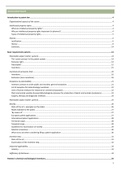
Table of contents
Chapter 1. Introduction to managerial decision making ......................................................................... 2
Chapter 2. Overconfidence ...................................................................................................................... 3
Chapter 3. Common biases...................................................................................................................... 4
Chapter 4. Bounded awareness ............................................................................................................... 7
Chapter 5. Framing and the reversal of preferences ............................................................................... 8
Chapter 6. Motivational and emotional influences on decision making ................................................. 9
Chapter 7. The escalation of commitment ............................................................................................ 11
Chapter 8. Fairness and ethics in decision making ................................................................................ 11
Chapter 9. Common investment mistakes............................................................................................. 13
Chapter 10. Making rational decisions in negotiations......................................................................... 14
Chapter 11. Negotiator cognition.......................................................................................................... 16
Chapter 12. Improving decision making ................................................................................................ 17
,Chapter 1. Introduction to managerial decision making
Six steps of a rational decision-making process:
1. Define the problem
2. Identify the criteria
3. Weigh the criteria
4. Generate alternatives
5. Rate each alternative on each criterion
6. Compute the optimal decision
System I thinking --> refers to intuitive system (fast, automatic, emotional)
System II thinking --> refers to reasoning that is slower, conscious and logical
People often rely on system II thinking.
Two schools of thought
The field of decision making can be divided into two parts:
1. The study of descriptive models considers how decisions are made
2. The study of prescriptive models develops methods for making optimal decisions
This books takes the descriptive approach.
Heuristics are standard rules that implicitly direct our judgments. Heuristics are helpful, but can lead
to errors.
Bounds of human judgement
- Willpower is bounded, such that we tend to give greater weight to present concerns than to
future concerns.
- Self-interest is bounded, we care about the outcomes of others.
- Awareness is bounded, we overlook important information.
- Ethicality is bounded, ethics are limited in ways of which we are unaware.
General heuristics
The availability heuristic
People assess the frequency, probability, or likely causes of an event by the degree to which
instances of that event are readily “available” in memory. An event that evokes emotions, and
is vivid, easily imagined, and specific will be more available than an event that is unemotional,
bland, difficult to imagine or vague.
Example: a staff member who works in close proximity to the manager’s office is likely to
receive a more critical performance evaluation because the manager will be more aware of his
errors.
The representativeness heuristic
When making a judgement about an individual or object, people tend to look for traits the
individual may have that correspond with previously formed stereotypes.
Example: when managers think that the best salespeople are likely to be extroverts, ex-
athletes or white men, then the manager will favour those sorts of people for their sales jobs.
The conformation heuristic
We intuitively use selective data when testing hypotheses, such as instances in which the
variable of interest is present. Focus on selective data or single possible cause of an effect may
lead us to neglect alternative causes of the effect and conclude that the association between
the cause and effect is stronger than it is in reality.
Conformation bias --> we search for and interpret evidence in such a way that
supports the conclusions we favoured in the outset
, Anchoring --> when some irrelevant initial hypothesis or starting point holds undue
sway over our judgements
Hindsight bias --> when we too quickly dismiss the possibility that things could have
turned out differently than they did.
The affect heuristic
Most of our judgments follow an affective or emotional evaluation that occurs even before
any higher-level reasoning takes place. This heuristic is most likely to be used when people
are busy or under time constraints.
For change to be successful, Lewin (1947) argues that it is necessary to:
1. Get the individual to “unfreeze” existing decision making processes
2. Provide the information necessary to promote change
3. Create the conditions that “refreeze” new processes
This book will attempt to unfreeze your present decision-making processes by demonstrating how
your judgement systematically deviates from rationality.
Chapter 2. Overconfidence
Overconfidence effects are some of the most potent, pervasive, and pernicious of any of the biases.
Overconfidence facilitates many of the other biases discussed in this book. If we could be more humble
about the quality of our judgments, we could more easily double check our opinions and correct our
flaws. Overconfidence has been studies in three basic ways:
1. Overprecision describes the tendency to be too sure our judgements and decisions are
accurate, uninterested in testing our assumptions, and dismissive of evidence suggesting we
might be wrong.
2. Overestimation is the common tendency to think we’re better, smarter, faster, and more
capable than we actually are.
3. Overplacement is the tendency to falsely think we rank higher than others on certain
dimensions, particularly in competitive contexts.
Overprecision
There are a variety of theories regarding the underlying causes of overprecision in judgment. We see
people who are more confident as more capable and more persuasive. Thinking about why you might
be wrong can help correct for the influence of the confirmation bias
Consequences. Overprecision makes us too sure of our judgements, such that we are often in error yet
rarely in doubt. Our assurance makes us too reluctant to take advice from others, suspicious of those
whose views differ from our own, too quick to act on our opinions, and too slow to update our beliefs.
People tend to ignore feedback from others on the problems we face. Overprecision deludes people
into thinking that their beliefs are more accurate than those of others, and thereby increases their
willingness to trade.
Overestimation
Researchers have identified various manifestations of overestimation, including self-enhancement, the
illusion of control, the planning fallacy and optimistic biases.
Self-enhancement. People tend to overestimate their own performance, ability and talents.
People are motivated to view themselves positively, and we believe that groups we belong to
are superior to other groups. We even like the letters in our name more than we like others.
Table of contents
Chapter 1. Introduction to managerial decision making ......................................................................... 2
Chapter 2. Overconfidence ...................................................................................................................... 3
Chapter 3. Common biases...................................................................................................................... 4
Chapter 4. Bounded awareness ............................................................................................................... 7
Chapter 5. Framing and the reversal of preferences ............................................................................... 8
Chapter 6. Motivational and emotional influences on decision making ................................................. 9
Chapter 7. The escalation of commitment ............................................................................................ 11
Chapter 8. Fairness and ethics in decision making ................................................................................ 11
Chapter 9. Common investment mistakes............................................................................................. 13
Chapter 10. Making rational decisions in negotiations......................................................................... 14
Chapter 11. Negotiator cognition.......................................................................................................... 16
Chapter 12. Improving decision making ................................................................................................ 17
,Chapter 1. Introduction to managerial decision making
Six steps of a rational decision-making process:
1. Define the problem
2. Identify the criteria
3. Weigh the criteria
4. Generate alternatives
5. Rate each alternative on each criterion
6. Compute the optimal decision
System I thinking --> refers to intuitive system (fast, automatic, emotional)
System II thinking --> refers to reasoning that is slower, conscious and logical
People often rely on system II thinking.
Two schools of thought
The field of decision making can be divided into two parts:
1. The study of descriptive models considers how decisions are made
2. The study of prescriptive models develops methods for making optimal decisions
This books takes the descriptive approach.
Heuristics are standard rules that implicitly direct our judgments. Heuristics are helpful, but can lead
to errors.
Bounds of human judgement
- Willpower is bounded, such that we tend to give greater weight to present concerns than to
future concerns.
- Self-interest is bounded, we care about the outcomes of others.
- Awareness is bounded, we overlook important information.
- Ethicality is bounded, ethics are limited in ways of which we are unaware.
General heuristics
The availability heuristic
People assess the frequency, probability, or likely causes of an event by the degree to which
instances of that event are readily “available” in memory. An event that evokes emotions, and
is vivid, easily imagined, and specific will be more available than an event that is unemotional,
bland, difficult to imagine or vague.
Example: a staff member who works in close proximity to the manager’s office is likely to
receive a more critical performance evaluation because the manager will be more aware of his
errors.
The representativeness heuristic
When making a judgement about an individual or object, people tend to look for traits the
individual may have that correspond with previously formed stereotypes.
Example: when managers think that the best salespeople are likely to be extroverts, ex-
athletes or white men, then the manager will favour those sorts of people for their sales jobs.
The conformation heuristic
We intuitively use selective data when testing hypotheses, such as instances in which the
variable of interest is present. Focus on selective data or single possible cause of an effect may
lead us to neglect alternative causes of the effect and conclude that the association between
the cause and effect is stronger than it is in reality.
Conformation bias --> we search for and interpret evidence in such a way that
supports the conclusions we favoured in the outset
, Anchoring --> when some irrelevant initial hypothesis or starting point holds undue
sway over our judgements
Hindsight bias --> when we too quickly dismiss the possibility that things could have
turned out differently than they did.
The affect heuristic
Most of our judgments follow an affective or emotional evaluation that occurs even before
any higher-level reasoning takes place. This heuristic is most likely to be used when people
are busy or under time constraints.
For change to be successful, Lewin (1947) argues that it is necessary to:
1. Get the individual to “unfreeze” existing decision making processes
2. Provide the information necessary to promote change
3. Create the conditions that “refreeze” new processes
This book will attempt to unfreeze your present decision-making processes by demonstrating how
your judgement systematically deviates from rationality.
Chapter 2. Overconfidence
Overconfidence effects are some of the most potent, pervasive, and pernicious of any of the biases.
Overconfidence facilitates many of the other biases discussed in this book. If we could be more humble
about the quality of our judgments, we could more easily double check our opinions and correct our
flaws. Overconfidence has been studies in three basic ways:
1. Overprecision describes the tendency to be too sure our judgements and decisions are
accurate, uninterested in testing our assumptions, and dismissive of evidence suggesting we
might be wrong.
2. Overestimation is the common tendency to think we’re better, smarter, faster, and more
capable than we actually are.
3. Overplacement is the tendency to falsely think we rank higher than others on certain
dimensions, particularly in competitive contexts.
Overprecision
There are a variety of theories regarding the underlying causes of overprecision in judgment. We see
people who are more confident as more capable and more persuasive. Thinking about why you might
be wrong can help correct for the influence of the confirmation bias
Consequences. Overprecision makes us too sure of our judgements, such that we are often in error yet
rarely in doubt. Our assurance makes us too reluctant to take advice from others, suspicious of those
whose views differ from our own, too quick to act on our opinions, and too slow to update our beliefs.
People tend to ignore feedback from others on the problems we face. Overprecision deludes people
into thinking that their beliefs are more accurate than those of others, and thereby increases their
willingness to trade.
Overestimation
Researchers have identified various manifestations of overestimation, including self-enhancement, the
illusion of control, the planning fallacy and optimistic biases.
Self-enhancement. People tend to overestimate their own performance, ability and talents.
People are motivated to view themselves positively, and we believe that groups we belong to
are superior to other groups. We even like the letters in our name more than we like others.