Portage Learning BIOD 171 Microbiology Lecture (BIOD171)

Portage Learning

Here are the best resources to pass Portage Learning BIOD 171 Microbiology Lecture (BIOD171). Find Portage Learning BIOD 171 Microbiology Lecture (BIOD171) study guides, notes, assignments, and much more.
17 results

PORTAGE LEARNING BIOD 171 MICROBIOLOGY LECTURE EXAM KEY 1-6 UPDATED VERSION
  • Exam (elaborations)

    PORTAGE LEARNING BIOD 171 MICROBIOLOGY LECTURE EXAM KEY 1-6 UPDATED VERSION

  • PORTAGE LEARNING BIOD 171 MICROBIOLOGY LECTURE EXAM KEY 1-6 UPDATED VERSION
  • ProAcademics
    $19.99 More Info
Portage Learning BIOD 171 Microbiology Lecture Exam Key 1-6
  • Exam (elaborations)

    Portage Learning BIOD 171 Microbiology Lecture Exam Key 1-6

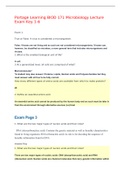
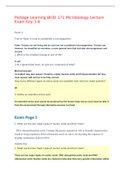
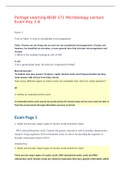
  • Portage Learning BIOD 171 Microbiology Lecture Exam Key 1-6 Exam 1. True or False: A virus is considered a microorganism. False. Viruses are not living and as such are not considered microorganisms. Viruses can, however, be classified as microbes, a more general term that includes microorganisms and viruses. 2. What is the smallest biological unit of life? A cell. 3. At a generalized level, all cells are comprised of what? Macromolecules* *A student may also answer: Proteins,...
  • WINNIESTAR446
    $15.59 More Info
Portage Learning BIOD 171 Microbiology Lecture Exam Key 1-6
  • Exam (elaborations)

    Portage Learning BIOD 171 Microbiology Lecture Exam Key 1-6

  • Portage Learning BIOD 171 Microbiology Lecture Exam Key 1-6 Exam 1. True or False: A virus is considered a microorganism. False. Viruses are not living and as such are not considered microorganisms. Viruses can, however, be classified as microbes, a more general term that includes microorganisms and viruses. 2. What is the smallest biological unit of life? A cell. 3. At a generalized level, all cells are comprised of what? Macromolecules* *A student may also answer: Proteins,...
  • WINNIESTAR446
    $15.69 More Info
Portage Learning BIOD 171 Microbiology Lecture Exam Key 1-6
  • Exam (elaborations)

    Portage Learning BIOD 171 Microbiology Lecture Exam Key 1-6

  • Portage Learning BIOD 171 Microbiology Lecture Exam Key 1-6 Exam 1. True or False: A virus is considered a microorganism. False. Viruses are not living and as such are not considered microorganisms. Viruses can, however, be classified as microbes, a more general term that includes microorganisms and viruses. 2. What is the smallest biological unit of life? A cell. 3. At a generalized level, all cells are comprised of what? Macromolecules* *A student may also answer: Proteins,...
  • Euniecubes
    $14.99 More Info
Portage Learning BIOD 171 Microbiology Lecture Exam Key 1-6
  • Exam (elaborations)

    Portage Learning BIOD 171 Microbiology Lecture Exam Key 1-6

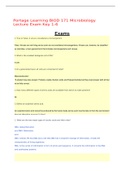
  • Portage Learning BIOD 171 Microbiology Lecture Exam Key 1-6 Exams 1. What are the two major types of nucleic acids and their roles? DNA- deoxyribonucleic acid RNA- Ribonucleic acid DNA- Cellular life has DNA and a role that DNA has is long-term storage of information, it holds the characteristics of living organisms. RNA- Is the carrier of information in form of amino acid sequence. It converts the information in the DNA and synthesizes proteins Tru...
  • Euniecubes
    $15.79 More Info
Portage Learning BIOD 171 Microbiology Lecture Exam Key 1-6
  • Exam (elaborations)

    Portage Learning BIOD 171 Microbiology Lecture Exam Key 1-6

  • Portage Learning BIOD 171 Microbiology Lecture Exam Key 1-6 Exam 1. True or False: A virus is considered a microorganism. False. Viruses are not living and as such are not considered microorganisms. Viruses can, however, be classified as microbes, a more general term that includes microorganisms and viruses. 2. What is the smallest biological unit of life? A cell. 3. At a generalized level, all cells are comprised of what? Macromolecules* *A student may also answer: Proteins,...
  • swrealg
    $15.99 More Info
Portage Learning BIOD 171 Microbiology Lecture Exam Key 1-6
  • Exam (elaborations)

    Portage Learning BIOD 171 Microbiology Lecture Exam Key 1-6

  • Portage Learning BIOD 171 Microbiology Lecture Exam Key 1-6 Exam 1. True or False: A virus is considered a microorganism. False. Viruses are not living and as such are not considered microorganisms. Viruses can, however, be classified as microbes, a more general term that includes microorganisms and viruses. 2. What is the smallest biological unit of life? A cell. 3. At a generalized level, all cells are comprised of what? Macromolecules* *A student may also answer: Proteins,...
  • swrealg
    $15.49 More Info
Portage Learning BIOD 171 Microbiology Lecture Exam Key 1-6
  • Exam (elaborations)

    Portage Learning BIOD 171 Microbiology Lecture Exam Key 1-6

  • Portage Learning BIOD 171 Microbiology Lecture Exam Key 1-6 Exams 1. What are the two major types of nucleic acids and their roles? DNA- deoxyribonucleic acid RNA- Ribonucleic acid DNA- Cellular life has DNA and a role that DNA has is long-term storage of information, it holds the characteristics of living organisms. RNA- Is the carrier of information in form of amino acid sequence. It converts the information in the DNA and synthesizes proteins Tru...
  • Euniecubes
    $14.49 More Info
Portage Learning BIOD 171 Microbiology Lecture Exam
  • Exam (elaborations)

    Portage Learning BIOD 171 Microbiology Lecture Exam

  • Portage Learning BIOD 171 Microbiology Lecture Exam Key 1-6 Exam 1. True or False: A virus is considered a microorganism. False. Viruses are not living and as such are not considered microorganisms. Viruses can, however, be classified as microbes, a more general term that includes microorganisms and viruses. 2. What is the smallest biological unit of life? A cell. 3. At a generalized level, all cells are comprised of what? Macromolecules* *A student may also answer: Proteins,...
  • swrealg
    $14.99 More Info
Portage Learning BIOD 171 Microbiology Lecture Exam
  • Exam (elaborations)

    Portage Learning BIOD 171 Microbiology Lecture Exam

  • Portage Learning BIOD 171 Microbiology Lecture Exam Key 1-6 Exam 1. True or False: A virus is considered a microorganism. False. Viruses are not living and as such are not considered microorganisms. Viruses can, however, be classified as microbes, a more general term that includes microorganisms and viruses. 2. What is the smallest biological unit of life? A cell. 3. At a generalized level, all cells are comprised of what? Macromolecules* *A student may also answer: Proteins,...
  • swrealg
    $14.89 More Info
Portage Learning BIOD 171 Microbiology Lecture Exam Key 1-6
  • Exam (elaborations)

    Portage Learning BIOD 171 Microbiology Lecture Exam Key 1-6

  • Portage Learning BIOD 171 Microbiology Lecture Exam Key 1-6 Exams 1. What are the two major types of nucleic acids and their roles? DNA- deoxyribonucleic acid RNA- Ribonucleic acid DNA- Cellular life has DNA and a role that DNA has is long-term storage of information, it holds the characteristics of living organisms. RNA- Is the carrier of information in form of amino acid sequence. It converts the information in the DNA and synthesizes proteins Tru...
  • swrealg
    $14.79 More Info
Portage Learning BIOD 171 Microbiology Lecture Exam Key 1-6
  • Exam (elaborations)

    Portage Learning BIOD 171 Microbiology Lecture Exam Key 1-6

  • Portage Learning BIOD 171 Microbiology Lecture Exam Key 1-6 Exam 1. True or False: A virus is considered a microorganism. False. Viruses are not living and as such are not considered microorganisms. Viruses can, however, be classified as microbes, a more general term that includes microorganisms and viruses. 2. What is the smallest biological unit of life? A cell. 3. At a generalized level, all cells are comprised of what? Macromolecules* *A student may also answer: Proteins,...
  • simoncube
    $15.49 More Info
Portage Learning BIOD 171 Microbiology Lecture Exam Key 1-6
  • Exam (elaborations)

    Portage Learning BIOD 171 Microbiology Lecture Exam Key 1-6

  • Portage Learning BIOD 171 Microbiology Lecture Exam Key 1-6 Exam 1. True or False: A virus is considered a microorganism. False. Viruses are not living and as such are not considered microorganisms. Viruses can, however, be classified as microbes, a more general term that includes microorganisms and viruses. 2. What is the smallest biological unit of life? A cell. 3. At a generalized level, all cells are comprised of what? Macromolecules* *A student may also answer: Proteins,...
  • swrealg
    $14.89 More Info
Portage Learning BIOD 171 Microbiology Lecture Exam Key 1-6
  • Exam (elaborations)

    Portage Learning BIOD 171 Microbiology Lecture Exam Key 1-6

  • Portage Learning BIOD 171 Microbiology Lecture Exam Key 1-6 Exams 1. What are the two major types of nucleic acids and their roles? DNA- deoxyribonucleic acid RNA- Ribonucleic acid DNA- Cellular life has DNA and a role that DNA has is long-term storage of information, it holds the characteristics of living organisms. RNA- Is the carrier of information in form of amino acid sequence. It converts the information in the DNA and synthesizes proteins Tru...
  • swrealg
    $14.59 More Info
Portage Learning BIOD 171 Microbiology Lecture Exam Key 1-6
  • Exam (elaborations)

    Portage Learning BIOD 171 Microbiology Lecture Exam Key 1-6

  • Portage Learning BIOD 171 Microbiology Lecture Exam Key 1-6 Exam 1. True or False: A virus is considered a microorganism. False. Viruses are not living and as such are not considered microorganisms. Viruses can, however, be classified as microbes, a more general term that includes microorganisms and viruses. 2. What is the smallest biological unit of life? A cell. 3. At a generalized level, all cells are comprised of what? Macromolecules* *A student may also answer: Proteins,...
  • simoncube
    $14.89 More Info
Portage Learning BIOD 171 Microbiology Lecture Exam Key 1-6
  • Exam (elaborations)

    Portage Learning BIOD 171 Microbiology Lecture Exam Key 1-6

  • Portage Learning BIOD 171 Microbiology Lecture Exam Key 1-6 Exams 1. What are the two major types of nucleic acids and their roles? DNA- deoxyribonucleic acid RNA- Ribonucleic acid DNA- Cellular life has DNA and a role that DNA has is long-term storage of information, it holds the characteristics of living organisms. RNA- Is the carrier of information in form of amino acid sequence. It converts the information in the DNA and synthesizes proteins Tru...
  • simoncube
    $22.99 More Info
Get paid weekly? You can!
That summary you just bought made someone very happy. Also get paid weekly? Sell your study resources on Stuvia!