
Aden university medical school
Latest uploads at Aden university medical school. Looking for notes at Aden university medical school? We have lots of notes, study guides and study notes available for your school.
-
79
- 0
- 0
All courses for Aden university medical school
Latest content Aden university medical school
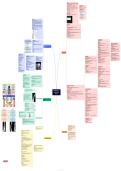
A simple visual map of long bone fracture management from first assessment to definitive care. It includes initial care (ATLS, neurovascular check, immobilization), diagnosis (X-ray), and treatment (casting/traction or surgery: ORIF, IM nailing, external fixation), followed by follow-up and complication monitoring. Designed for fast recall, OSCE prep, and clear orthopedic revision.
- Summary
- • 1 pages's •
-
Aden university medical school•107
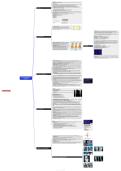
A clean, structured mind map that simplifies bone tumors into an easy and memorable classification for fast revision. It organizes tumors into benign vs malignant with key examples and exam-relevant clues. Benign: osteochondroma, osteoid osteoma, enchondroma Malignant: osteosarcoma, Ewing sarcoma, chondrosarcoma
- Summary
- • 1 pages's •
-
Aden university medical school•107
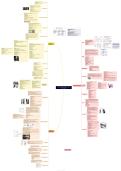
A concise, exam-focused visual map that simplifies fracture complications into an easy-to-recall structure for fast learning and revision. Early complications: hemorrhage, neurovascular injury, compartment syndrome, fat embolism, infection. Late complications: delayed union, non-union, malunion, avascular necrosis, joint stiffness, post-traumatic arthritis. Designed for fast recall, OSCE prep, and high-yield orthopedic revision.
- Summary
- • 1 pages's •
-
Aden university medical school•107
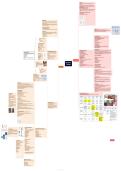
A clear and visually structured mind map that simplifies the core principles of bone (fracture) treatment into an easy, organized approach. It highlights essential concepts including reduction, immobilization, and rehabilitation, along with indications for conservative versus surgical management. The map also explains key factors affecting healing, proper alignment, stability, and prevention of complications.
- Summary
- • 1 pages's •
-
Aden university medical school•107
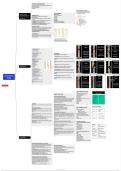
It covers key concepts including types of fractures, mechanisms of injury, and classification, along with important clinical features and complications. The map also breaks down the stages of bone healing—from inflammation to remodeling—making complex processes easy to visualize and remember. Designed to help you quickly grasp diagnosis, interpret imaging, and understand both conservative and surgical management options.
- Summary
- • 1 pages's •
-
Aden university medical school•107
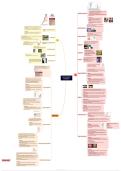
It covers a wide range of topics including deformities, tendon injuries, nerve compressions, cysts, and infections, helping you understand both common and high-yield clinical scenarios. The map highlights key conditions such as Dupuytren’s contracture, trigger finger, carpal tunnel syndrome, ganglion cysts, and characteristic deformities, along with their causes, clinical features, and management.
- Summary
- • 1 pages's •
-
Aden university medical school•107
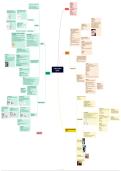
It covers essential topics including fractures, dislocations, tendon and ligament injuries, along with common conditions like scaphoid fractures and carpal instability. The map highlights key mechanisms of injury, clinical features, important examination points, and red flags. Designed to help you quickly understand diagnosis, interpret imaging, and choose the appropriate management—whether conservative or surgical
- Summary
- • 1 pages's •
-
Aden university medical school•107
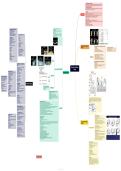
A comprehensive and visually structured mind map that simplifies shoulder and elbow conditions, with a strong focus on trauma and causes of shoulder pain. It organizes key topics including rotator cuff disorders, shoulder dislocation, fractures, impingement, and joint injuries into clear, easy-to-follow sections. The map also highlights important clinical points such as red flags, referral criteria, diagnostic approach, and management options.
- Summary
- • 1 pages's •
-
Aden university medical school•107
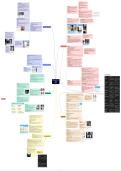
This map breaks down complex topics like rheumatoid arthritis, osteoarthritis, septic arthritis, gout, and seronegative spondyloarthropathies into easy-to-follow sections—covering etiology, pathophysiology, clinical features, investigations, and management. A comprehensive and visually structured mind map covering joint diseases (arthritis) in a clear, simplified format. It integrates all major categories including inflammatory, degenerative, infectious, and crystal-induced disorders.
- Summary
- • 1 pages's •
-
Aden university medical school•107
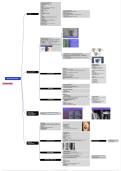
A clear and visually structured mind map covering bone infections (osteomyelitis). It simplifies key concepts including causes, routes of spread, risk factors, and core pathophysiology (sequestrum & involucrum). Designed to help you quickly recognize clinical features, understand diagnostic tools, and memorize management steps with ease.
- Summary
- • 1 pages's •
-
Aden university medical school•107
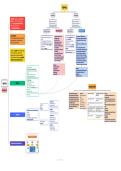
This mind map simplifies leprosy into a clear, visual format—covering Mycobacterium leprae, transmission, and disease spectrum (tuberculoid, lepromatous, borderline). It highlights key features like hypopigmented patches with sensory loss and nerve involvement, along with essential diagnostic methods and multidrug therapy. Perfect for quick revision, exams, and OSCE prep.
- Summary
- • 1 pages's •
-
Aden University Medical School•103
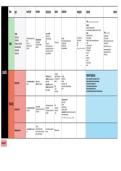
This mind map presents a high-yield comparison between scabies and pediculosis in a clear, side-by-side table format—ideal for quick revision and exam recall. It covers key differences in causative organisms, mode of transmission, typical sites of infestation, and characteristic clinical features. The table highlights hallmark findings such as intense nocturnal itching and burrows in scabies versus visible lice and nits in pediculosis. Management is simplified by comparing first-line treatm...
- Summary
- • 1 pages's •
-
Aden University Medical School•103

This mind map presents a clear, side-by-side comparison of the main types of eczema, making it easy to spot differences at a glance. It covers key aspects including causes, triggers, distribution, clinical features, and typical patient profiles. The table highlights distinctions between atopic, contact, seborrheic, and dyshidrotic eczema—helping you quickly differentiate them in exams and clinical scenarios. Designed for fast revision, it simplifies complex dermatology into an organized, hi...
- Summary
- • 1 pages's •
-
Aden University Medical School•103

This mind map provides a clear and structured overview of psoriasis, a chronic inflammatory skin disease with immune-mediated pathogenesis. It covers key aspects including risk factors and triggers (genetics, stress, infections, drugs), along with the underlying pathophysiology involving rapid keratinocyte turnover. The map classifies the main clinical types such as plaque, guttate, pustular, and erythrodermic psoriasis. It highlights characteristic clinical features like well-defined erythema...
- Summary
- • 1 pages's •
-
Aden University Medical School•103

This mind map provides a structured overview of bacterial skin infections in dermatology, organizing conditions based on depth and severity of infection. It covers superficial infections like impetigo, deeper infections such as cellulitis and erysipelas, and localized collections like abscesses and boils. The map highlights common causative organisms (e.g., Staphylococcus aureus and Streptococcus pyogenes), along with key risk factors and routes of infection. It also outlines clinical features...
- Summary
- • 1 pages's •
-
Aden University Medical School•103
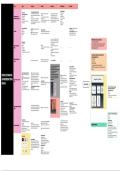
This mind map provides a focused dermatology overview of drug eruptions, highlighting how medications cause various skin reactions ranging from mild to life-threatening. It classifies eruptions into common types (maculopapular rash, urticaria, fixed drug eruption) and severe cutaneous adverse reactions such as Stevens–Johnson syndrome (SJS), toxic epidermal necrolysis (TEN), and DRESS syndrome. The map emphasizes key causative drugs (e.g., antibiotics, anticonvulsants, NSAIDs), along with cl...
- Summary
- • 1 pages's •
-
Aden University Medical School•103
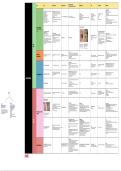
This mind map provides a clear and organized overview of viral infections in dermatology, covering the most common conditions affecting the skin and mucous membranes. It classifies infections based on the causative viruses such as herpes viruses (HSV, VZV), human papillomavirus (HPV), and others, with a focus on their transmission, clinical features, and typical lesions (vesicles, warts, rashes). The map highlights key diagnostic methods and outlines management options, including antiviral the...
- Summary
- • 1 pages's •
-
Aden University Medical School•103

This mind map provides a structured overview of bullous (blistering) skin diseases, focusing on major autoimmune conditions such as pemphigus, bullous pemphigoid, and dermatitis herpetiformis. It explains their pathophysiology (autoantibodies against desmosomes vs hemidesmosomes), along with key triggers, clinical features, and differences in blister types (flaccid vs tense). The map highlights important diagnostic tools such as biopsy and immunofluorescence, and outlines management strategies...
- Summary
- • 1 pages's •
-
Aden University Medical School•103
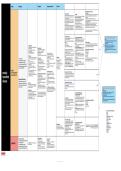
This mind map provides a structured overview of sexually transmitted diseases, with a strong focus on syphilis as a key model infection. It covers risk factors, transmission, and causative organism, followed by a clear breakdown of clinical stages (primary, secondary, latent, and tertiary), highlighting their distinct features and complications. The map also explains diagnostic methods including serological tests, along with management strategies, treatment regimens, and prevention. Special at...
- Summary
- • 1 pages's •
-
Aden University Medical School•103

This mind map provides a clear and structured overview of skin tumors, starting from premalignant lesions (actinic keratosis, Bowen disease, leukoplakia) to benign melanocytic nevi and malignant cancers. It outlines important risk factors such as UV exposure and HPV, along with key clinical features and differential diagnoses. It also covers major skin cancers including basal cell carcinoma, squamous cell carcinoma, and melanoma, with emphasis on their presentation and behavior. Special focus ...
- Summary
- • 1 pages's •
-
Aden University Medical School•103