Blue Print
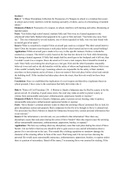
1. Cause of ESRD
A. DM, HTN, Chronic GN, interstitial nephritis, other-obstructive uropathy, Lupus, HIV
2. CKD Stages - when to refer, when does HD being
A. Kidney damage causes loss of filtration and retention of waste products in blood.
B. AKI is abrupt loss of kidney function that occurs over 7 days or less.
C. CKD is structural and function kidney abnormalities x3 months with or w/o a decrease in
GFR (<60 mL), decreased GFR with or w/o evidence of kidney damage, or albuminuria x3
months
D. Stages:
1. Kidney damage with normal GFR >90
2. Kidney damage with mild GFR 89-60
3.
a. Mild to moderate GFR changes 45-59
b. Moderate GFR 30-45
4. Severe GFR 15-30
5. Kidney failure <15 or dialysis
E. Clinical presentation
1 & 2. No symptoms. HTN and DM present. CKD identified during routine lab tests and
urine for protein
3. No symptoms. Complications begin to develop —> anemia. Metabolic bone disease,
decrease PO and excretion, fluid retention
4. Complications worsen and so do signs/symptoms —> fatigue, change in bone
density, edema/fluid retention
5. N/V/decreased appetite, systemic body symptoms
F. Diagnostics: serum CR+ and cGFR and first morning or random urine for albumin.
P/C ratio is gold standard for CKD
G. Refer to nephrologist
A. GFR <45 or if GFR <30 mL/min if over 70 years.
B. Significant proteinuria
C. Metabolic complications (bone mineral disease, lipid disorders, anemia)
D. Rapid decline in renal function
E. REFER AT STAGE 3
H. Dialysis treatment
A. Indications: A E I O U
, B. Acidosis lallcalosis, electrolyte imbalances, intoxication, fluid overload
C. Relative indications: GFR <10 or GFR <15 if DM
D. Contraindications: severe irreversible dementia, debilitating chronic
disease and malignancy
E. Adjust meds: d/c metformin + biphosphonate
F. Avoid nephrotoxic agents, avoid Mg + aluminum antacids + laxatives
3. Hematuria - differentials, upper vs. lower urinary tract (upper = pyelonephritis or
ureteritis, lower = cystitis or urethritis)
1. 3 or more RBC’s per high powered field. Transient- occurs on one occasion.
Persistent-occurs on 2 or more consecutive occasions. Causes are glomerular or
extraglomerular
2. Extraglomerular: red or pink color, possible clots, <500 mg/day of proteinuria,
normal RBC morphology, absent RBC casts
3. Glomerular: red, brown, “Coca Cola”, absent clots, protein may be more than
500 mg/day, dysmorphic RBC morphology, RBC casts may be present
4. Clinical presentation - Determine cause
1. Age, gender, level of activity: long distance runners have increases rates
of hematuria
2. Accomp. By pyuria: infectious process
3. Accomp. By colicky flank pain: ureteral
4. Accomp. By hemoptysis, ARF: good pasture syndrome
5. Edema, HTN, sore throat, skin infection - glomerulonephritis
6. Congenital deafness - alport syndrome
7. Up to 23% of pts with gross hematuria have urinary tract malignant
neoplasm —> cystoscopy + imaging of upper urinary tract must be done
4. Kidney stones
1. Clinical presentation: symptoms based on size and location. Acute renal or
urethral colic, N/V, fever and chills, dysuria, increased urinary frequency, vague
abdominal flank or groin pain
A. Causes
A. Calcium stones (most complex and common): Radiopaque and limited to 1 cm
in size. Alt ingestion of food high in oxalate - nuts, cocoa, tea, green leafy
vegetables. Alt small bowel disorders - Crohn’s, gastric bypass, celiac sprue.
, Management focused on omitting foods high in oxalate (pop, vitamin c,
chocolate, peanuts). Thiazide diuretics and allopurinol are useful
B. Uric acid stones (occur primarily in patients in whom a persistently acid urine,
pH <5.5, promotes uric acid precipitation. Gout patients, DM, dehydration)
Management aimed at optimal urine output of 2.5 to 3 mL/day to prevent
supersaturation
C. Struvite stones (chronic UTI d/t a urease productive organism such as proteus or
klebsiella - if not adequately treated can turn into stag horn? or branched
calculus involving entire renal collecting system requiring medication or surgical
intervention) nonpharm management has minimal impact. Antimicrobial
treatment needed to sterilize urine and then need surgical treatment
B. Diagnostics
A. Non-contrast CT: Gold standard - can detect both stone and obstruction. Can
also define alternate significant diagnosis
B. Abdominal plain film: will identify radiopaque stones - will miss radiolucent uric
acid stones
C. Ultrasound: procedure of choice for pregnancy and children
C. Management
A. Increase fluid intake (2L/day). Most can be managed through oral hydration, pain
management.
B. Calcium restriction is not recommended
C. Nifedipine and Tamuiosin can also aid in stone passage
D. Passage*
A. Stones smaller than 3 mm pass spontaneous
B. Stones 4-6 mm pass approximately 50% of patients
C. Referral for removal needed if: surgical management, ESWL, PCNL,
5. UTI
UTI- acute or chronic infection and/or inflammation of the bladder, urethra, prostate, or ureter
(any portion ow lower urinary tract); normally sterile environment invaded by bacteria typically
due to fecal urethral invasion or vaginal secretions
● 6 categories of classification:
○ Uncomplicated-healthy, immunocompetent, non-pregnant females with no
significant history of UTI
■ Uncommon occurrence
○ Complicated- ALL MEN or
1. Cause of ESRD
A. DM, HTN, Chronic GN, interstitial nephritis, other-obstructive uropathy, Lupus, HIV
2. CKD Stages - when to refer, when does HD being
A. Kidney damage causes loss of filtration and retention of waste products in blood.
B. AKI is abrupt loss of kidney function that occurs over 7 days or less.
C. CKD is structural and function kidney abnormalities x3 months with or w/o a decrease in
GFR (<60 mL), decreased GFR with or w/o evidence of kidney damage, or albuminuria x3
months
D. Stages:
1. Kidney damage with normal GFR >90
2. Kidney damage with mild GFR 89-60
3.
a. Mild to moderate GFR changes 45-59
b. Moderate GFR 30-45
4. Severe GFR 15-30
5. Kidney failure <15 or dialysis
E. Clinical presentation
1 & 2. No symptoms. HTN and DM present. CKD identified during routine lab tests and
urine for protein
3. No symptoms. Complications begin to develop —> anemia. Metabolic bone disease,
decrease PO and excretion, fluid retention
4. Complications worsen and so do signs/symptoms —> fatigue, change in bone
density, edema/fluid retention
5. N/V/decreased appetite, systemic body symptoms
F. Diagnostics: serum CR+ and cGFR and first morning or random urine for albumin.
P/C ratio is gold standard for CKD
G. Refer to nephrologist
A. GFR <45 or if GFR <30 mL/min if over 70 years.
B. Significant proteinuria
C. Metabolic complications (bone mineral disease, lipid disorders, anemia)
D. Rapid decline in renal function
E. REFER AT STAGE 3
H. Dialysis treatment
A. Indications: A E I O U
, B. Acidosis lallcalosis, electrolyte imbalances, intoxication, fluid overload
C. Relative indications: GFR <10 or GFR <15 if DM
D. Contraindications: severe irreversible dementia, debilitating chronic
disease and malignancy
E. Adjust meds: d/c metformin + biphosphonate
F. Avoid nephrotoxic agents, avoid Mg + aluminum antacids + laxatives
3. Hematuria - differentials, upper vs. lower urinary tract (upper = pyelonephritis or
ureteritis, lower = cystitis or urethritis)
1. 3 or more RBC’s per high powered field. Transient- occurs on one occasion.
Persistent-occurs on 2 or more consecutive occasions. Causes are glomerular or
extraglomerular
2. Extraglomerular: red or pink color, possible clots, <500 mg/day of proteinuria,
normal RBC morphology, absent RBC casts
3. Glomerular: red, brown, “Coca Cola”, absent clots, protein may be more than
500 mg/day, dysmorphic RBC morphology, RBC casts may be present
4. Clinical presentation - Determine cause
1. Age, gender, level of activity: long distance runners have increases rates
of hematuria
2. Accomp. By pyuria: infectious process
3. Accomp. By colicky flank pain: ureteral
4. Accomp. By hemoptysis, ARF: good pasture syndrome
5. Edema, HTN, sore throat, skin infection - glomerulonephritis
6. Congenital deafness - alport syndrome
7. Up to 23% of pts with gross hematuria have urinary tract malignant
neoplasm —> cystoscopy + imaging of upper urinary tract must be done
4. Kidney stones
1. Clinical presentation: symptoms based on size and location. Acute renal or
urethral colic, N/V, fever and chills, dysuria, increased urinary frequency, vague
abdominal flank or groin pain
A. Causes
A. Calcium stones (most complex and common): Radiopaque and limited to 1 cm
in size. Alt ingestion of food high in oxalate - nuts, cocoa, tea, green leafy
vegetables. Alt small bowel disorders - Crohn’s, gastric bypass, celiac sprue.
, Management focused on omitting foods high in oxalate (pop, vitamin c,
chocolate, peanuts). Thiazide diuretics and allopurinol are useful
B. Uric acid stones (occur primarily in patients in whom a persistently acid urine,
pH <5.5, promotes uric acid precipitation. Gout patients, DM, dehydration)
Management aimed at optimal urine output of 2.5 to 3 mL/day to prevent
supersaturation
C. Struvite stones (chronic UTI d/t a urease productive organism such as proteus or
klebsiella - if not adequately treated can turn into stag horn? or branched
calculus involving entire renal collecting system requiring medication or surgical
intervention) nonpharm management has minimal impact. Antimicrobial
treatment needed to sterilize urine and then need surgical treatment
B. Diagnostics
A. Non-contrast CT: Gold standard - can detect both stone and obstruction. Can
also define alternate significant diagnosis
B. Abdominal plain film: will identify radiopaque stones - will miss radiolucent uric
acid stones
C. Ultrasound: procedure of choice for pregnancy and children
C. Management
A. Increase fluid intake (2L/day). Most can be managed through oral hydration, pain
management.
B. Calcium restriction is not recommended
C. Nifedipine and Tamuiosin can also aid in stone passage
D. Passage*
A. Stones smaller than 3 mm pass spontaneous
B. Stones 4-6 mm pass approximately 50% of patients
C. Referral for removal needed if: surgical management, ESWL, PCNL,
5. UTI
UTI- acute or chronic infection and/or inflammation of the bladder, urethra, prostate, or ureter
(any portion ow lower urinary tract); normally sterile environment invaded by bacteria typically
due to fecal urethral invasion or vaginal secretions
● 6 categories of classification:
○ Uncomplicated-healthy, immunocompetent, non-pregnant females with no
significant history of UTI
■ Uncommon occurrence
○ Complicated- ALL MEN or