neck abnormalities
Give this one a try later!
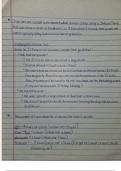
1. torticollis = babies if there is head cocked
2. goiter = enlarged thyroid
3. thryoid = enlargement during pregnancy, fibrous in aged
patients
what does it mean if the patient has 20/50 vision?
Give this one a try later!
the patient can read at 20 feet what the normal eye can see at 50 feet
,physical exam sequence
Give this one a try later!
1. hand hygiene
2. inspection
3. palpation
4. percussion
5. auscultation
objective data (neck)
Give this one a try later!
inspect :
1. symmetry/midline = trachea, thyroid
2. ROM (up, down, side)
3. note masses and vessel prominence (bounding)
4. watch patient swallow and move neck
palpate :
1. lymph nodes (healthy if cant see or are not swollen)
2. trachea
3. thyroid
4. note masses
auscultate : carotids (not at same time)
objective data (thyroid)
Give this one a try later!
, 1. find landmarks (isthmus, right lobe, left lobe)
2. may not be palpable
3. have patient extend neck & swallow or sip water
4. located below thyroid cartilage and cricoid cartilage
5. place fingers of both hands just below cricoid cartilage
6. displace left to right feeling for masses, tenderness, or
enlargement
terminology of eye
Give this one a try later!
- oculus sinister (OS) (left eye)
- oculus dexter (OD) (right eye)
abnormalities (head and face)
Give this one a try later!
1. hydrocephalus = extra drainage of cerebrospinal fluid
which causes enlargement of head
2. acromegaly = excessive growth hormone results in
enlarged skull, large face
3. downs syndrome = narrow mouth, large tongue, shorter
neck
4. fetal alcohol syndrome = smooth ridge, smaller head size
5. lupus (butterfly rash)
Give this one a try later!
1. torticollis = babies if there is head cocked
2. goiter = enlarged thyroid
3. thryoid = enlargement during pregnancy, fibrous in aged
patients
what does it mean if the patient has 20/50 vision?
Give this one a try later!
the patient can read at 20 feet what the normal eye can see at 50 feet
,physical exam sequence
Give this one a try later!
1. hand hygiene
2. inspection
3. palpation
4. percussion
5. auscultation
objective data (neck)
Give this one a try later!
inspect :
1. symmetry/midline = trachea, thyroid
2. ROM (up, down, side)
3. note masses and vessel prominence (bounding)
4. watch patient swallow and move neck
palpate :
1. lymph nodes (healthy if cant see or are not swollen)
2. trachea
3. thyroid
4. note masses
auscultate : carotids (not at same time)
objective data (thyroid)
Give this one a try later!
, 1. find landmarks (isthmus, right lobe, left lobe)
2. may not be palpable
3. have patient extend neck & swallow or sip water
4. located below thyroid cartilage and cricoid cartilage
5. place fingers of both hands just below cricoid cartilage
6. displace left to right feeling for masses, tenderness, or
enlargement
terminology of eye
Give this one a try later!
- oculus sinister (OS) (left eye)
- oculus dexter (OD) (right eye)
abnormalities (head and face)
Give this one a try later!
1. hydrocephalus = extra drainage of cerebrospinal fluid
which causes enlargement of head
2. acromegaly = excessive growth hormone results in
enlarged skull, large face
3. downs syndrome = narrow mouth, large tongue, shorter
neck
4. fetal alcohol syndrome = smooth ridge, smaller head size
5. lupus (butterfly rash)