Ftrghdnmcmvxc jhhdf jhijdlsmds jkfldfdf 8u90343 33434938uhnfdfd
The vhgsvd s jsdgsdvsd sshjsv sdsjdbs dhdsgdjsbd sd
eeeerfe
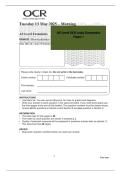
A-Level OCR 2025
Economics
The heisy jjfdf hijlfsdf fdjfjdfdfd fjdfhsoddhsd Paper
ssjfofs ffjfs 1 Mark
4343GCE Scheme
ytytefdnfnfhhggggggggggghhhhhghhhhgggg
eeeeEconomics
Oiu9i090898878676676tyggv hbhjhfdsddvbj
eaeeH460/01: Microeconomics
Uy768798675rdfvbnmpoiugfvcghj
4 444A Level
ytsdfsvbxncxiuctfgsvdbscocjkddffdfddf
eerMark Scheme for June 2025
Iyuttfgnoiuytfdgfg0n9865667679u8y7t6re54wsdfg
Oxford Cambridge and RSA Examinations
,Ytgvbe fefgye e6rr6y3r r837rygw skfmxihgfvs sfejfugdvs djdfgfiukemf dfxhfhekd sfxfhekf x
OCR (Oxford Cambridge and RSA) is a leading UK awarding body, providing a
wide range of qualifications to meet the needs of candidates of all ages and abilities.
OCR qualifications include AS/A Levels, Diplomas, GCSEs, Cambridge Nationals,
Cambridge Technicals, Functional Skills, Key Skills, Entry Level qualifications,
NVQs and vocational qualifications in areas such as IT, business, languages,
teaching/training, administration and secretarial skills.
It is also responsible for developing new specifications to meet national
requirements and the needs of students and teachers. OCR is a not-for-profit
organisation; any surplus made is invested back into the establishment to help
towards the development of qualifications and support, which keep pace with the
changing needs of today’s society.
This mark scheme is published as an aid to teachers and students, to indicate the
requirements of the examination. It shows the basis on which marks were awarded
by examiners. It does not indicate the details of the discussions which took place at
an examiners’ meeting before marking commenced.
All examiners are instructed that alternative correct answers and unexpected
approaches in candidates’ scripts must be given marks that fairly reflect the relevant
knowledge and skills demonstrated.
Mark schemes should be read in conjunction with the published question papers
and the report on the examination.
© OCR 2025
Oxford Cambridge and RSA Examinations
,H460/01 Mark Scheme June 2025
MARKING INSTRUCTIONS
PREPARATION FOR MARKING
RM ASSESSOR
1. Make sure that you have accessed and completed the relevant training packages for on-screen marking: RM Assessor Online Training: OCR
Essential Guide to Marking.
2. Make sure that you have read and understood the mark scheme and the question paper for this unit. These are available in RM A ssessor
3. Log-in to RM Assessor and mark the required number of practice responses (“scripts”) and the required number of standardisation responses.
MARKING
1. Mark strictly to the mark scheme.
2. Marks awarded must relate directly to the marking criteria.
3. The schedule of dates is very important. It is essential that you meet the RM Assessor 50% and 100% (traditional 40% Batch 1 and 100% Batch 2)
deadlines. If you experience problems, you must contact your Team Leader (Supervisor) without delay.
4. If you are in any doubt about applying the mark scheme, consult your Team Leader by telephone, email or via the RM Assessor messaging system.
5. Crossed-Out Responses
Where a candidate has crossed out a response and provided a clear alternative then the crossed -out response is not marked. Where no alternative
response has been provided, examiners may give candidates the benefit of the doubt and mark the crossed -out response where legible.
Rubric Error Responses – Optional Questions
Where candidates have a choice of question across a whole paper or a whole section and have provided more answers than requir ed, then all
responses are marked and the highest mark allowable within the rubric is given. Enter a mark for each question answere d into RM Assessor, which
will select the highest mark from those awarded. (The underlying assumption is that the candidate has penalised themselves by attempting more
questions than necessary in the time allowed.)
2
, H460/01 Mark Scheme June 2025
Multiple-Choice Question Responses
When a multiple-choice question has only a single, correct response and a candidate provides two responses (even if one of these responses is
correct), then no mark should be awarded (as it is not possible to determine which was the first response selected by the candidate).
When a question requires candidates to select more than one option/multiple options, then local marking arrangements need to ensure consistency of
approach.
Contradictory Responses
When a candidate provides contradictory responses, then no mark should be awarded, even if one of the answers is correct.
Short Answer Questions (requiring only a list by way of a response, usually worth only one mark per response)
Where candidates are required to provide a set number of short answer responses then only the set number of responses should be marked. The
response space should be marked from left to right on each line and then line by line until the required number of r esponses have been
considered. The remaining responses should not then be marked. Examiners will have to apply judgement as to whether a ‘second response’ o n a
line is a development of the ‘first response’, rather than a separate, discrete response. (The underlying assumption is that the candidate is attempting
to hedge their bets and therefore getting undue benefit rather than engaging with the question and giving the most relevant/c orrect responses.)
Short Answer Questions (requiring a more developed response, worth two or more marks)
If the candidates are required to provide a description of, say, three items or factors and four items or factors are provide d, then mark on a similar
basis – that is downwards (as it is unlikely in this situation that a candidate will provide more than one response in each section of the response
space).
Longer Answer Questions (requiring a developed response)
Where candidates have provided two (or more) responses to a medium or high tariff question which only required a single (deve loped) response and
not crossed out the first response, then only the first response should be marked. Examiners will need to apply professional judgement as to whether
the second (or a subsequent) response is a ‘new start’ or simply a poorly expressed continuation of the first response.
6. Always check the pages (and additional objects if present) at the end of the response in case any answers have been continued there. If the
candidate has continued an answer there, then add the annotation ‘SEEN’ to confirm that the work has been seen and mark any responses using the
annotations in section 11.
3
The vhgsvd s jsdgsdvsd sshjsv sdsjdbs dhdsgdjsbd sd
eeeerfe
A-Level OCR 2025
Economics
The heisy jjfdf hijlfsdf fdjfjdfdfd fjdfhsoddhsd Paper
ssjfofs ffjfs 1 Mark
4343GCE Scheme
ytytefdnfnfhhggggggggggghhhhhghhhhgggg
eeeeEconomics
Oiu9i090898878676676tyggv hbhjhfdsddvbj
eaeeH460/01: Microeconomics
Uy768798675rdfvbnmpoiugfvcghj
4 444A Level
ytsdfsvbxncxiuctfgsvdbscocjkddffdfddf
eerMark Scheme for June 2025
Iyuttfgnoiuytfdgfg0n9865667679u8y7t6re54wsdfg
Oxford Cambridge and RSA Examinations
,Ytgvbe fefgye e6rr6y3r r837rygw skfmxihgfvs sfejfugdvs djdfgfiukemf dfxhfhekd sfxfhekf x
OCR (Oxford Cambridge and RSA) is a leading UK awarding body, providing a
wide range of qualifications to meet the needs of candidates of all ages and abilities.
OCR qualifications include AS/A Levels, Diplomas, GCSEs, Cambridge Nationals,
Cambridge Technicals, Functional Skills, Key Skills, Entry Level qualifications,
NVQs and vocational qualifications in areas such as IT, business, languages,
teaching/training, administration and secretarial skills.
It is also responsible for developing new specifications to meet national
requirements and the needs of students and teachers. OCR is a not-for-profit
organisation; any surplus made is invested back into the establishment to help
towards the development of qualifications and support, which keep pace with the
changing needs of today’s society.
This mark scheme is published as an aid to teachers and students, to indicate the
requirements of the examination. It shows the basis on which marks were awarded
by examiners. It does not indicate the details of the discussions which took place at
an examiners’ meeting before marking commenced.
All examiners are instructed that alternative correct answers and unexpected
approaches in candidates’ scripts must be given marks that fairly reflect the relevant
knowledge and skills demonstrated.
Mark schemes should be read in conjunction with the published question papers
and the report on the examination.
© OCR 2025
Oxford Cambridge and RSA Examinations
,H460/01 Mark Scheme June 2025
MARKING INSTRUCTIONS
PREPARATION FOR MARKING
RM ASSESSOR
1. Make sure that you have accessed and completed the relevant training packages for on-screen marking: RM Assessor Online Training: OCR
Essential Guide to Marking.
2. Make sure that you have read and understood the mark scheme and the question paper for this unit. These are available in RM A ssessor
3. Log-in to RM Assessor and mark the required number of practice responses (“scripts”) and the required number of standardisation responses.
MARKING
1. Mark strictly to the mark scheme.
2. Marks awarded must relate directly to the marking criteria.
3. The schedule of dates is very important. It is essential that you meet the RM Assessor 50% and 100% (traditional 40% Batch 1 and 100% Batch 2)
deadlines. If you experience problems, you must contact your Team Leader (Supervisor) without delay.
4. If you are in any doubt about applying the mark scheme, consult your Team Leader by telephone, email or via the RM Assessor messaging system.
5. Crossed-Out Responses
Where a candidate has crossed out a response and provided a clear alternative then the crossed -out response is not marked. Where no alternative
response has been provided, examiners may give candidates the benefit of the doubt and mark the crossed -out response where legible.
Rubric Error Responses – Optional Questions
Where candidates have a choice of question across a whole paper or a whole section and have provided more answers than requir ed, then all
responses are marked and the highest mark allowable within the rubric is given. Enter a mark for each question answere d into RM Assessor, which
will select the highest mark from those awarded. (The underlying assumption is that the candidate has penalised themselves by attempting more
questions than necessary in the time allowed.)
2
, H460/01 Mark Scheme June 2025
Multiple-Choice Question Responses
When a multiple-choice question has only a single, correct response and a candidate provides two responses (even if one of these responses is
correct), then no mark should be awarded (as it is not possible to determine which was the first response selected by the candidate).
When a question requires candidates to select more than one option/multiple options, then local marking arrangements need to ensure consistency of
approach.
Contradictory Responses
When a candidate provides contradictory responses, then no mark should be awarded, even if one of the answers is correct.
Short Answer Questions (requiring only a list by way of a response, usually worth only one mark per response)
Where candidates are required to provide a set number of short answer responses then only the set number of responses should be marked. The
response space should be marked from left to right on each line and then line by line until the required number of r esponses have been
considered. The remaining responses should not then be marked. Examiners will have to apply judgement as to whether a ‘second response’ o n a
line is a development of the ‘first response’, rather than a separate, discrete response. (The underlying assumption is that the candidate is attempting
to hedge their bets and therefore getting undue benefit rather than engaging with the question and giving the most relevant/c orrect responses.)
Short Answer Questions (requiring a more developed response, worth two or more marks)
If the candidates are required to provide a description of, say, three items or factors and four items or factors are provide d, then mark on a similar
basis – that is downwards (as it is unlikely in this situation that a candidate will provide more than one response in each section of the response
space).
Longer Answer Questions (requiring a developed response)
Where candidates have provided two (or more) responses to a medium or high tariff question which only required a single (deve loped) response and
not crossed out the first response, then only the first response should be marked. Examiners will need to apply professional judgement as to whether
the second (or a subsequent) response is a ‘new start’ or simply a poorly expressed continuation of the first response.
6. Always check the pages (and additional objects if present) at the end of the response in case any answers have been continued there. If the
candidate has continued an answer there, then add the annotation ‘SEEN’ to confirm that the work has been seen and mark any responses using the
annotations in section 11.
3