TESTBANK qa
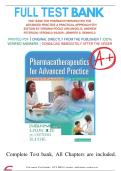
PharmacotherapeuticsforAdvanced PracticeNurse Prescribers, 6th Edition
qa qa qa qa qa qa qa
Author:Teri Moser Woo and WendyL. Wright
qa qa qa qa qa qa qa
, TABLE OF CONTENT qa qa
Chapter 1. The Role of the Advanced Practice Nurse as Prescriber ............................................................................ 4
qa qa qa qa qa qa qa qa qa qa
Chapter 2. Review of Basic Principles of Pharmacology .......................................................................................... 5
qa qa qa qa qa qa qa
Chapter 3. Rational Drug Selection ....................................................................................................................... 11
qa qa qa qa
Chapter 4. Legal and Professional Issues in Prescribing ......................................................................................... 14
qa qa qa qa qa qa qa
Chapter 5. Adverse Drug Reactions....................................................................................................................... 16
qa qa qa qa
Chapter 6. An Introduction to Pharmacogenomics................................................................................................. 19
qa qa qa qa qa
Chapter 7. Nutrition and Nutraceuticals ................................................................................................................ 22
qa qa qa qa
Chapter 8. Herbal Therapies.................................................................................................................................. 28
qa qa qa
Chapter 9. Cannabis.............................................................................................................................................. 31
qa qa
Chapter 10. Pharmacoeconomics .......................................................................................................................... 35
qa qa
Chapter 11. Drugs Affecting the Autonomic Nervous System ............................................................................... 38
qa qa qa qa qa qa qa
Chapter 12. Drugs Affecting the Central Nervous System ...................................................................................... 45
qa qa qa qa qa qa qa
Chapter 13. Drugs Affecting the Cardiovascular and Renal Systems ...................................................................... 53
qa qa qa qa qa qa qa qa
Chapter 14. Drugs Affecting the Respiratory System............................................................................................. 61
qa qa qa qa qa qa
Chapter 15. Drugs Affecting the Hematological System ........................................................................................ 65
qa qa qa qa qa qa
Chapter16. Drugs Affecting the Immune System: Vaccines and Immunoglobulins ............................................... 69
qa qa qa qa qa qa qa qa qa
Chapter17. Drugs Affecting the Immune System: Immunomodulators ................................................................. 75
qa qa qa qa qa qa qa
Chapter 18. Drugs Affecting the Gastrointestinal System ...................................................................................... 77
qa qa qa qa qa qa
Chapter19.DrugsAffectingtheEndocrineSystem:PancreaticHormonesand Antidiabetic Drugs .......................... 80
qa qa qa qa qa qa qa qa qa qa qa
Chapter20. Drugs Affecting the Endocrine System: Pituitary, Thyroid, and Adrenal Drugs ................................... 83
qa qa qa qa qa qa qa qa qa qa qa
Chapter 21. Drugs Affecting the Reproductive System .......................................................................................... 86
qa qa qa qa qa qa
Chapter 22. Drugs Affecting the Bones and Joints.................................................................................................. 92
qa qa qa qa qa qa qa
Chapter 23. Drugs Affecting the Integumentary System ........................................................................................ 96
qa qa qa qa qa qa
Chapter 24. Drugs Used to Treat Bacterial Infections ........................................................................................... 101
qa qa qa qa qa qa qa
Chapter 25. Drugs Used to Treat Viral, Fungal, and Protozoal Infections .............................................................. 105
qa qa qa qa qa qa qa qa qa qa
Chapter 26. Drugs Used to Treat Inflammatory Processes .................................................................................... 108
qa qa qa qa qa qa qa
Chapter 27. Drugs Used to Treat Eye and Ear Disorders ....................................................................................... 111
qa qa qa qa qa qa qa qa qa
Chapter 28. Anemia ............................................................................................................................................ 113
qa qa
Chapter 29. Anxiety and Depression ................................................................................................................... 116
qa qa qa qa
Chapter 30. Attention Deficit-Hyperactivity Disorder ........................................................................................ 120
qa qa qa qa
Chapter 31. Asthma and Allergy ......................................................................................................................... 122
qa qa qa qa
Chapter 32. Chronic Obstructive Pulmonary Disease .......................................................................................... 125
qa qa qa qa qa
Chapter 33. Contraception .................................................................................................................................. 127
qa qa
Chapter 34. COVID-19: Acute and Chronic ........................................................................................................ 130
qa qa qa qa qa
Chapter 35. Dermatological Conditions .............................................................................................................. 134
qa qa qa
Chapter 36. Diabetes Management ..................................................................................................................... 138
qa qa qa
Chapter37. Gastroesophageal Reflux and Peptic Ulcer Disease .......................................................................... 146
qa qa qa qa qa qa qa
Chapter 38. Headaches ....................................................................................................................................... 149
qa qa
Chapter 39. Heart Failure .................................................................................................................................... 153
qa qa qa
Chapter40. HIV Disease and Acquired Immunodeficiency Syndrome ................................................................ 158
qa qa qa qa qa qa qa
Chapter 41. Menopausal Hormone Therapy ........................................................................................................ 161
qa qa qa qa
,Chapter 42. Hyperlipidemia................................................................................................................................ 164
qa qa
Chapter 43. Hypertension ................................................................................................................................... 169
qa qa
Chapter 44. Hyperthyroidism and Hypothyroidism ............................................................................................. 174
qa qa qa qa
Chapter 45. Obesity ............................................................................................................................................ 177
qa qa
Chapter 46. Pain Management: Acute and Chronic Pain ...................................................................................... 181
qa qa qa qa qa qa qa
Chapter 47. Pneumonia....................................................................................................................................... 185
qa qa
Chapter 48. Sexually Transmitted Diseases and Vaginitis.................................................................................... 187
qa qa qa qa qa qa
Chapter 49. Substance Use Disorders .................................................................................................................. 190
qa qa qa qa
Chapter 50. Tuberculosis .................................................................................................................................... 195
qa qa
Chapter51.UpperRespiratoryTract Infection,Pharyngitis,Sinusitis,OtitisMedia, and Otitis Externa .................. 197
qa qa qa qa qa qa qa qa qa qa qa qa
Chapter 52. Urinary Tract Infections ................................................................................................................... 200
qa qa qa qa
Chapter 53. Women as Patients ........................................................................................................................... 203
qa qa qa qa
Chapter 54. Men as Patients ................................................................................................................................ 207
qa qa qa qa
Chapter 55. Pediatric Patients ............................................................................................................................. 209
qa qa qa
Chapter 57. Geriatric Patients ............................................................................................................................. 213
qa qa qa
, Woo 1
PharmacotherapeuticsforAPN Prescribers,6e a
q a
q qa qa Ch01
Chapter1.The Role ofthe Advanced PracticeNurse asPrescriber
qa qa qa qa qa qa qa qa qa qa
MULTIPLE CHOICE qa
1. Nurse practitioner prescriptive authority is regulated by:
qa qa qa qa qa qa
A. The National Council of State Boards of Nursingqa qa qa qa qa qa qa
B. The U.S. Drug Enforcement Administration qa qa qa qa
C. The State Board of Nursing for each state qa qa qa qa qa qa qa
D. The State Board of Pharmacy qa qa qa qa
ANS: q a C PTS: q a q a 1
2. Thebenefitstothepatientofhavinganadvancedpracticeregisterednurse(APRN)prescriber
qa qa qa qa qa qa qa qa qa qa qa qa qa
include:
qa
A. Nursesknowmoreabout pharmacologythanotherprescribersbecausetheytakeit both
qa qa qa qa qa qa qa qa qa qa qa qa
in their basic nursing program and in their APRN program.
qa qa qa qa qa qa qa qa qa qa
B. Nursescareforthepatientfromaholisticapproach andincludethepatientin
qa qa qa qa qa qa qa qa qa qa qa qa qa
decision-making regarding their care.
qa qa qa qa
C. APRNs are less likely to prescribe narcotics and other controlledsubstances.
qa qa qa qa qa qa qa qa qa qa
D. APRNsareabletoprescribeindependentlyinallstates,whereasaphysician’s qa qa qa qa qa qa qa qa qa qa qa
assistant needs to have a physician supervising their practice.
qa qa qa qa qa qa qa qa qa
ANS: q a B PTS: q a q a 1
3. Clinical judgment in prescribing includes: qa qa qa qa
A. Factoring in the cost to the patient of the medication prescribed qa qa qa qa qa qa qa qa qa qa
B. Always prescribing the newest medication available for the diseaseprocessqa qa qa qa qa qa qa qa qa
C. Handing out drug samples to poor patients qa qa qa qa qa qa
D. Prescribing all generic medications to cutcosts qa qa qa qa qa qa
ANS: q a A PTS: q a q a 1
4. The process for choosing an effective drug for a disorderincludes:
qa qa qa qa qa qa qa qa qa qa
A. Asking the patient what drug they think would work best for them qa qa qa qa qa qa qa qa qa qa qa
B. Consulting nationally recognized guidelines for diseasemanagement qa qa qa qa qa qa
C. Prescribingmedicationsthatare availableas samples beforewriting a prescription qa qa qa qa qa qa qa qa qa qa
D. Following U.S. Drug Enforcement Administration guidelines forprescribing qa qa qa qa qa qa qa
ANS: q a B PTS: q a q a 1
5. Nonintentional nonadherence of drug therapy may occur due to: qa qa qa qa qa qa qa qa
A. Belief that medication does not work qa qa qa qa qa
B. Adverse drug reactions qa qa
C. Chronic conditions that require dailytherapy qa qa qa qa qa
D. Forgetfulness ordistraction qa qa
ANS: q a D PTS: q a q a 1
PharmacotherapeuticsforAdvanced PracticeNurse Prescribers, 6th Edition
qa qa qa qa qa qa qa
Author:Teri Moser Woo and WendyL. Wright
qa qa qa qa qa qa qa
, TABLE OF CONTENT qa qa
Chapter 1. The Role of the Advanced Practice Nurse as Prescriber ............................................................................ 4
qa qa qa qa qa qa qa qa qa qa
Chapter 2. Review of Basic Principles of Pharmacology .......................................................................................... 5
qa qa qa qa qa qa qa
Chapter 3. Rational Drug Selection ....................................................................................................................... 11
qa qa qa qa
Chapter 4. Legal and Professional Issues in Prescribing ......................................................................................... 14
qa qa qa qa qa qa qa
Chapter 5. Adverse Drug Reactions....................................................................................................................... 16
qa qa qa qa
Chapter 6. An Introduction to Pharmacogenomics................................................................................................. 19
qa qa qa qa qa
Chapter 7. Nutrition and Nutraceuticals ................................................................................................................ 22
qa qa qa qa
Chapter 8. Herbal Therapies.................................................................................................................................. 28
qa qa qa
Chapter 9. Cannabis.............................................................................................................................................. 31
qa qa
Chapter 10. Pharmacoeconomics .......................................................................................................................... 35
qa qa
Chapter 11. Drugs Affecting the Autonomic Nervous System ............................................................................... 38
qa qa qa qa qa qa qa
Chapter 12. Drugs Affecting the Central Nervous System ...................................................................................... 45
qa qa qa qa qa qa qa
Chapter 13. Drugs Affecting the Cardiovascular and Renal Systems ...................................................................... 53
qa qa qa qa qa qa qa qa
Chapter 14. Drugs Affecting the Respiratory System............................................................................................. 61
qa qa qa qa qa qa
Chapter 15. Drugs Affecting the Hematological System ........................................................................................ 65
qa qa qa qa qa qa
Chapter16. Drugs Affecting the Immune System: Vaccines and Immunoglobulins ............................................... 69
qa qa qa qa qa qa qa qa qa
Chapter17. Drugs Affecting the Immune System: Immunomodulators ................................................................. 75
qa qa qa qa qa qa qa
Chapter 18. Drugs Affecting the Gastrointestinal System ...................................................................................... 77
qa qa qa qa qa qa
Chapter19.DrugsAffectingtheEndocrineSystem:PancreaticHormonesand Antidiabetic Drugs .......................... 80
qa qa qa qa qa qa qa qa qa qa qa
Chapter20. Drugs Affecting the Endocrine System: Pituitary, Thyroid, and Adrenal Drugs ................................... 83
qa qa qa qa qa qa qa qa qa qa qa
Chapter 21. Drugs Affecting the Reproductive System .......................................................................................... 86
qa qa qa qa qa qa
Chapter 22. Drugs Affecting the Bones and Joints.................................................................................................. 92
qa qa qa qa qa qa qa
Chapter 23. Drugs Affecting the Integumentary System ........................................................................................ 96
qa qa qa qa qa qa
Chapter 24. Drugs Used to Treat Bacterial Infections ........................................................................................... 101
qa qa qa qa qa qa qa
Chapter 25. Drugs Used to Treat Viral, Fungal, and Protozoal Infections .............................................................. 105
qa qa qa qa qa qa qa qa qa qa
Chapter 26. Drugs Used to Treat Inflammatory Processes .................................................................................... 108
qa qa qa qa qa qa qa
Chapter 27. Drugs Used to Treat Eye and Ear Disorders ....................................................................................... 111
qa qa qa qa qa qa qa qa qa
Chapter 28. Anemia ............................................................................................................................................ 113
qa qa
Chapter 29. Anxiety and Depression ................................................................................................................... 116
qa qa qa qa
Chapter 30. Attention Deficit-Hyperactivity Disorder ........................................................................................ 120
qa qa qa qa
Chapter 31. Asthma and Allergy ......................................................................................................................... 122
qa qa qa qa
Chapter 32. Chronic Obstructive Pulmonary Disease .......................................................................................... 125
qa qa qa qa qa
Chapter 33. Contraception .................................................................................................................................. 127
qa qa
Chapter 34. COVID-19: Acute and Chronic ........................................................................................................ 130
qa qa qa qa qa
Chapter 35. Dermatological Conditions .............................................................................................................. 134
qa qa qa
Chapter 36. Diabetes Management ..................................................................................................................... 138
qa qa qa
Chapter37. Gastroesophageal Reflux and Peptic Ulcer Disease .......................................................................... 146
qa qa qa qa qa qa qa
Chapter 38. Headaches ....................................................................................................................................... 149
qa qa
Chapter 39. Heart Failure .................................................................................................................................... 153
qa qa qa
Chapter40. HIV Disease and Acquired Immunodeficiency Syndrome ................................................................ 158
qa qa qa qa qa qa qa
Chapter 41. Menopausal Hormone Therapy ........................................................................................................ 161
qa qa qa qa
,Chapter 42. Hyperlipidemia................................................................................................................................ 164
qa qa
Chapter 43. Hypertension ................................................................................................................................... 169
qa qa
Chapter 44. Hyperthyroidism and Hypothyroidism ............................................................................................. 174
qa qa qa qa
Chapter 45. Obesity ............................................................................................................................................ 177
qa qa
Chapter 46. Pain Management: Acute and Chronic Pain ...................................................................................... 181
qa qa qa qa qa qa qa
Chapter 47. Pneumonia....................................................................................................................................... 185
qa qa
Chapter 48. Sexually Transmitted Diseases and Vaginitis.................................................................................... 187
qa qa qa qa qa qa
Chapter 49. Substance Use Disorders .................................................................................................................. 190
qa qa qa qa
Chapter 50. Tuberculosis .................................................................................................................................... 195
qa qa
Chapter51.UpperRespiratoryTract Infection,Pharyngitis,Sinusitis,OtitisMedia, and Otitis Externa .................. 197
qa qa qa qa qa qa qa qa qa qa qa qa
Chapter 52. Urinary Tract Infections ................................................................................................................... 200
qa qa qa qa
Chapter 53. Women as Patients ........................................................................................................................... 203
qa qa qa qa
Chapter 54. Men as Patients ................................................................................................................................ 207
qa qa qa qa
Chapter 55. Pediatric Patients ............................................................................................................................. 209
qa qa qa
Chapter 57. Geriatric Patients ............................................................................................................................. 213
qa qa qa
, Woo 1
PharmacotherapeuticsforAPN Prescribers,6e a
q a
q qa qa Ch01
Chapter1.The Role ofthe Advanced PracticeNurse asPrescriber
qa qa qa qa qa qa qa qa qa qa
MULTIPLE CHOICE qa
1. Nurse practitioner prescriptive authority is regulated by:
qa qa qa qa qa qa
A. The National Council of State Boards of Nursingqa qa qa qa qa qa qa
B. The U.S. Drug Enforcement Administration qa qa qa qa
C. The State Board of Nursing for each state qa qa qa qa qa qa qa
D. The State Board of Pharmacy qa qa qa qa
ANS: q a C PTS: q a q a 1
2. Thebenefitstothepatientofhavinganadvancedpracticeregisterednurse(APRN)prescriber
qa qa qa qa qa qa qa qa qa qa qa qa qa
include:
qa
A. Nursesknowmoreabout pharmacologythanotherprescribersbecausetheytakeit both
qa qa qa qa qa qa qa qa qa qa qa qa
in their basic nursing program and in their APRN program.
qa qa qa qa qa qa qa qa qa qa
B. Nursescareforthepatientfromaholisticapproach andincludethepatientin
qa qa qa qa qa qa qa qa qa qa qa qa qa
decision-making regarding their care.
qa qa qa qa
C. APRNs are less likely to prescribe narcotics and other controlledsubstances.
qa qa qa qa qa qa qa qa qa qa
D. APRNsareabletoprescribeindependentlyinallstates,whereasaphysician’s qa qa qa qa qa qa qa qa qa qa qa
assistant needs to have a physician supervising their practice.
qa qa qa qa qa qa qa qa qa
ANS: q a B PTS: q a q a 1
3. Clinical judgment in prescribing includes: qa qa qa qa
A. Factoring in the cost to the patient of the medication prescribed qa qa qa qa qa qa qa qa qa qa
B. Always prescribing the newest medication available for the diseaseprocessqa qa qa qa qa qa qa qa qa
C. Handing out drug samples to poor patients qa qa qa qa qa qa
D. Prescribing all generic medications to cutcosts qa qa qa qa qa qa
ANS: q a A PTS: q a q a 1
4. The process for choosing an effective drug for a disorderincludes:
qa qa qa qa qa qa qa qa qa qa
A. Asking the patient what drug they think would work best for them qa qa qa qa qa qa qa qa qa qa qa
B. Consulting nationally recognized guidelines for diseasemanagement qa qa qa qa qa qa
C. Prescribingmedicationsthatare availableas samples beforewriting a prescription qa qa qa qa qa qa qa qa qa qa
D. Following U.S. Drug Enforcement Administration guidelines forprescribing qa qa qa qa qa qa qa
ANS: q a B PTS: q a q a 1
5. Nonintentional nonadherence of drug therapy may occur due to: qa qa qa qa qa qa qa qa
A. Belief that medication does not work qa qa qa qa qa
B. Adverse drug reactions qa qa
C. Chronic conditions that require dailytherapy qa qa qa qa qa
D. Forgetfulness ordistraction qa qa
ANS: q a D PTS: q a q a 1