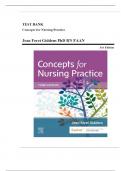
, TABLE OF CONTENTS
$@1 $@1
Guidelines for Prioritization, Delegation, and Assignment Decisions
$@1 $@1 $@1 $@1 $@1 $@1
1. Pain
2. Cancer
3. Immunologic Problems $@1
4. Fluid, Electrolyte, and Acid-Base Balance Problems
$@1 $@1 $@1 $@1 $@1
5. Safety and Infection Control
$@1 $@1 $@1
6. Respiratory Problems $@ 1
7. Cardiovascular Problems $@1
8. Hematologic Problems $@1
9. Neurologic Problems $@ 1
10. Visual and Auditory Problems
$@1 $@1 $@1
11. Musculoskeletal Problems $@1
12. Gastrointestinal and Nutritional Problems
$@1 $@1 $@1
13. Diabetes Mellitus
$@1
14. Other Endocrine Problems
$@1 $@1
15. Integumentary Problems $@1
16. Renal and Urinary Problems
$@1 $@1 $@1
17. Reproductive Problems $@1
18. Problems in Pregnancy and Childbearing
$@1 $@1 $@1 $@1
19. Pediatric Problems
$@1
20. Pharmacology NEW! $@1
21. Emergencies and Disasters $@1 $@1
22. Psychiatric–Mental Health Problems $@1 $@1
, Prioritization Delegation and Assignment 5th Edition LaCharity Test Ban
$@1 $@1 $@1 $@1 $@1 $@1 $@1 $@1
k
Chapter 1. Pain M $@1 $@1 $@1
ULTIPLE CHOICE $@1
1.A client tells the nurse that she rarely experiences pain, but when she does, she seeks
$@1 $@1 $@1 $@1 $@1 $@1 $@1 $@1 $@1 $@1 $@1 $@1 $@1 $@1 $@1
medical attention. The nurse realizes this client understands that pain is important bec
$@1 $@1 $@1 $@1 $@1 $@1 $@1 $@1 $@1 $@1 $@1 $@1 $@1
ause it: $@1
1. is a protective system.
$@1 $@1 $@1
2. includes the automatic withdrawal reflex.
$@1 $@1 $@1 $@1
3. creates sensitivity to pain.
$@1 $@1 $@1
4. helps with healing.
$@1 $@1
ANS: 1 $@1
Pain is a protective system that includes protection from unsafe behaviors by use o
$@1 $@1 $@1 $@1 $@1 $@1 $@1 $@1 $@1 $@1 $@1 $@1 $@1
f reflexes, memory, and avoidance. Even though the automatic withdrawal reflex is
$@1 $@1 $@1 $@1 $@1 $@1 $@1 $@1 $@1 $@1 $@1 $@1
a part of the pain response, it does not explain why pain is important. Pain does
$@1 $@1 $@1 $@1 $@1 $@1 $@1 $@1 $@1 $@1 $@1 $@1 $@1 $@1 $@1 $@1
not create sensitivity to pain. Pain does not help with healing.
$@1 $@1 $@1 $@1 $@1 $@1 $@1 $@1 $@1 $@1
PTS: 1 DIF: Analyze REF: Definitions and Implications of Pain
$@1 $@1 $@1 $@1 $@1 $@1 $@1 $@1 $@1
2.A client complains that the bed sheets touching his skin are extremely painful. The
$@1 $@1 $@1 $@1 $@1 $@1 $@1 $@1 $@1 $@1 $@1 $@1 $@1
nurse realizes this client is experiencing:
$@1 $@1 $@1 $@1 $@1 $@1
1. allodynia.
2. modulation.
3. kinesthesia.
4. proprioception.
ANS: 1 $@1
Allodynia or hyperalgesia is a state where a slight or nonpainful stimulus is interpret
$@1 $@1 $@1 $@1 $@1 $@1 $@1 $@1 $@1 $@1 $@1 $@1 $@1
ed as very painful. Kinesthesia is the awareness of movement. Proprioception is the
$@1 $@1 $@1 $@1 $@1 $@1 $@1 $@1 $@1 $@1 $@1 $@1 $
@1awareness of body position. Modulation is an influencing factor in the perception
$@1 $@1 $@1 $@1 $@1 $@1 $@1 $@1 $@1 $@1 $@1 $@1
of pain.
$@1
PTS: 1 DIF: Analyze REF: Peripheral Nervous System
$@1 $@1 $@1 $@1 $@1 $@1 $@1
3.A client is complaining of severe abdomen pain. The nurse realizes this client is expe
$@1 $@1 $@1 $@1 $@1 $@1 $@1 $@1 $@1 $@1 $@1 $@1 $@1 $@1
riencing which type of pain?
$@1 $@1 $@1 $@1
1. Neuralgia
2. Pathological
3. Somatic
4. Visceral
ANS: 4 $@1
Visceral pain is pain arising from the body organs or gastrointestinal tract. Somatic
$@1 $@1 $@1 $@1 $@1 $@1 $@1 $@1 $@1 $@1 $@1 $@1 $@1
pain is pain that originates from the bone, joints, muscles, skin, or connective pain.
$@1 $@1 $@1 $@1 $@1 $@1 $@1 $@1 $@1 $@1 $@1 $@1 $@1
, $@1 Neuralgia and
$@1
$@1 $@1
Guidelines for Prioritization, Delegation, and Assignment Decisions
$@1 $@1 $@1 $@1 $@1 $@1
1. Pain
2. Cancer
3. Immunologic Problems $@1
4. Fluid, Electrolyte, and Acid-Base Balance Problems
$@1 $@1 $@1 $@1 $@1
5. Safety and Infection Control
$@1 $@1 $@1
6. Respiratory Problems $@ 1
7. Cardiovascular Problems $@1
8. Hematologic Problems $@1
9. Neurologic Problems $@ 1
10. Visual and Auditory Problems
$@1 $@1 $@1
11. Musculoskeletal Problems $@1
12. Gastrointestinal and Nutritional Problems
$@1 $@1 $@1
13. Diabetes Mellitus
$@1
14. Other Endocrine Problems
$@1 $@1
15. Integumentary Problems $@1
16. Renal and Urinary Problems
$@1 $@1 $@1
17. Reproductive Problems $@1
18. Problems in Pregnancy and Childbearing
$@1 $@1 $@1 $@1
19. Pediatric Problems
$@1
20. Pharmacology NEW! $@1
21. Emergencies and Disasters $@1 $@1
22. Psychiatric–Mental Health Problems $@1 $@1
, Prioritization Delegation and Assignment 5th Edition LaCharity Test Ban
$@1 $@1 $@1 $@1 $@1 $@1 $@1 $@1
k
Chapter 1. Pain M $@1 $@1 $@1
ULTIPLE CHOICE $@1
1.A client tells the nurse that she rarely experiences pain, but when she does, she seeks
$@1 $@1 $@1 $@1 $@1 $@1 $@1 $@1 $@1 $@1 $@1 $@1 $@1 $@1 $@1
medical attention. The nurse realizes this client understands that pain is important bec
$@1 $@1 $@1 $@1 $@1 $@1 $@1 $@1 $@1 $@1 $@1 $@1 $@1
ause it: $@1
1. is a protective system.
$@1 $@1 $@1
2. includes the automatic withdrawal reflex.
$@1 $@1 $@1 $@1
3. creates sensitivity to pain.
$@1 $@1 $@1
4. helps with healing.
$@1 $@1
ANS: 1 $@1
Pain is a protective system that includes protection from unsafe behaviors by use o
$@1 $@1 $@1 $@1 $@1 $@1 $@1 $@1 $@1 $@1 $@1 $@1 $@1
f reflexes, memory, and avoidance. Even though the automatic withdrawal reflex is
$@1 $@1 $@1 $@1 $@1 $@1 $@1 $@1 $@1 $@1 $@1 $@1
a part of the pain response, it does not explain why pain is important. Pain does
$@1 $@1 $@1 $@1 $@1 $@1 $@1 $@1 $@1 $@1 $@1 $@1 $@1 $@1 $@1 $@1
not create sensitivity to pain. Pain does not help with healing.
$@1 $@1 $@1 $@1 $@1 $@1 $@1 $@1 $@1 $@1
PTS: 1 DIF: Analyze REF: Definitions and Implications of Pain
$@1 $@1 $@1 $@1 $@1 $@1 $@1 $@1 $@1
2.A client complains that the bed sheets touching his skin are extremely painful. The
$@1 $@1 $@1 $@1 $@1 $@1 $@1 $@1 $@1 $@1 $@1 $@1 $@1
nurse realizes this client is experiencing:
$@1 $@1 $@1 $@1 $@1 $@1
1. allodynia.
2. modulation.
3. kinesthesia.
4. proprioception.
ANS: 1 $@1
Allodynia or hyperalgesia is a state where a slight or nonpainful stimulus is interpret
$@1 $@1 $@1 $@1 $@1 $@1 $@1 $@1 $@1 $@1 $@1 $@1 $@1
ed as very painful. Kinesthesia is the awareness of movement. Proprioception is the
$@1 $@1 $@1 $@1 $@1 $@1 $@1 $@1 $@1 $@1 $@1 $@1 $
@1awareness of body position. Modulation is an influencing factor in the perception
$@1 $@1 $@1 $@1 $@1 $@1 $@1 $@1 $@1 $@1 $@1 $@1
of pain.
$@1
PTS: 1 DIF: Analyze REF: Peripheral Nervous System
$@1 $@1 $@1 $@1 $@1 $@1 $@1
3.A client is complaining of severe abdomen pain. The nurse realizes this client is expe
$@1 $@1 $@1 $@1 $@1 $@1 $@1 $@1 $@1 $@1 $@1 $@1 $@1 $@1
riencing which type of pain?
$@1 $@1 $@1 $@1
1. Neuralgia
2. Pathological
3. Somatic
4. Visceral
ANS: 4 $@1
Visceral pain is pain arising from the body organs or gastrointestinal tract. Somatic
$@1 $@1 $@1 $@1 $@1 $@1 $@1 $@1 $@1 $@1 $@1 $@1 $@1
pain is pain that originates from the bone, joints, muscles, skin, or connective pain.
$@1 $@1 $@1 $@1 $@1 $@1 $@1 $@1 $@1 $@1 $@1 $@1 $@1
, $@1 Neuralgia and
$@1