SOLUTION MANUAL
All Chapters Included
, Horngren's Accounting, 13th Edition Managerial by Tracie Miller-Nobles, Brenda
Mattison, All Chapter 1-9
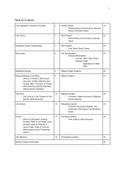
THE MANAGERIAL CHAPTERS
1. Introduction to Managerial Accounting
2. Job Order Costing
3. Process Costing
4. Cost-Volume-Profit Analysis
5. Master Budgets
6. Flexible Budgets and Standard Cost SystemsCost Allocation and Responsibility
Accounting
7. Short-Term Business Decisions
8. Capital Investment Decisions
,Chapter 1
Introduction to Managerial Accounting
Review Questions
1. The primary purpose of managerial accounting is to provide information to help
managers plan,direct, control, and make decisions.
2. Financial accounting and managerial accounting differ on the following 6
dimensions: (1) primaryusers, (2) purpose of information, (3) focus and time
dimension of the information, (4) rules and restrictions, (5) scope of information,
and (6) behavioral.
3. Line positions are directly involved in providing goods or services to customers.
Staff positionssupport line positions.
4. Planning means choosing goals and deciding how to achieve them. Directing involves
running the day-to-day operations of a business. Controlling is the process of
monitoring operations and keepingthe company on track.
5. The four IMA standards of ethical practice and a description of each follow.
I. Competence.
Maintain an appropriate level of professional leadership and expertise
by enhancingknowledge and skills.
Perform professional duties in accordance with relevant laws, regulations,
and technicalstandards.
Provide decision support information and recommendations that are accurate,
clear, concise,and timely.
Recognise and help mange risk.
II. Confidentiality.
Keep information confidential except when disclosure is authorized or legally
required.
Inform all relevant parties regarding appropriate use of confidential
information. Monitor toensure compliance.
Refrain from using confidential information for unethical or illegal advantage.
III. Integrity.
Mitigate actual conflicts of interest. Regularly communicate with business
associates to avoidapparent conflicts of interest. Advise all parties of any
potential conflicts.
Refrain from engaging in any conduct that would prejudice carrying out duties
, ethically.
Abstain from engaging in or supporting any activity that might discredit the
profession.
Contribute to a positive ethical culture and place integrity of the profession
above personalinterest.
5, cont.
IV. Credibility.
Communicate information fairly and objectively.
Provide all relevant information that could reasonably be expected to
influence an intendeduser’s understanding of the reports, analyses, or
recommendations.
Report any delays or deficiencies in information, timeliness, processing, or
internal controlsin conformance with organization policy and/or applicable
law.
Communicate any professional limitations or other constraints that would
preclude responsi-ble judgment or successful performance of an activity.
6. Service companies sell time, skills, and knowledge. Examples of service companies
include phoneservice companies, banks, cleaning service companies, accounting
firms, law firms, medical physicians, and online auction services.
7. Merchandising companies resell products they buy from suppliers. Merchandisers
keep an inventoryof products, and managers are accountable for the purchasing,
storage, and sale of the products. Examples of merchandising companies include toy
stores, grocery stores, and clothing stores.
8. Merchandising companies resell products they previously bought from suppliers,
whereas manufacturing companies use labor, equipment, supplies, and facilities to
convert raw materials intonew finished products. In contrast to merchandising
companies, manufacturing companies have a broad range of production activities
that require tracking costs on three kinds of inventory.
9. The three inventory accounts used by manufacturing companies are Raw Materials
Inventory, Work-in-Process Inventory, and Finished Goods Inventory.
Raw Materials Inventory includes materials used to manufacture a product. Work-in-
ProcessInventory includes goods that have been started in the manufacturing
process but are not yet complete. Finished Goods Inventory includes completed
goods that have not yet been sold.
All Chapters Included
, Horngren's Accounting, 13th Edition Managerial by Tracie Miller-Nobles, Brenda
Mattison, All Chapter 1-9
THE MANAGERIAL CHAPTERS
1. Introduction to Managerial Accounting
2. Job Order Costing
3. Process Costing
4. Cost-Volume-Profit Analysis
5. Master Budgets
6. Flexible Budgets and Standard Cost SystemsCost Allocation and Responsibility
Accounting
7. Short-Term Business Decisions
8. Capital Investment Decisions
,Chapter 1
Introduction to Managerial Accounting
Review Questions
1. The primary purpose of managerial accounting is to provide information to help
managers plan,direct, control, and make decisions.
2. Financial accounting and managerial accounting differ on the following 6
dimensions: (1) primaryusers, (2) purpose of information, (3) focus and time
dimension of the information, (4) rules and restrictions, (5) scope of information,
and (6) behavioral.
3. Line positions are directly involved in providing goods or services to customers.
Staff positionssupport line positions.
4. Planning means choosing goals and deciding how to achieve them. Directing involves
running the day-to-day operations of a business. Controlling is the process of
monitoring operations and keepingthe company on track.
5. The four IMA standards of ethical practice and a description of each follow.
I. Competence.
Maintain an appropriate level of professional leadership and expertise
by enhancingknowledge and skills.
Perform professional duties in accordance with relevant laws, regulations,
and technicalstandards.
Provide decision support information and recommendations that are accurate,
clear, concise,and timely.
Recognise and help mange risk.
II. Confidentiality.
Keep information confidential except when disclosure is authorized or legally
required.
Inform all relevant parties regarding appropriate use of confidential
information. Monitor toensure compliance.
Refrain from using confidential information for unethical or illegal advantage.
III. Integrity.
Mitigate actual conflicts of interest. Regularly communicate with business
associates to avoidapparent conflicts of interest. Advise all parties of any
potential conflicts.
Refrain from engaging in any conduct that would prejudice carrying out duties
, ethically.
Abstain from engaging in or supporting any activity that might discredit the
profession.
Contribute to a positive ethical culture and place integrity of the profession
above personalinterest.
5, cont.
IV. Credibility.
Communicate information fairly and objectively.
Provide all relevant information that could reasonably be expected to
influence an intendeduser’s understanding of the reports, analyses, or
recommendations.
Report any delays or deficiencies in information, timeliness, processing, or
internal controlsin conformance with organization policy and/or applicable
law.
Communicate any professional limitations or other constraints that would
preclude responsi-ble judgment or successful performance of an activity.
6. Service companies sell time, skills, and knowledge. Examples of service companies
include phoneservice companies, banks, cleaning service companies, accounting
firms, law firms, medical physicians, and online auction services.
7. Merchandising companies resell products they buy from suppliers. Merchandisers
keep an inventoryof products, and managers are accountable for the purchasing,
storage, and sale of the products. Examples of merchandising companies include toy
stores, grocery stores, and clothing stores.
8. Merchandising companies resell products they previously bought from suppliers,
whereas manufacturing companies use labor, equipment, supplies, and facilities to
convert raw materials intonew finished products. In contrast to merchandising
companies, manufacturing companies have a broad range of production activities
that require tracking costs on three kinds of inventory.
9. The three inventory accounts used by manufacturing companies are Raw Materials
Inventory, Work-in-Process Inventory, and Finished Goods Inventory.
Raw Materials Inventory includes materials used to manufacture a product. Work-in-
ProcessInventory includes goods that have been started in the manufacturing
process but are not yet complete. Finished Goods Inventory includes completed
goods that have not yet been sold.