BIOCHEM MIDTERM EXAM
QUESTIONS AND ANSWERS
How do most enzymes reduce the activation energy needed to move a reaction forward?
a. providing an active site most complimentary to the substrate
b. providing energy to the reaction by the cleavage of ATP
c. providing an environment free of water
d. providing an active site most complimentary to the transition state Answers Providing an active site
most complimentary to the transition state
Hemoglobin bound to heme is termed a holoprotein. The heme or porypherin ring is required for oxygen
binding and it is defined as which of the following?
a. prosthetic group
b. apoprotein
c. holoprotein
d. heteroprotein Answers a. prosthetic group
Allosteric activators of hemoglobin will increase substrate binding through which of the following
mechanisms?
a. binding the protein in the "T" conformation and displacing an inhibitor
b. binding the protein and enhancing the Vmax
c. Binding the protein and keeping it in the "R" conformation
d. binding the protein and keeping it in the "T" conformation Answers c. binding the protein and
keeping it in the "R" conformation
Which of the following best describes the structure of heme?
,a. a nicotinamide structure that is readily oxidized
b. a negatively charged phosphate group
c. an N-linked glycosylation
d. a planar porypherin ring that binds iron Answers d. a planar porypherin ring that binds iron
Which of the following is likely to have quaternary structure?
a. a multimeric protein that contains multiple peptide chains
b. a large transmembrane protein with seven α-helical domains
c. a protein that contains both α-helix and beta-sheet secondary structures
d. a small protein consisting of a single amino acid chain Answers a. A multimeric protein that contains
multiple peptide chains
Hemoglobin has the ability to display cooperative binding. While myoglobin does not display this binding
kinetic pattern. Which of the following differences between the two proteins accounts for this
difference in binding kinetics?
a. differences in secondary structure between the two proteins
b. the lack of tertiary structure in myoglobin
c. the presence of quaternary structure in hemoglobin
d. differences in primary structure Answers c. the presence of quaternary structure in hemoglobin
Movement of ammonia from an amino acid to an alpha-keto acid involves a family of enzymes best
categorized as:
a. transferases
b. ligases
c. isomerases
d. lyases Answers a. transferases
Covalent catalysis is used by many enzymes to cleave peptide bonds. Which of the following amino acids
would not facilitate this type of catalysis? (think of the R group in these amino acids)
a. histidine
, b. cytesine
c. valine
d. serine Answers c. valine
Children with cystinosis have growth delay and both renal and ocular issues due to accumulation of
cysteine in cellular lysosomes. The defect involves a specific lysosomal membrane receptor that
facilitates cysteine removal from the cell. An effective therapy has been administered of a drug with a
similar structure to cysteine. This therapy reflects the general principle that competitive inhibitors
typically resemble the structure of which of the following?
a. the cofactor
b. enzyme or receptor protein
c. an allosteric regulator enzyme
d. enzyme reaction products
e. substrates or ligands that bind the active site Answers e. substrates or ligands that bind the active
site
If a mutation is made within the active site of an enzyme resulting in a decrease in Km, which of the
following will be true with respect to the enzyme kinetics?
a. the Vmax of the reaction will increase
b. the enzyme will require a lower substrate concentration to reach 1/2 Vmax
c. the concentration of substrate needed to reach 1/2 Vmax will not change
d. the enzyme will require a higher substrate concentration to reach 1/2 Vmax Answers b. the enzyme
will require a lower substrate concentration to reach 1/2 Vmax
Which of the following is an example of enzyme regulation through covalent modification?
a. binding of GTP to a monomeric G protein
b. phosphorylation of muscle glycogen phosphorylase
c. digestion of misfolded proteins by lysosomes
d. cleavage of chymotrypsinogen to chymotrypsin Answers b. phosphorylation of muscle glycogen
phosphorylase
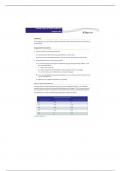
In the image below, the blue line indicates enzyme kinetics with no inhibitor present. Based on this
information which of the following is true?
QUESTIONS AND ANSWERS
How do most enzymes reduce the activation energy needed to move a reaction forward?
a. providing an active site most complimentary to the substrate
b. providing energy to the reaction by the cleavage of ATP
c. providing an environment free of water
d. providing an active site most complimentary to the transition state Answers Providing an active site
most complimentary to the transition state
Hemoglobin bound to heme is termed a holoprotein. The heme or porypherin ring is required for oxygen
binding and it is defined as which of the following?
a. prosthetic group
b. apoprotein
c. holoprotein
d. heteroprotein Answers a. prosthetic group
Allosteric activators of hemoglobin will increase substrate binding through which of the following
mechanisms?
a. binding the protein in the "T" conformation and displacing an inhibitor
b. binding the protein and enhancing the Vmax
c. Binding the protein and keeping it in the "R" conformation
d. binding the protein and keeping it in the "T" conformation Answers c. binding the protein and
keeping it in the "R" conformation
Which of the following best describes the structure of heme?
,a. a nicotinamide structure that is readily oxidized
b. a negatively charged phosphate group
c. an N-linked glycosylation
d. a planar porypherin ring that binds iron Answers d. a planar porypherin ring that binds iron
Which of the following is likely to have quaternary structure?
a. a multimeric protein that contains multiple peptide chains
b. a large transmembrane protein with seven α-helical domains
c. a protein that contains both α-helix and beta-sheet secondary structures
d. a small protein consisting of a single amino acid chain Answers a. A multimeric protein that contains
multiple peptide chains
Hemoglobin has the ability to display cooperative binding. While myoglobin does not display this binding
kinetic pattern. Which of the following differences between the two proteins accounts for this
difference in binding kinetics?
a. differences in secondary structure between the two proteins
b. the lack of tertiary structure in myoglobin
c. the presence of quaternary structure in hemoglobin
d. differences in primary structure Answers c. the presence of quaternary structure in hemoglobin
Movement of ammonia from an amino acid to an alpha-keto acid involves a family of enzymes best
categorized as:
a. transferases
b. ligases
c. isomerases
d. lyases Answers a. transferases
Covalent catalysis is used by many enzymes to cleave peptide bonds. Which of the following amino acids
would not facilitate this type of catalysis? (think of the R group in these amino acids)
a. histidine
, b. cytesine
c. valine
d. serine Answers c. valine
Children with cystinosis have growth delay and both renal and ocular issues due to accumulation of
cysteine in cellular lysosomes. The defect involves a specific lysosomal membrane receptor that
facilitates cysteine removal from the cell. An effective therapy has been administered of a drug with a
similar structure to cysteine. This therapy reflects the general principle that competitive inhibitors
typically resemble the structure of which of the following?
a. the cofactor
b. enzyme or receptor protein
c. an allosteric regulator enzyme
d. enzyme reaction products
e. substrates or ligands that bind the active site Answers e. substrates or ligands that bind the active
site
If a mutation is made within the active site of an enzyme resulting in a decrease in Km, which of the
following will be true with respect to the enzyme kinetics?
a. the Vmax of the reaction will increase
b. the enzyme will require a lower substrate concentration to reach 1/2 Vmax
c. the concentration of substrate needed to reach 1/2 Vmax will not change
d. the enzyme will require a higher substrate concentration to reach 1/2 Vmax Answers b. the enzyme
will require a lower substrate concentration to reach 1/2 Vmax
Which of the following is an example of enzyme regulation through covalent modification?
a. binding of GTP to a monomeric G protein
b. phosphorylation of muscle glycogen phosphorylase
c. digestion of misfolded proteins by lysosomes
d. cleavage of chymotrypsinogen to chymotrypsin Answers b. phosphorylation of muscle glycogen
phosphorylase
In the image below, the blue line indicates enzyme kinetics with no inhibitor present. Based on this
information which of the following is true?