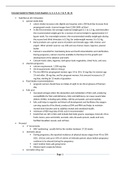
QUESTION 1
GOLDEN YEARS:
Jun16: Historians differ in their judgements about the extent to which the years
1924-29
were ‘Golden Years’ for Germany.
‘The years 1924–29 were ‘Golden Years’ for Germany.’
Assess this view using your own knowledge of the issue.
1. Economy
P1. New currency:
Tackled hyperinflation:
o Replaced mark with rentenmark reichsmark
o Issued them in strictly limited quantieis to retain their value
o ONE TRILLION MARKS= 1 RENTENMARK
o Allowed for growth and 30% increase in wages accounting for
increased tax
o People encourages to spend not save so there was a boom in
consumerism
Highlights the success of Weimar and how people were satisfied with their
unions successful wage negotiations
P2. Increased industrial productions
o Economic crisis over so Germany more enticing to foreign investors
o Businesses= more machinery
o Local councils financed vast house building shcemes
o Industrial production reached pre-war levels
o Coal and steel increased by 50%
o Influx of money (in>out)
Large portion of population now happy
More political stability showing how the economy impacted political
stability
Not everything completely back and could still collapse if foreign
investments or loans called in
P3. Welfarereforms
o Huge increase in public spending on housing (x33 compared to war)
o 1927-29 300k houses built or renovated improving quality of life
o Health insurance improved -more provisions +20% increase in
available beds
o New unemploument insurance can cover up to 800k unemployed
workers
o Gov. Expenditure went from 15-26% if GNP
Changes allowed for huge quality of life improvements which increased
gov. Support and satisfaction
Did not impact everyone – farmers greatly ignored and did not receive all
these benefits
Unemployment insurance was fragive due to max numbers
, 2. Stresemann
P1. Econoym/ hyperinflation
P2. Uprisings:
i. Fended off threats from left and right
ii. Communists defeated bt ordering army into saxony
o Overcame extreme right by waiting for them to self destruct in the
munich putsch in Bavaria
i.
P3.French in Ruhr+ foreign policy:
French in ruhr:
o called off passive resistance( costs became unbearable)
o He knew this was political suicide from extreme right
Proved his political courage
Dawes and Young:
o In 1924, Stresemann successfully negotiated the reorganisation of
Germany’s reparations payments through the Dawes Plan, which
partially resolved the issues in the Ruhr and aided economic
recovery
i. Agreed to ersume reparations for a reduced amount each
year
ii. Remove French from ruhr
iii. Received 200mill dollar loan from USA to help restart
reparations
o Locarno pact 1925:
i. Stresemann secured Germany’s western border, which
gave the Republic a greater sense of security and this
aided domestic recovery
o Young plam 1929
i. Replaced dawes plan intended to be a final settlement of
reparations issue
ii. Reduced liability from 6.6bill to 1.85 divided by 2/3
iii. Removed force in Rhineland
iv. GERMANY FREE OF FOREIGN OCCUPANTS
Prosperity was heavily dependent on foreign investment and loans
(could be withdrawn)
Public spending> income not sustainable
Germany rid of hyperinflation, no longer isolated with international
community
Huigly attractive to foreign investors with big influx from US
Enebled increase of welfare shcemes
SO
improved Germany’s global position, restored economic stability, and gained
diplomatic respect.
economy seriously still unstable
undermined by tensions and conflicts between different economic
stakeholders
His policies were fragile, depended on foreign goodwill, and failed to fully
satisfy nationalists, allowing extremists like the Nazis to rise.
, 3. Weimar culture
P1. Art and architecture
o Bauhaus movement influenced every aspect of architectural design
o Functional simple and modern approach connectly art and
technology
o Resitsted by conseevative circles as it signifies a challenge to
transition
o New objectivity seen as a way to shift attention toward political
scrutiny
o Understood by anyone – direct message
o Very critical of Weimar/church/ military from left and right
Signified opposition to how some part of germanty remained
unreformed and imperialistic
Made criticism available to everyone harming Weimar and stability of
the country
P.2 literature and film
o Explosion of publishing encouraging greater reading
o Eg. All quiet on the western front (criticizes the war and military)-
anti authoritarian era in society
o New cinema industry (cutting edge tech) 500 cinemas in Germany
o Movies can be watcjed by everyone not just aristocrats so message
goes out to everyone
o DEMOCRATISATION OF THE PUBLIC SPHERE
o (eg. Metropolis1972 fist sci-fi) + (Nosferatu first horror)
o Both from far right and left but NO PRO-WEIMAR messages
Yes golden years as people were happy with new technological
development and expressing themeleves
Not as stable as what they were expressing was dissatisfaction with
Weimar
4. Welfare and economy
P1. Welfare schemes in constitution
Established a progressive welfare state that reflected edemocratic and
humanitarian values:
o Responsibility of adults to protect and nurture [ep[;e
o Religious freedoms guaranteed
o Respect for private property
o Comitmenet to build new private property
o Employee protection
Reforms collectively aimed to create a socially just and inclusive
democracy marking a breal from authoritarian imperial tradition
P2. Economic prosperity and welfare expansion
o Following hyperinflation ending Germany entered a period of
economic growth and prosperity -positively impacted moreale and
stability
o Constitution promised for a better Germany
o WWI created class of dependants -widows, orphans and disabled
veterans,
GOLDEN YEARS:
Jun16: Historians differ in their judgements about the extent to which the years
1924-29
were ‘Golden Years’ for Germany.
‘The years 1924–29 were ‘Golden Years’ for Germany.’
Assess this view using your own knowledge of the issue.
1. Economy
P1. New currency:
Tackled hyperinflation:
o Replaced mark with rentenmark reichsmark
o Issued them in strictly limited quantieis to retain their value
o ONE TRILLION MARKS= 1 RENTENMARK
o Allowed for growth and 30% increase in wages accounting for
increased tax
o People encourages to spend not save so there was a boom in
consumerism
Highlights the success of Weimar and how people were satisfied with their
unions successful wage negotiations
P2. Increased industrial productions
o Economic crisis over so Germany more enticing to foreign investors
o Businesses= more machinery
o Local councils financed vast house building shcemes
o Industrial production reached pre-war levels
o Coal and steel increased by 50%
o Influx of money (in>out)
Large portion of population now happy
More political stability showing how the economy impacted political
stability
Not everything completely back and could still collapse if foreign
investments or loans called in
P3. Welfarereforms
o Huge increase in public spending on housing (x33 compared to war)
o 1927-29 300k houses built or renovated improving quality of life
o Health insurance improved -more provisions +20% increase in
available beds
o New unemploument insurance can cover up to 800k unemployed
workers
o Gov. Expenditure went from 15-26% if GNP
Changes allowed for huge quality of life improvements which increased
gov. Support and satisfaction
Did not impact everyone – farmers greatly ignored and did not receive all
these benefits
Unemployment insurance was fragive due to max numbers
, 2. Stresemann
P1. Econoym/ hyperinflation
P2. Uprisings:
i. Fended off threats from left and right
ii. Communists defeated bt ordering army into saxony
o Overcame extreme right by waiting for them to self destruct in the
munich putsch in Bavaria
i.
P3.French in Ruhr+ foreign policy:
French in ruhr:
o called off passive resistance( costs became unbearable)
o He knew this was political suicide from extreme right
Proved his political courage
Dawes and Young:
o In 1924, Stresemann successfully negotiated the reorganisation of
Germany’s reparations payments through the Dawes Plan, which
partially resolved the issues in the Ruhr and aided economic
recovery
i. Agreed to ersume reparations for a reduced amount each
year
ii. Remove French from ruhr
iii. Received 200mill dollar loan from USA to help restart
reparations
o Locarno pact 1925:
i. Stresemann secured Germany’s western border, which
gave the Republic a greater sense of security and this
aided domestic recovery
o Young plam 1929
i. Replaced dawes plan intended to be a final settlement of
reparations issue
ii. Reduced liability from 6.6bill to 1.85 divided by 2/3
iii. Removed force in Rhineland
iv. GERMANY FREE OF FOREIGN OCCUPANTS
Prosperity was heavily dependent on foreign investment and loans
(could be withdrawn)
Public spending> income not sustainable
Germany rid of hyperinflation, no longer isolated with international
community
Huigly attractive to foreign investors with big influx from US
Enebled increase of welfare shcemes
SO
improved Germany’s global position, restored economic stability, and gained
diplomatic respect.
economy seriously still unstable
undermined by tensions and conflicts between different economic
stakeholders
His policies were fragile, depended on foreign goodwill, and failed to fully
satisfy nationalists, allowing extremists like the Nazis to rise.
, 3. Weimar culture
P1. Art and architecture
o Bauhaus movement influenced every aspect of architectural design
o Functional simple and modern approach connectly art and
technology
o Resitsted by conseevative circles as it signifies a challenge to
transition
o New objectivity seen as a way to shift attention toward political
scrutiny
o Understood by anyone – direct message
o Very critical of Weimar/church/ military from left and right
Signified opposition to how some part of germanty remained
unreformed and imperialistic
Made criticism available to everyone harming Weimar and stability of
the country
P.2 literature and film
o Explosion of publishing encouraging greater reading
o Eg. All quiet on the western front (criticizes the war and military)-
anti authoritarian era in society
o New cinema industry (cutting edge tech) 500 cinemas in Germany
o Movies can be watcjed by everyone not just aristocrats so message
goes out to everyone
o DEMOCRATISATION OF THE PUBLIC SPHERE
o (eg. Metropolis1972 fist sci-fi) + (Nosferatu first horror)
o Both from far right and left but NO PRO-WEIMAR messages
Yes golden years as people were happy with new technological
development and expressing themeleves
Not as stable as what they were expressing was dissatisfaction with
Weimar
4. Welfare and economy
P1. Welfare schemes in constitution
Established a progressive welfare state that reflected edemocratic and
humanitarian values:
o Responsibility of adults to protect and nurture [ep[;e
o Religious freedoms guaranteed
o Respect for private property
o Comitmenet to build new private property
o Employee protection
Reforms collectively aimed to create a socially just and inclusive
democracy marking a breal from authoritarian imperial tradition
P2. Economic prosperity and welfare expansion
o Following hyperinflation ending Germany entered a period of
economic growth and prosperity -positively impacted moreale and
stability
o Constitution promised for a better Germany
o WWI created class of dependants -widows, orphans and disabled
veterans,