CHAPTER 3:
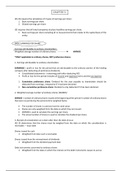
IAS 33 requires the calculation of 2 types of earnings per share:
1. Basic earnings per share
2. Diluted earnings per share
JSE requires that all listed companies disclose headline earnings per share.
• Basic earnings per share excluding all re-measurements that relates to the capital basis of the
entity.
BASIC EARNINGS PER SHARE:
Earnings attributable to ordinary shareholders
Weighted average number of ordinary shares WANOS
*ONLY applicable to ordinary shares, NOT preference shares.
1. Earnings attributable to ordinary shareholders
EARNINGS = profit or loss for the period that are attributable to the ordinary owners of the holding
company after deducting all preference dividends.
➢ Consolidated statements – remaining profit after deducting NCI.
➢ Profit or loss for the period includes all income and expenses items and the tax expense.
1. Cumulative preference share: Dividend for the year payable to shareholder should be
deducted from earnings, irrespective if it has been declared.
2. Non-cumulative preference share: Dividend is only deducted if it has been declared.
2. Weighted average number of ordinary shares (WANOS)
WANOS = number of ordinary shares issued at the beginning of the period + number of ordinary shares
that were issued during the period x time weighted factor.
• The number of shares is used and not the rand value.
• Shares are only weighted from the date on which they are issued.
• WANOS is used to calculate the earnings per share.
• The actual number of shares is used to calculate the dividend per share.
3. Receipt of consideration on a date other than the date of issue
IAS 33 determines that the shares must be weighed from the date on which the consideration is
receivable. – Issue date
Shares issued for cash
➢ Weighted from date cash is receivable
Shares issued from the reinvestment of dividends
➢ Weighted from the dividend payment date
Debt instruments converted to ordinary shares
➢ Weighted from the date on which the interest on the debt instruments ceases to accrue
,Shares issued to acquire an asset
➢ Weighted from date of acquisition
Shares issued in exchange for services rendered
➢ Included as the services are rendered.
4. No consideration received
1. Capitalisation issue:
• Increase number of shares
2. Rights issue:
Option to shareholder to buy more shares at a pre-determined price.
• At market price – treated like a normal share issue
• Lower than the market price – capital received, also a bonus component.
➢ Prior balances must then be adjusted.
➢ Current WANOS must reflect the change.
DILUTED EARNINGS PER SHARE:
2 types of shares:
1. Ordinary shares
2. Potential ordinary shares: Not used to calculate Basic EPS
• Convertible preference shares
• Share options
• Convertible debentures
*Diluted earnings per share are calculated after considering the actual issued ordinary shares and the
potential ordinary shares when calculating WANOS.
Example:
*Share Offerhave
options R50 000 at R2 per
a dilutive share,
effect Market
if issued value
at less = R5
then fairper sharetherefore: issues are divided into
value,
2 parts:
1. Bonus
1. Anissue:
issue50
at 000
Fairxvalue
(5-2)with no dilutive effect
= R150
2. 000
A bonus issue with a dilutive effect
2. Diluted EPS
Therefore, = Earnings
determine the /bonus
WANOS + 150
issue and000
add it to the number of shares:
X 0.72 if it is a debenture
3. Diluted EPS: Earnings + FV% of potential ordinary share
WANOS + Potential number
, ADJUSTMENTS:
1. Earnings:
• Dividends
• Interest
• Other changes in income or expenses
2. WANOS:
Number of shares if potential OS are issued or converted
• Weighed assuming OS issued at beginning of year or specific date if later in year
Potential ordinary share Impact on earnings Impact on WANOS
Convertible preference Add back preference dividend Increase the WANOS by the number of
shares to the degree that it ordinary shares into which the preference
influences earnings shares will be converted.
attributable to OSH.
Shares options No effect. Increase the WANOS with the bonus shares.
Convertible debentures Add back interest after tax. Increase WANOS with the number of ordinary
shares into which the debentures will be
converted.
Dilutive:
• If potential ordinary shares give rise to a dilution (decline) in the basic EPS from the continued
ordinary operations, the potential ordinary shares must be included in the calculation of the
diluted EPS.
Anti-dilutive:
• If potential ordinary shares give rise to an increase in the basic earnings per share from
continued ordinary operations, in other words, the potential shares have an anti-dilutive
effect; the potential shares must be ignored when calculating the diluted earnings per share.
The diluted earnings per share are calculated by adjusting the basic earnings per share from the most
dilutive group of potential ordinary shares to the least dilutive group of potential shares.
DIVDEND PER SHARE:
Dividend per share
Number of shares issued on the last sate for registration
IAS 33 requires the calculation of 2 types of earnings per share:
1. Basic earnings per share
2. Diluted earnings per share
JSE requires that all listed companies disclose headline earnings per share.
• Basic earnings per share excluding all re-measurements that relates to the capital basis of the
entity.
BASIC EARNINGS PER SHARE:
Earnings attributable to ordinary shareholders
Weighted average number of ordinary shares WANOS
*ONLY applicable to ordinary shares, NOT preference shares.
1. Earnings attributable to ordinary shareholders
EARNINGS = profit or loss for the period that are attributable to the ordinary owners of the holding
company after deducting all preference dividends.
➢ Consolidated statements – remaining profit after deducting NCI.
➢ Profit or loss for the period includes all income and expenses items and the tax expense.
1. Cumulative preference share: Dividend for the year payable to shareholder should be
deducted from earnings, irrespective if it has been declared.
2. Non-cumulative preference share: Dividend is only deducted if it has been declared.
2. Weighted average number of ordinary shares (WANOS)
WANOS = number of ordinary shares issued at the beginning of the period + number of ordinary shares
that were issued during the period x time weighted factor.
• The number of shares is used and not the rand value.
• Shares are only weighted from the date on which they are issued.
• WANOS is used to calculate the earnings per share.
• The actual number of shares is used to calculate the dividend per share.
3. Receipt of consideration on a date other than the date of issue
IAS 33 determines that the shares must be weighed from the date on which the consideration is
receivable. – Issue date
Shares issued for cash
➢ Weighted from date cash is receivable
Shares issued from the reinvestment of dividends
➢ Weighted from the dividend payment date
Debt instruments converted to ordinary shares
➢ Weighted from the date on which the interest on the debt instruments ceases to accrue
,Shares issued to acquire an asset
➢ Weighted from date of acquisition
Shares issued in exchange for services rendered
➢ Included as the services are rendered.
4. No consideration received
1. Capitalisation issue:
• Increase number of shares
2. Rights issue:
Option to shareholder to buy more shares at a pre-determined price.
• At market price – treated like a normal share issue
• Lower than the market price – capital received, also a bonus component.
➢ Prior balances must then be adjusted.
➢ Current WANOS must reflect the change.
DILUTED EARNINGS PER SHARE:
2 types of shares:
1. Ordinary shares
2. Potential ordinary shares: Not used to calculate Basic EPS
• Convertible preference shares
• Share options
• Convertible debentures
*Diluted earnings per share are calculated after considering the actual issued ordinary shares and the
potential ordinary shares when calculating WANOS.
Example:
*Share Offerhave
options R50 000 at R2 per
a dilutive share,
effect Market
if issued value
at less = R5
then fairper sharetherefore: issues are divided into
value,
2 parts:
1. Bonus
1. Anissue:
issue50
at 000
Fairxvalue
(5-2)with no dilutive effect
= R150
2. 000
A bonus issue with a dilutive effect
2. Diluted EPS
Therefore, = Earnings
determine the /bonus
WANOS + 150
issue and000
add it to the number of shares:
X 0.72 if it is a debenture
3. Diluted EPS: Earnings + FV% of potential ordinary share
WANOS + Potential number
, ADJUSTMENTS:
1. Earnings:
• Dividends
• Interest
• Other changes in income or expenses
2. WANOS:
Number of shares if potential OS are issued or converted
• Weighed assuming OS issued at beginning of year or specific date if later in year
Potential ordinary share Impact on earnings Impact on WANOS
Convertible preference Add back preference dividend Increase the WANOS by the number of
shares to the degree that it ordinary shares into which the preference
influences earnings shares will be converted.
attributable to OSH.
Shares options No effect. Increase the WANOS with the bonus shares.
Convertible debentures Add back interest after tax. Increase WANOS with the number of ordinary
shares into which the debentures will be
converted.
Dilutive:
• If potential ordinary shares give rise to a dilution (decline) in the basic EPS from the continued
ordinary operations, the potential ordinary shares must be included in the calculation of the
diluted EPS.
Anti-dilutive:
• If potential ordinary shares give rise to an increase in the basic earnings per share from
continued ordinary operations, in other words, the potential shares have an anti-dilutive
effect; the potential shares must be ignored when calculating the diluted earnings per share.
The diluted earnings per share are calculated by adjusting the basic earnings per share from the most
dilutive group of potential ordinary shares to the least dilutive group of potential shares.
DIVDEND PER SHARE:
Dividend per share
Number of shares issued on the last sate for registration