The White Tiger
Chapter 1. Summary........................................................................................... 1
Chapter 2. Summary........................................................................................... 3
Chapter 3. Summary........................................................................................... 7
Chapter 4. Summary......................................................................................... 11
Chapter 5. Summary......................................................................................... 14
Chapter 6. Summary......................................................................................... 17
Chapter 7. Summary......................................................................................... 21
Chapter 8. Summary......................................................................................... 25
Quotes........................................................................................................... 29
Character analysis......................................................................................... 34
Themes.......................................................................................................... 40
Symbolism..................................................................................................... 41
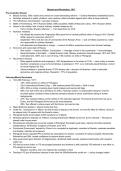
Chapter 1. Summary
1.1 Balram’s Letter to Wen Jiabao
Balram writes from his Bangalore office in the middle of the night.
Addresses the letter to Wen Jiabao, a Chinese dignitary.
Hears on the radio that Jiabao will soon visit India.
Believes India’s prime minister (“the Great Socialist”) will present a false
image of a moral, successful India.
Although he and Jiabao don’t speak English, Balram writes in English
because “some things can only be said in English.”
He wants to reveal the real story of Indian entrepreneurship through his
own life.
1.2 Balram’s Background
Describes himself as “half-baked” due to limited education.
Uses an old police wanted poster to guide his autobiographical account.
Name: Balram Halwai, also known as Munna (“boy”).
Comes from a poor family in rural Laxmangarh, “the Darkness.”
Father: rickshaw puller.
Village sits beside the polluted Ganga River.
Temple deity: Hanuman, symbolizing submissiveness.
,1.3 Family Circumstances
Parents hoped he’d get an education.
Grandmother Kusum wanted him working to support the family.
Family lived together in poverty; a buffalo was treated better than the
children.
Village dominated by four oppressive landlords (nicknamed after animals:
the Buffalo, the Raven, etc.).
Balram admired Vijay, a low-caste man who rose to be a bus conductor.
1.4 School Life and “The White Tiger” Moment
Schoolteacher rarely taught.
During an inspection, Balram impressed officials by reading English and
reciting political slogans.
Inspector called him a “White Tiger,” a rare talent.
Promised him a scholarship.
1.5 Loss of Opportunity
Scholarship derailed when his family needed money for a cousin’s dowry.
Balram was pulled from school and forced to work in a tea shop.
He broke coals instead of studying.
1.6 Balram’s Claim to Entrepreneurship
Police poster says he fled with a bag of money.
He corrects it: it contained 700,000 rupees.
Promises to tell Jiabao how he educated himself and rose to success.
Ends chapter by revealing: he killed Mr. Ashok, eight months after
visiting Laxmangarh.
2. Analysis
2.1 Purpose and Themes
Balram’s letter is a counternarrative to India’s self-image as a modern,
global power.
Highlights:
o Poverty
o Corruption
o Lack of sanitation and education
o Social inequality
,2.2 Satire in the Novel
Novel uses satire to expose flaws in Indian society and politics.
Irony: calls China “freedom-loving” and India’s leader “Great Socialist.”
Critiques both India and China with exaggerated humor and
contradictions.
2.3 Unreliable Narrator
Balram claims not to speak English, yet writes in flawless prose.
Appears unstable—writing to a foreign dignitary in the night with no
reason.
Proud of being a wanted criminal.
Brags about theft and murder, raising doubts about his honesty and sanity.
2.4 Class, Caste, and Submissiveness
Lower-caste individuals are conditioned to be submissive.
Even Balram’s grandmother sees him only as a laborer.
Temple deity reinforces servitude.
His admiration for Vijay shows a desire for upward mobility.
Balram believes rule-breaking is the only way to rise.
2.5 Foreshadowing and Narrative Hook
Balram directly reveals he will kill Mr. Ashok.
Not traditional foreshadowing, but a deliberate hook.
Encourages readers to continue to find out:
o Why the murder occurred
o How Balram escaped legal consequences
o How the stolen money ties into his rise
Chapter 2. Summary
1.1 Mr. Ashok and Pinky Madam
Balram opens his next letter by describing his employer, Mr. Ashok:
o Gentle, handsome, kind-hearted.
Mr. Ashok is married to Pinky Madam, a blonde woman he married in
America.
Their marriage upset Mr. Ashok’s family because she is outside their caste.
1.2 Balram’s Father’s Death
, After their father’s illness, Balram and Kishan take him to a free
government hospital.
Hospital conditions:
o No doctor present.
o Patients lying on goat-dung-covered floors.
o Corrupt medical superintendent signs in doctors who work
elsewhere.
Balram’s father dies unattended on the hospital floor.
1.3 Life After the Funeral
A month later, Kishan is married.
Both brothers are sent to Dhanbad to work in a tea shop.
Balram overhears conversations in the tea shop and learns someone
needs a driver.
Kusum agrees to pay for his driving lessons if he sends money home.
Older driving instructor doubts Balram’s caste ability but is impressed by
his skill.
1.4 Getting Hired by the Stork Family
After weeks of job hunting, Balram finds the mansion of a landlord known
as the Stork.
Balram claims he’s from the same village to secure an interview.
When he meets Mr. Ashok, he immediately feels Ashok is his master.
During a test drive, the Stork asks about Balram’s caste.
1.5 Caste Reflections
Balram tells Jiabao that caste no longer determines destiny.
Describes India as:
o Formerly a structured “zoo” of castes.
o After the British left, all castes escaped their cages and now fight for
survival.
Says India now has only:
o “Men with Big Bellies”
o “Men with Small Bellies”
o And only two destinies: eat or be eaten.
Mukesh (the Stork’s other son) is suspicious but accepts Balram after
verifying his family.
Chapter 1. Summary........................................................................................... 1
Chapter 2. Summary........................................................................................... 3
Chapter 3. Summary........................................................................................... 7
Chapter 4. Summary......................................................................................... 11
Chapter 5. Summary......................................................................................... 14
Chapter 6. Summary......................................................................................... 17
Chapter 7. Summary......................................................................................... 21
Chapter 8. Summary......................................................................................... 25
Quotes........................................................................................................... 29
Character analysis......................................................................................... 34
Themes.......................................................................................................... 40
Symbolism..................................................................................................... 41
Chapter 1. Summary
1.1 Balram’s Letter to Wen Jiabao
Balram writes from his Bangalore office in the middle of the night.
Addresses the letter to Wen Jiabao, a Chinese dignitary.
Hears on the radio that Jiabao will soon visit India.
Believes India’s prime minister (“the Great Socialist”) will present a false
image of a moral, successful India.
Although he and Jiabao don’t speak English, Balram writes in English
because “some things can only be said in English.”
He wants to reveal the real story of Indian entrepreneurship through his
own life.
1.2 Balram’s Background
Describes himself as “half-baked” due to limited education.
Uses an old police wanted poster to guide his autobiographical account.
Name: Balram Halwai, also known as Munna (“boy”).
Comes from a poor family in rural Laxmangarh, “the Darkness.”
Father: rickshaw puller.
Village sits beside the polluted Ganga River.
Temple deity: Hanuman, symbolizing submissiveness.
,1.3 Family Circumstances
Parents hoped he’d get an education.
Grandmother Kusum wanted him working to support the family.
Family lived together in poverty; a buffalo was treated better than the
children.
Village dominated by four oppressive landlords (nicknamed after animals:
the Buffalo, the Raven, etc.).
Balram admired Vijay, a low-caste man who rose to be a bus conductor.
1.4 School Life and “The White Tiger” Moment
Schoolteacher rarely taught.
During an inspection, Balram impressed officials by reading English and
reciting political slogans.
Inspector called him a “White Tiger,” a rare talent.
Promised him a scholarship.
1.5 Loss of Opportunity
Scholarship derailed when his family needed money for a cousin’s dowry.
Balram was pulled from school and forced to work in a tea shop.
He broke coals instead of studying.
1.6 Balram’s Claim to Entrepreneurship
Police poster says he fled with a bag of money.
He corrects it: it contained 700,000 rupees.
Promises to tell Jiabao how he educated himself and rose to success.
Ends chapter by revealing: he killed Mr. Ashok, eight months after
visiting Laxmangarh.
2. Analysis
2.1 Purpose and Themes
Balram’s letter is a counternarrative to India’s self-image as a modern,
global power.
Highlights:
o Poverty
o Corruption
o Lack of sanitation and education
o Social inequality
,2.2 Satire in the Novel
Novel uses satire to expose flaws in Indian society and politics.
Irony: calls China “freedom-loving” and India’s leader “Great Socialist.”
Critiques both India and China with exaggerated humor and
contradictions.
2.3 Unreliable Narrator
Balram claims not to speak English, yet writes in flawless prose.
Appears unstable—writing to a foreign dignitary in the night with no
reason.
Proud of being a wanted criminal.
Brags about theft and murder, raising doubts about his honesty and sanity.
2.4 Class, Caste, and Submissiveness
Lower-caste individuals are conditioned to be submissive.
Even Balram’s grandmother sees him only as a laborer.
Temple deity reinforces servitude.
His admiration for Vijay shows a desire for upward mobility.
Balram believes rule-breaking is the only way to rise.
2.5 Foreshadowing and Narrative Hook
Balram directly reveals he will kill Mr. Ashok.
Not traditional foreshadowing, but a deliberate hook.
Encourages readers to continue to find out:
o Why the murder occurred
o How Balram escaped legal consequences
o How the stolen money ties into his rise
Chapter 2. Summary
1.1 Mr. Ashok and Pinky Madam
Balram opens his next letter by describing his employer, Mr. Ashok:
o Gentle, handsome, kind-hearted.
Mr. Ashok is married to Pinky Madam, a blonde woman he married in
America.
Their marriage upset Mr. Ashok’s family because she is outside their caste.
1.2 Balram’s Father’s Death
, After their father’s illness, Balram and Kishan take him to a free
government hospital.
Hospital conditions:
o No doctor present.
o Patients lying on goat-dung-covered floors.
o Corrupt medical superintendent signs in doctors who work
elsewhere.
Balram’s father dies unattended on the hospital floor.
1.3 Life After the Funeral
A month later, Kishan is married.
Both brothers are sent to Dhanbad to work in a tea shop.
Balram overhears conversations in the tea shop and learns someone
needs a driver.
Kusum agrees to pay for his driving lessons if he sends money home.
Older driving instructor doubts Balram’s caste ability but is impressed by
his skill.
1.4 Getting Hired by the Stork Family
After weeks of job hunting, Balram finds the mansion of a landlord known
as the Stork.
Balram claims he’s from the same village to secure an interview.
When he meets Mr. Ashok, he immediately feels Ashok is his master.
During a test drive, the Stork asks about Balram’s caste.
1.5 Caste Reflections
Balram tells Jiabao that caste no longer determines destiny.
Describes India as:
o Formerly a structured “zoo” of castes.
o After the British left, all castes escaped their cages and now fight for
survival.
Says India now has only:
o “Men with Big Bellies”
o “Men with Small Bellies”
o And only two destinies: eat or be eaten.
Mukesh (the Stork’s other son) is suspicious but accepts Balram after
verifying his family.