TEST BANK Il
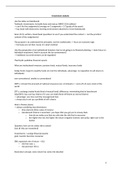
IntroductiontoTheoriesofLearning10thEdition
lI lI lI lI lI lI
byOlsonAll16Chapters
lI Il Il lI
, TableofContents lI lI
PART I Introduction to LearningIl Il Il Il
Chapter 1: What Is Learning? Il Il Il Il
Chapter 2: Approaches to the Study of Learning Chapter
lI Il Il Il Il Il Il I l
3: Early Notions about Learning Chapter 4: Edward Lee
Il Il Il Il Il Il Il I l Il
Il Thorndike
PART II PredominantlyFunctionalistic Theories
Il Il Il Il
Chapter 5: Burrhus FredericSkinner lI Il Il lI
I l Chapter 6: Clark Leonard Hull Il Il Il Il
PART III Predominantly Associationistic Theories
Il Il Il Il
Chapter7: Ivan Petrovich Pavlov Chapter 8:lI Il Il Il Il Il
I l Edwin Ray Guthrie Chapter 9: William
Il Il Il Il Il
I l Kaye Estes Il
PART IV PredominantlyCognitive Theories
Il Il Il Il
Chapter10: GestaltTheory Chapter 11: lI Il lI Il Il
I l Jean PiagetIl
Chapter12: Edward Chace Tolman Chapter lI Il lI Il Il
I l 13: Albert Bandura
Il Il
PART V APredominantly Neurophysiological Theory
Il Il lI Il Il
Chapter 14: Donald Olding Hebb lI Il Il Il
Chapter 15: Robert C. Bolles and Evolutionary Psychology Chapter 16: A Final
lI Il Il Il Il Il Il Il Il Il I l
Il Word
,CHAPTER 1 (* - Correct Answer)
Il Il Il Il Il
, 1. Most psychologistsreject dictionary definitions of learning because:
Il lI Il Il Il lI Il
a. the definitions are too objective Il Il Il Il
b. the definitions tend to be behavioristic Il Il Il Il Il
c. * the definitions are nebulous Il Il Il Il
d. learning is not definable Il Il Il
2. TheSkinneriansoppose equating theterms"reward" and"reinforcement" because:
lI lI Il Il lI lI Il lI Il
a. * reinforcers strengthen behavior whereasrewards do not
Il Il Il Il lI Il Il
b. organismsmust invest considerable time and energy to obtain lI Il Il Il Il lI lI Il
reinforcersbut nottoobtain rewards
I l lI lI Il Il
c. only reinforcers are given or received in recognition of worthy behavior Il lI Il Il Il lI Il Il Il Il
d. rewards strengthen behavior whereas reinforcersdo not Il Il Il Il lI Il
3. To attribute a behavioral change to learning, the change must be all of the
Il Il Il Il Il Il Il Il Il Il Il Il Il
Ifollowingexcept:
l
a. relatively permanent Il
b. the result of experience Il Il Il
c. observedin performance lI Il
d. * the result of maturation Il Il Il Il
4. Wecan make inferences concerning the learning process by studying:
lI Il Il Il Il Il Il Il Il
a. * changes in behavior Il Il Il
b. the mind Il
c. acquiredknowledge lI
d. motivational states Il
5. According to most learning theorists thelearning process: Il Il Il Il Il lI Il
a. cannot be studied objectively Il Il Il
b. cannot be studied at all Il Il Il Il
c. * can be studied only indirectly through changes in behavior
Il Il Il Il Il Il Il Il Il
d. can be studied directly Il Il Il
6. For most learning theorists, learning is thought of as a(n):
Il Il Il Il Il Il Il Il Il
a. independent variable Il
b. dependent variable lI
c. * intervening variable Il Il
d. extraneousvariable lI
7. Short term memory refers to: Il Il Il Il
a. learning that occurs very rapidly Il Il Il Il
IntroductiontoTheoriesofLearning10thEdition
lI lI lI lI lI lI
byOlsonAll16Chapters
lI Il Il lI
, TableofContents lI lI
PART I Introduction to LearningIl Il Il Il
Chapter 1: What Is Learning? Il Il Il Il
Chapter 2: Approaches to the Study of Learning Chapter
lI Il Il Il Il Il Il I l
3: Early Notions about Learning Chapter 4: Edward Lee
Il Il Il Il Il Il Il I l Il
Il Thorndike
PART II PredominantlyFunctionalistic Theories
Il Il Il Il
Chapter 5: Burrhus FredericSkinner lI Il Il lI
I l Chapter 6: Clark Leonard Hull Il Il Il Il
PART III Predominantly Associationistic Theories
Il Il Il Il
Chapter7: Ivan Petrovich Pavlov Chapter 8:lI Il Il Il Il Il
I l Edwin Ray Guthrie Chapter 9: William
Il Il Il Il Il
I l Kaye Estes Il
PART IV PredominantlyCognitive Theories
Il Il Il Il
Chapter10: GestaltTheory Chapter 11: lI Il lI Il Il
I l Jean PiagetIl
Chapter12: Edward Chace Tolman Chapter lI Il lI Il Il
I l 13: Albert Bandura
Il Il
PART V APredominantly Neurophysiological Theory
Il Il lI Il Il
Chapter 14: Donald Olding Hebb lI Il Il Il
Chapter 15: Robert C. Bolles and Evolutionary Psychology Chapter 16: A Final
lI Il Il Il Il Il Il Il Il Il I l
Il Word
,CHAPTER 1 (* - Correct Answer)
Il Il Il Il Il
, 1. Most psychologistsreject dictionary definitions of learning because:
Il lI Il Il Il lI Il
a. the definitions are too objective Il Il Il Il
b. the definitions tend to be behavioristic Il Il Il Il Il
c. * the definitions are nebulous Il Il Il Il
d. learning is not definable Il Il Il
2. TheSkinneriansoppose equating theterms"reward" and"reinforcement" because:
lI lI Il Il lI lI Il lI Il
a. * reinforcers strengthen behavior whereasrewards do not
Il Il Il Il lI Il Il
b. organismsmust invest considerable time and energy to obtain lI Il Il Il Il lI lI Il
reinforcersbut nottoobtain rewards
I l lI lI Il Il
c. only reinforcers are given or received in recognition of worthy behavior Il lI Il Il Il lI Il Il Il Il
d. rewards strengthen behavior whereas reinforcersdo not Il Il Il Il lI Il
3. To attribute a behavioral change to learning, the change must be all of the
Il Il Il Il Il Il Il Il Il Il Il Il Il
Ifollowingexcept:
l
a. relatively permanent Il
b. the result of experience Il Il Il
c. observedin performance lI Il
d. * the result of maturation Il Il Il Il
4. Wecan make inferences concerning the learning process by studying:
lI Il Il Il Il Il Il Il Il
a. * changes in behavior Il Il Il
b. the mind Il
c. acquiredknowledge lI
d. motivational states Il
5. According to most learning theorists thelearning process: Il Il Il Il Il lI Il
a. cannot be studied objectively Il Il Il
b. cannot be studied at all Il Il Il Il
c. * can be studied only indirectly through changes in behavior
Il Il Il Il Il Il Il Il Il
d. can be studied directly Il Il Il
6. For most learning theorists, learning is thought of as a(n):
Il Il Il Il Il Il Il Il Il
a. independent variable Il
b. dependent variable lI
c. * intervening variable Il Il
d. extraneousvariable lI
7. Short term memory refers to: Il Il Il Il
a. learning that occurs very rapidly Il Il Il Il