ULTIMATE ENPC (Nursing George Brown College)
Ultimate 2025/2026 Study Guide (123 Verified
Questions & 100% Correct Answers)
A 4-year-old presents with vomiting, lethargy, frequent urination, weight loss, and dry mucous
membranes. Vital signs reveal deep respirations at 44 breaths per minute, BP of 70/44 mm Hg,
and HR of 144 beats per minute. Which of the following laboratory values would be most
expected in this child? - answer: Hypoglycemia (wrong)
Remediation feedback:
Children can present with new onset diabetes in diabetic ketoacidosis. Manifestations include
signs of dehydration ( dry mucous membranes, hypotension, tachycardia), incontinence
(polyuria), vomiting, abdominal pain, Kussmaul respirations (to counter the acidosis), polydipsia,
anorexia, and weight loss. Expected laboratory values would reveal an acidotic state with a pH
level below 7.3, an elevated serum bIcarbonate level, and an elevated blood glucose level > 200
mg.dL.
Which patient reflects an EMTALA compliant transfer? - answer: An infant with respiratory
difficulties being transferred to another hospital with the same level of pediatric care. Parents
are not present, and records are copied. (wrong)
Remediation feedback:
Which of the following is the priority intervention for the nurse caring for an
immunocompromised pediatric patient with a fever? - answer: Placement in a negative
pressure room
,A 2-year-old arrives with parents stating the child may have ingested a button battery. The
patient initially choked and coughed and is now drooling with bloody sputum. Which of the
following is the priority intervention? - answer: Prepare the patient for hospitalization
During the assessment of a 16-year-old patient, the ED nurse identifies them as a potential sex
trafficking victim. Which of the following trauma-informed care principles has the highest
priority for this patient? - answer: Physical and psychological safety
A 5-year-old presents with sudden onset nausea, vomiting, abdominal cramping, hives, and
hypotension after eating lunch. Which of the following is the priority intervention? - answer:
Intramuscular epinephrine
A 10-year-old arrives at the ED post motor vehicle crash. The following assessment is noted:
hypotension, tachycardia, absent breath sounds from the left chest with an increased
respiratory rate, pain on palpation of the pelvis, tinge of blood noted at the urinary meatus,
moderate active bleeding from a laceration to left thigh, pulse oximetry of 86% without
supplemental oxygen, deformity to the left upper leg, and a Glasgow Coma Score of 7. Which of
the following orders will prompt the nurse to have a discussion with the provider before
initiating? - answer: Assist with chest tube insertion (wrong)
Remediation feedback:
Urinary catheters are contraindicated for placement if pelvic injury is suspected or blood is
noted at the urinary meatus. Scrotal or perineal discolorations with edema to the areas is also a
contraindication for this adjunct.
A child with bipolar disorder is brought to the emergency department for increasing irritability,
agitation, pressured speech, and a decreased need for sleep. What should be included in the
plan of care for this child? - answer: Performing a suicide risk assessment
A 5-year-old child presents with hives, swelling of the lips and face, and stridor that developed
about an hour after eating lunch. The child has no known allergies. Which of the following is the
priority intervention? - answer: Administer intramuscular epinephrine
, Which of the following pathologic processes would most likely be attributed to a primary
diagnosis of cystic fibrosis? - answer: Constipation
Which of the following is a family-centered care concept ? - answer: Cultural backgrounds are
assessed and incorporated into the plan of care.
A caregiver presents to the emergency department with an 18-month-old and reports the child
is not using their left arm after playing a game with an older sibling. The child is alert and
curious, with regular, even respirations, and skin color is appropriate. Using the Pediatric
Assessment Triangle (PAT), how would you categorize this patient? - answer: Sick
Components in the prioritization of pediatric emergency care (4) - answer: PAT, Focused
Assessment (objective information), Focused pediatric Hx(subjective information), assignment
of an acuity rating decision
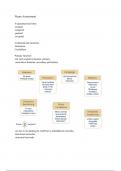
Pediatric Assessment Triangle : (3) components - answer: Appearance. Work of Breathing.
Circulation to the skin. This forms the "general impression".
If there is an acute disruption in 1 component, child is "sicker".
If there is an acute disruption in 2+ components the child is "sickest"
PQRST for Pain - answer: (pg86)
Precipitating and palliating factors
Quality
Radiation
Severity, symptoms, and site
Time or triggering factors
Ultimate 2025/2026 Study Guide (123 Verified
Questions & 100% Correct Answers)
A 4-year-old presents with vomiting, lethargy, frequent urination, weight loss, and dry mucous
membranes. Vital signs reveal deep respirations at 44 breaths per minute, BP of 70/44 mm Hg,
and HR of 144 beats per minute. Which of the following laboratory values would be most
expected in this child? - answer: Hypoglycemia (wrong)
Remediation feedback:
Children can present with new onset diabetes in diabetic ketoacidosis. Manifestations include
signs of dehydration ( dry mucous membranes, hypotension, tachycardia), incontinence
(polyuria), vomiting, abdominal pain, Kussmaul respirations (to counter the acidosis), polydipsia,
anorexia, and weight loss. Expected laboratory values would reveal an acidotic state with a pH
level below 7.3, an elevated serum bIcarbonate level, and an elevated blood glucose level > 200
mg.dL.
Which patient reflects an EMTALA compliant transfer? - answer: An infant with respiratory
difficulties being transferred to another hospital with the same level of pediatric care. Parents
are not present, and records are copied. (wrong)
Remediation feedback:
Which of the following is the priority intervention for the nurse caring for an
immunocompromised pediatric patient with a fever? - answer: Placement in a negative
pressure room
,A 2-year-old arrives with parents stating the child may have ingested a button battery. The
patient initially choked and coughed and is now drooling with bloody sputum. Which of the
following is the priority intervention? - answer: Prepare the patient for hospitalization
During the assessment of a 16-year-old patient, the ED nurse identifies them as a potential sex
trafficking victim. Which of the following trauma-informed care principles has the highest
priority for this patient? - answer: Physical and psychological safety
A 5-year-old presents with sudden onset nausea, vomiting, abdominal cramping, hives, and
hypotension after eating lunch. Which of the following is the priority intervention? - answer:
Intramuscular epinephrine
A 10-year-old arrives at the ED post motor vehicle crash. The following assessment is noted:
hypotension, tachycardia, absent breath sounds from the left chest with an increased
respiratory rate, pain on palpation of the pelvis, tinge of blood noted at the urinary meatus,
moderate active bleeding from a laceration to left thigh, pulse oximetry of 86% without
supplemental oxygen, deformity to the left upper leg, and a Glasgow Coma Score of 7. Which of
the following orders will prompt the nurse to have a discussion with the provider before
initiating? - answer: Assist with chest tube insertion (wrong)
Remediation feedback:
Urinary catheters are contraindicated for placement if pelvic injury is suspected or blood is
noted at the urinary meatus. Scrotal or perineal discolorations with edema to the areas is also a
contraindication for this adjunct.
A child with bipolar disorder is brought to the emergency department for increasing irritability,
agitation, pressured speech, and a decreased need for sleep. What should be included in the
plan of care for this child? - answer: Performing a suicide risk assessment
A 5-year-old child presents with hives, swelling of the lips and face, and stridor that developed
about an hour after eating lunch. The child has no known allergies. Which of the following is the
priority intervention? - answer: Administer intramuscular epinephrine
, Which of the following pathologic processes would most likely be attributed to a primary
diagnosis of cystic fibrosis? - answer: Constipation
Which of the following is a family-centered care concept ? - answer: Cultural backgrounds are
assessed and incorporated into the plan of care.
A caregiver presents to the emergency department with an 18-month-old and reports the child
is not using their left arm after playing a game with an older sibling. The child is alert and
curious, with regular, even respirations, and skin color is appropriate. Using the Pediatric
Assessment Triangle (PAT), how would you categorize this patient? - answer: Sick
Components in the prioritization of pediatric emergency care (4) - answer: PAT, Focused
Assessment (objective information), Focused pediatric Hx(subjective information), assignment
of an acuity rating decision
Pediatric Assessment Triangle : (3) components - answer: Appearance. Work of Breathing.
Circulation to the skin. This forms the "general impression".
If there is an acute disruption in 1 component, child is "sicker".
If there is an acute disruption in 2+ components the child is "sickest"
PQRST for Pain - answer: (pg86)
Precipitating and palliating factors
Quality
Radiation
Severity, symptoms, and site
Time or triggering factors