Final Exam - NURS 3366 with answers
|\ |\ |\ |\ |\ |\
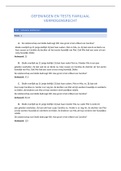
Stats to memorize
|\ |\
pH
CO2
HCO3
PaO2
blood glucose |\
normal capillary refill
|\ |\
7.35-7.45
35-45
22-28
80-100
70-99
<2 seconds
|\
Your patient comes in with diabetes insipidus. Explain the
|\ |\ |\ |\ |\ |\ |\ |\ |\
pathophysiology behind their fluid volume deficit. |\ |\ |\ |\ |\
- under-secretion of ADH
|\ |\ |\
- polyuria, dilute urine
|\ |\ |\
- serum osmolality increase
|\ |\ |\
- sunken eyes, dry membranes, poor skin turgor
|\ |\ |\ |\ |\ |\ |\
,A patient with brain damage comes into the ER. They have a
|\ |\ |\ |\ |\ |\ |\ |\ |\ |\ |\ |\
sudden onset of peripheral edema and crackling in the lungs.
|\ |\ |\ |\ |\ |\ |\ |\ |\ |\
What could be the possible cause, and why?
|\ |\ |\ |\ |\ |\ |\
- SIADH
|\
- large, over-secretion of ADH
|\ |\ |\ |\
- causes body to hold on to a ton of water (oliguria)
|\ |\ |\ |\ |\ |\ |\ |\ |\ |\ |\
- fluid volume overload, causes water to shift into tissues
|\ |\ |\ |\ |\ |\ |\ |\ |\
A patient comes in exhibiting signs and symptoms of Grave's.
|\ |\ |\ |\ |\ |\ |\ |\ |\ |\
What signs and symptoms would lead you to believe they have
|\ |\ |\ |\ |\ |\ |\ |\ |\ |\ |\
entered crisis state? |\ |\
thyroid storm |\
- extreme tachycardia, HF, shock, 103-105, agitation, delirium,
|\ |\ |\ |\ |\ |\ |\ |\
seizures
- due to very high metabolism
|\ |\ |\ |\ |\
Lab: T4 high, TSH low
|\ |\ |\ |\
What are the two main causes of hhpothyroidism?
|\ |\ |\ |\ |\ |\ |\
Hashimoto's thyroiditis and endemic iodine deficieny |\ |\ |\ |\ |\
,A comatose patient comes into the ER. Their medical record
|\ |\ |\ |\ |\ |\ |\ |\ |\ |\
states that they have hypothyroidism. Explain why they are likely
|\ |\ |\ |\ |\ |\ |\ |\ |\
in a coma.
|\ |\ |\
myxedema crisis |\
-hypotension, hypoventilation, extremely low metabolism |\ |\ |\ |\
- face is very bloated due to fat buildup behind the eyes
|\ |\ |\ |\ |\ |\ |\ |\ |\ |\ |\
Lab: low T4, high TSH |\ |\ |\ |\
When is PTH secreted and what cells in the bone does it affect?
|\ |\ |\ |\ |\ |\ |\ |\ |\ |\ |\ |\
hypocalcemia (low Ca), osteoclasts (to break up bone for calcium |\ |\ |\ |\ |\ |\ |\ |\ |\
resorption)
|\
When is calcitonin secreted and what cells in the bone does it
|\ |\ |\ |\ |\ |\ |\ |\ |\ |\ |\ |\
affect?
hypercalcemia (too much calcium), osteoblasts (to build more |\ |\ |\ |\ |\ |\ |\ |\
bone, bring Ca out of blood into bone)
|\ |\ |\ |\ |\ |\ |\
A patient comes into the ER feeling lethargic and weak. You run a
|\ |\ |\ |\ |\ |\ |\ |\ |\ |\ |\ |\
blood test and find that their serum calcium levels are extremely
|\ |\ |\ |\ |\ |\ |\ |\ |\ |\ |\
high. What might be the pathophysiological reasoning behind
|\ |\ |\ |\ |\ |\ |\ |\ |\
their symptoms? |\
hypercalcemia = hyperpolarized |\ |\
- muscles take longer to contract, making the person feel weak
|\ |\ |\ |\ |\ |\ |\ |\ |\ |\ |\
and lethargic |\
, - might be hypercalcemic due to over secretion of PTH, which
|\ |\ |\ |\ |\ |\ |\ |\ |\ |\ |\
normally increases Ca in the blood |\ |\ |\ |\ |\
- could also be undersecretion of calcitonin, not bringing in
|\ |\ |\ |\ |\ |\ |\ |\ |\ |\
enough Ca into the bone |\ |\ |\ |\
A patient comes into the ER experiencing tetany and muscle
|\ |\ |\ |\ |\ |\ |\ |\ |\ |\
spasms. You run a blood test and their labs come back with very
|\ |\ |\ |\ |\ |\ |\ |\ |\ |\ |\ |\ |\
low levels of calcium. You check for a Chvostek's sign, and they
|\ |\ |\ |\ |\ |\ |\ |\ |\ |\ |\ |\
are positive. What is the most likely cause of these symptoms?
|\ |\ |\ |\ |\ |\ |\ |\ |\ |\
hypocalcemia = hypopolarized |\ |\
- muscles take less time to contract, makes person spasm easily
|\ |\ |\ |\ |\ |\ |\ |\ |\ |\
- might be hypocalcemia due to oversecretion of calcitonin, which
|\ |\ |\ |\ |\ |\ |\ |\ |\
normally decreases the Ca in the blood
|\ |\ |\ |\ |\ |\ |\
- could also be due to undersecretion of PTH, which would
|\ |\ |\ |\ |\ |\ |\ |\ |\ |\ |\
normally increase Ca in blood |\ |\ |\ |\
A 70 year old woman comes into the ER with a fractured femur.
|\ |\ |\ |\ |\ |\ |\ |\ |\ |\ |\ |\ |\
After completing a bone scan, it is confirmed that she has
|\ |\ |\ |\ |\ |\ |\ |\ |\ |\ |\
osteoporosis. What are some of the causes for her osteoporosis? |\ |\ |\ |\ |\ |\ |\ |\ |\
- CKD, long term hypocalcemia problems
|\ |\ |\ |\ |\
- problem with nephron
|\ |\ |\
- oversecretion of PTH
|\ |\ |\
- undersecretion of calcitonin
|\ |\ |\
- age-related, too much osteoclastic activity
|\ |\ |\ |\ |\
- menopause, less estrogen means more osteoclast activity
|\ |\ |\ |\ |\ |\ |\
|\ |\ |\ |\ |\ |\
Stats to memorize
|\ |\
pH
CO2
HCO3
PaO2
blood glucose |\
normal capillary refill
|\ |\
7.35-7.45
35-45
22-28
80-100
70-99
<2 seconds
|\
Your patient comes in with diabetes insipidus. Explain the
|\ |\ |\ |\ |\ |\ |\ |\ |\
pathophysiology behind their fluid volume deficit. |\ |\ |\ |\ |\
- under-secretion of ADH
|\ |\ |\
- polyuria, dilute urine
|\ |\ |\
- serum osmolality increase
|\ |\ |\
- sunken eyes, dry membranes, poor skin turgor
|\ |\ |\ |\ |\ |\ |\
,A patient with brain damage comes into the ER. They have a
|\ |\ |\ |\ |\ |\ |\ |\ |\ |\ |\ |\
sudden onset of peripheral edema and crackling in the lungs.
|\ |\ |\ |\ |\ |\ |\ |\ |\ |\
What could be the possible cause, and why?
|\ |\ |\ |\ |\ |\ |\
- SIADH
|\
- large, over-secretion of ADH
|\ |\ |\ |\
- causes body to hold on to a ton of water (oliguria)
|\ |\ |\ |\ |\ |\ |\ |\ |\ |\ |\
- fluid volume overload, causes water to shift into tissues
|\ |\ |\ |\ |\ |\ |\ |\ |\
A patient comes in exhibiting signs and symptoms of Grave's.
|\ |\ |\ |\ |\ |\ |\ |\ |\ |\
What signs and symptoms would lead you to believe they have
|\ |\ |\ |\ |\ |\ |\ |\ |\ |\ |\
entered crisis state? |\ |\
thyroid storm |\
- extreme tachycardia, HF, shock, 103-105, agitation, delirium,
|\ |\ |\ |\ |\ |\ |\ |\
seizures
- due to very high metabolism
|\ |\ |\ |\ |\
Lab: T4 high, TSH low
|\ |\ |\ |\
What are the two main causes of hhpothyroidism?
|\ |\ |\ |\ |\ |\ |\
Hashimoto's thyroiditis and endemic iodine deficieny |\ |\ |\ |\ |\
,A comatose patient comes into the ER. Their medical record
|\ |\ |\ |\ |\ |\ |\ |\ |\ |\
states that they have hypothyroidism. Explain why they are likely
|\ |\ |\ |\ |\ |\ |\ |\ |\
in a coma.
|\ |\ |\
myxedema crisis |\
-hypotension, hypoventilation, extremely low metabolism |\ |\ |\ |\
- face is very bloated due to fat buildup behind the eyes
|\ |\ |\ |\ |\ |\ |\ |\ |\ |\ |\
Lab: low T4, high TSH |\ |\ |\ |\
When is PTH secreted and what cells in the bone does it affect?
|\ |\ |\ |\ |\ |\ |\ |\ |\ |\ |\ |\
hypocalcemia (low Ca), osteoclasts (to break up bone for calcium |\ |\ |\ |\ |\ |\ |\ |\ |\
resorption)
|\
When is calcitonin secreted and what cells in the bone does it
|\ |\ |\ |\ |\ |\ |\ |\ |\ |\ |\ |\
affect?
hypercalcemia (too much calcium), osteoblasts (to build more |\ |\ |\ |\ |\ |\ |\ |\
bone, bring Ca out of blood into bone)
|\ |\ |\ |\ |\ |\ |\
A patient comes into the ER feeling lethargic and weak. You run a
|\ |\ |\ |\ |\ |\ |\ |\ |\ |\ |\ |\
blood test and find that their serum calcium levels are extremely
|\ |\ |\ |\ |\ |\ |\ |\ |\ |\ |\
high. What might be the pathophysiological reasoning behind
|\ |\ |\ |\ |\ |\ |\ |\ |\
their symptoms? |\
hypercalcemia = hyperpolarized |\ |\
- muscles take longer to contract, making the person feel weak
|\ |\ |\ |\ |\ |\ |\ |\ |\ |\ |\
and lethargic |\
, - might be hypercalcemic due to over secretion of PTH, which
|\ |\ |\ |\ |\ |\ |\ |\ |\ |\ |\
normally increases Ca in the blood |\ |\ |\ |\ |\
- could also be undersecretion of calcitonin, not bringing in
|\ |\ |\ |\ |\ |\ |\ |\ |\ |\
enough Ca into the bone |\ |\ |\ |\
A patient comes into the ER experiencing tetany and muscle
|\ |\ |\ |\ |\ |\ |\ |\ |\ |\
spasms. You run a blood test and their labs come back with very
|\ |\ |\ |\ |\ |\ |\ |\ |\ |\ |\ |\ |\
low levels of calcium. You check for a Chvostek's sign, and they
|\ |\ |\ |\ |\ |\ |\ |\ |\ |\ |\ |\
are positive. What is the most likely cause of these symptoms?
|\ |\ |\ |\ |\ |\ |\ |\ |\ |\
hypocalcemia = hypopolarized |\ |\
- muscles take less time to contract, makes person spasm easily
|\ |\ |\ |\ |\ |\ |\ |\ |\ |\
- might be hypocalcemia due to oversecretion of calcitonin, which
|\ |\ |\ |\ |\ |\ |\ |\ |\
normally decreases the Ca in the blood
|\ |\ |\ |\ |\ |\ |\
- could also be due to undersecretion of PTH, which would
|\ |\ |\ |\ |\ |\ |\ |\ |\ |\ |\
normally increase Ca in blood |\ |\ |\ |\
A 70 year old woman comes into the ER with a fractured femur.
|\ |\ |\ |\ |\ |\ |\ |\ |\ |\ |\ |\ |\
After completing a bone scan, it is confirmed that she has
|\ |\ |\ |\ |\ |\ |\ |\ |\ |\ |\
osteoporosis. What are some of the causes for her osteoporosis? |\ |\ |\ |\ |\ |\ |\ |\ |\
- CKD, long term hypocalcemia problems
|\ |\ |\ |\ |\
- problem with nephron
|\ |\ |\
- oversecretion of PTH
|\ |\ |\
- undersecretion of calcitonin
|\ |\ |\
- age-related, too much osteoclastic activity
|\ |\ |\ |\ |\
- menopause, less estrogen means more osteoclast activity
|\ |\ |\ |\ |\ |\ |\