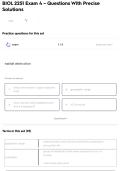
BIOL 2251 Exam 4 – Questions With Precise
Solutions
Save
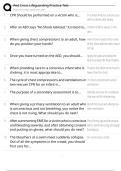
Practice questions for this set
Learn 1/5 Study with Learn
habitat destruction
Choose an answer
what is the number 1 cause of species
1 2 geographic range
loss?
when was the IUCN established and
3 4 IUCN red list
why is it important?
Don't know?
Terms in this set (93)
spatial location and total area covered by a population
geographic range
during their life
group of individuals of the same species that occur in
an area
population
-share same gene pool
, abundance total number of individuals within the population
density total number of individuals per unit of area or volume
inventory of the global conservation status of biological
species
IUCN red list
- evaluates the risk of extinction of thousands of species
and subspecies
population trend changes over time
interventions undertaken by project staff or partners
conservation actions designed to reach the projects objectives and ultimate
conservation goals
threats human activity
- geographic range
explain population
- abundance
properties
- density
- populations with narrow ranges might be easily
fragmented
what are the implications of
- populations restricted to small areas are more
the geographic range size
susceptible to disturbances
and shape?
- populations with a large geographic range are less
vulnerable to disturbances
the smaller the geographic range of a species, the more
what is the relationship
vulnerable they are, more susceptible to change and
between abundance of a
diversity
species and the geographic
range of the species?
**as size of islands increases species richness increases
why are endemic species distribution ranges and population sizes of the species
more at risk for becoming will be reduced
endangered than - more vulnerable to extinction
cosmopolitan species?
when was the IUCN 1948 to protect endangered species
established and why is it
important?
biogeography geographical distribution of plants and animals
Solutions
Save
Practice questions for this set
Learn 1/5 Study with Learn
habitat destruction
Choose an answer
what is the number 1 cause of species
1 2 geographic range
loss?
when was the IUCN established and
3 4 IUCN red list
why is it important?
Don't know?
Terms in this set (93)
spatial location and total area covered by a population
geographic range
during their life
group of individuals of the same species that occur in
an area
population
-share same gene pool
, abundance total number of individuals within the population
density total number of individuals per unit of area or volume
inventory of the global conservation status of biological
species
IUCN red list
- evaluates the risk of extinction of thousands of species
and subspecies
population trend changes over time
interventions undertaken by project staff or partners
conservation actions designed to reach the projects objectives and ultimate
conservation goals
threats human activity
- geographic range
explain population
- abundance
properties
- density
- populations with narrow ranges might be easily
fragmented
what are the implications of
- populations restricted to small areas are more
the geographic range size
susceptible to disturbances
and shape?
- populations with a large geographic range are less
vulnerable to disturbances
the smaller the geographic range of a species, the more
what is the relationship
vulnerable they are, more susceptible to change and
between abundance of a
diversity
species and the geographic
range of the species?
**as size of islands increases species richness increases
why are endemic species distribution ranges and population sizes of the species
more at risk for becoming will be reduced
endangered than - more vulnerable to extinction
cosmopolitan species?
when was the IUCN 1948 to protect endangered species
established and why is it
important?
biogeography geographical distribution of plants and animals