Basic Adult Final Exam – Complete Questions and Correct
Answers | Verified Study Guide
Mental Health
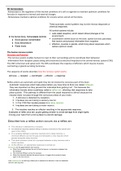
1. Ethical issues Ch.3 pg. 39
Ethical Principles:
• Autonomy: Respect for an individual RIGHT for their own decision
• Non maleficence: Cause NO HARM to others
• Beneficence: Duty to DO GOOD to others
• Justice: being fair
• Veracity: obligation to tell the truth
• Fidelity: keeping a promise
o Patient Rights:
▪ Privacy
▪ Considerate & respectful
▪ To be informed
▪ Know names/roles of persons involved in care
▪ Have Advanced Directive
▪ Obtain their own medical records
o Consent: Admission agreement, Immunization consent, Blood transfusion, surgical, research, and special
consent.
2.) Voluntary vs Involuntary admissions
• Voluntary Admission: Individual makes and application to the institute for services & can stay as long as
TX is deemed necessary. They may sign out of hospital at any time, unless they are a harm to themselves
or others.
• Involuntary Admission: Sought out when an individual is mentally ill & displays behavior that is
dangerous to themselves or others, gravely disabled patient, involuntary outpatient commitment.
Court
hearing must be scheduled to decide whether the PT Should be DISCHARGED OR NOT or needs more
time in hospital.
3.) Advanced directives:
• Legal document an Individual signs that outlines type of medical care they WANT or DO NOT WANT in
case they become incapacitated & unable to make decisions. -> DNR, DNI, Living will, Medical POA
4.) Eating disorders:
Anorexia Nervosa: patients to obsess about their weight & what they eat/ See’s themselves “Overweight” ->
Distorted body image, FEAR of being Overweight.
Starvation → Malnutrition Vigorous Exercise-> OCD repetitive behavior
• < Weight (BMI <18.5), < BP, < HR, Decreased sexual development, < Subcutaneous Tissue-hypothermia
(below 96.8 F), period regularity- amenorrhea, Refuses to eat, Lanugo, DOES NOT purge, restricts eating,
constipation (from dehydration) .
• Feelings of Anxiety/Depression, ABUSE of laxatives/diuretics
• Monitor 30 mins after meals/ follow patient so they will not vomit
• Treatment: Stable vitals, labs/serum studies, adequate nutrition with calories, teach coping skills,
,Basic Adult Final Exam – Complete Questions and Correct
Answers | Verified Study Guide
maintain trust, have the patient be part of decision making, therapy-group/family, Gain weight slowly 2-3
pounds/weekly
• Meds-> Fluoxetine 1st line TX for ED
,Basic Adult Final Exam – Complete Questions and Correct
Answers | Verified Study Guide
• Risk Factors: Adolescent girls, high suicide
• Bulimia Nervosa: Patients have a distorted view of body image & an obsessive desire to lose
weight. UNCONTROLLED BINGE EATING AT ONE TIME THEN VOMITING
• -- Eating disorder that involves 2 cycles: Episodic / large quantities of food
1. Episodes of uncontrolled binge eating in secret (eating a lot of food at once)
2. Followed by self-induced vomiting or purging. Also, the use of laxatives, diuretics, and
fasting to prevent weight gain, along with even excessive exercise.
• Normal Weight to overweight BMI = 18.5-30 / weight fluctuations
• Tooth & gum deterioration, bad breath, Scaly skin, Normal body weight
• Interventions: Monitor patient during and after meals for acts of purging 1-2 hours, one to
one supervision with meals, monitor fluid & electrolyte imbalances, check for hidden
binging or
purging, food diary
• Complications: Refeeding Syndrome when fluids, electrolytes, carbs introduced to quickly, TX
should be done SLOWLY to avoid syndrome.
• Binge Eating: Binge eating but does NOT purge
• Tend to be overweight
• Moderate 4-7 episodes of binging
• Causes: Depression, hatred, shame, guilt
• Associated with PICA
5.) Milieu:
• Conditioned environment to help people with interactions in community setting.
• Patients are expected to learn adaptive coping, interaction, relationship skills, that can generalize to
other aspects of their lives.
• 7 basics beliefs= The Health in everyone is to be realized & encouraged to grow, every interaction is an
opportunity for therapeutic intervention, The patient owns his or her own environment, each patient
owns their behavior, Peer pressure is a useful and powerful tool, Inappropriate behaviors are dealt
with as they occur, Restrictions/Punishments are to be avoided.
6.) PTSD: Reaction to extreme TRAUMA “Experience, Individual, Environment”
• Natural, man-made disasters, combat, serious accidents, witnessing violent death, being of victim of
torture, terrorism, rape, or other crimes 10 % of Trauma victims develop PTSD
• More common in Women = Experiences sexual assault/ Childhood sexual abuse
• Men= accidents, physical assaults, combat, witness death/injury
• Begins within first 3 months after Trauma, may be delayed for several months/years
-Symptoms Present for more than 1 month, causing significant interference with social, occupational,
other functioning areas.
S/S: increased anxiety, Amnesia to certain aspects of the Trauma, depression, survivor’s guilt, substance
abuse, aggression, relationship problems, numbing of responsiveness
• Sweating, pounding heart • Persistent anger
• Hypervigilance & restless Flashbacks & Reliving the event
• Feeling detached from others
• Insomnia • Recurring nightmares Avoiding reminders of trauma
Assess: Self-harm: thoughts or plans
-Substance abuse (drugs & alcohol)
, Basic Adult Final Exam – Complete Questions and Correct
Answers | Verified Study Guide
-Relationships with family & friends
- Explain that difficult symptoms after the trauma are normal
Answers | Verified Study Guide
Mental Health
1. Ethical issues Ch.3 pg. 39
Ethical Principles:
• Autonomy: Respect for an individual RIGHT for their own decision
• Non maleficence: Cause NO HARM to others
• Beneficence: Duty to DO GOOD to others
• Justice: being fair
• Veracity: obligation to tell the truth
• Fidelity: keeping a promise
o Patient Rights:
▪ Privacy
▪ Considerate & respectful
▪ To be informed
▪ Know names/roles of persons involved in care
▪ Have Advanced Directive
▪ Obtain their own medical records
o Consent: Admission agreement, Immunization consent, Blood transfusion, surgical, research, and special
consent.
2.) Voluntary vs Involuntary admissions
• Voluntary Admission: Individual makes and application to the institute for services & can stay as long as
TX is deemed necessary. They may sign out of hospital at any time, unless they are a harm to themselves
or others.
• Involuntary Admission: Sought out when an individual is mentally ill & displays behavior that is
dangerous to themselves or others, gravely disabled patient, involuntary outpatient commitment.
Court
hearing must be scheduled to decide whether the PT Should be DISCHARGED OR NOT or needs more
time in hospital.
3.) Advanced directives:
• Legal document an Individual signs that outlines type of medical care they WANT or DO NOT WANT in
case they become incapacitated & unable to make decisions. -> DNR, DNI, Living will, Medical POA
4.) Eating disorders:
Anorexia Nervosa: patients to obsess about their weight & what they eat/ See’s themselves “Overweight” ->
Distorted body image, FEAR of being Overweight.
Starvation → Malnutrition Vigorous Exercise-> OCD repetitive behavior
• < Weight (BMI <18.5), < BP, < HR, Decreased sexual development, < Subcutaneous Tissue-hypothermia
(below 96.8 F), period regularity- amenorrhea, Refuses to eat, Lanugo, DOES NOT purge, restricts eating,
constipation (from dehydration) .
• Feelings of Anxiety/Depression, ABUSE of laxatives/diuretics
• Monitor 30 mins after meals/ follow patient so they will not vomit
• Treatment: Stable vitals, labs/serum studies, adequate nutrition with calories, teach coping skills,
,Basic Adult Final Exam – Complete Questions and Correct
Answers | Verified Study Guide
maintain trust, have the patient be part of decision making, therapy-group/family, Gain weight slowly 2-3
pounds/weekly
• Meds-> Fluoxetine 1st line TX for ED
,Basic Adult Final Exam – Complete Questions and Correct
Answers | Verified Study Guide
• Risk Factors: Adolescent girls, high suicide
• Bulimia Nervosa: Patients have a distorted view of body image & an obsessive desire to lose
weight. UNCONTROLLED BINGE EATING AT ONE TIME THEN VOMITING
• -- Eating disorder that involves 2 cycles: Episodic / large quantities of food
1. Episodes of uncontrolled binge eating in secret (eating a lot of food at once)
2. Followed by self-induced vomiting or purging. Also, the use of laxatives, diuretics, and
fasting to prevent weight gain, along with even excessive exercise.
• Normal Weight to overweight BMI = 18.5-30 / weight fluctuations
• Tooth & gum deterioration, bad breath, Scaly skin, Normal body weight
• Interventions: Monitor patient during and after meals for acts of purging 1-2 hours, one to
one supervision with meals, monitor fluid & electrolyte imbalances, check for hidden
binging or
purging, food diary
• Complications: Refeeding Syndrome when fluids, electrolytes, carbs introduced to quickly, TX
should be done SLOWLY to avoid syndrome.
• Binge Eating: Binge eating but does NOT purge
• Tend to be overweight
• Moderate 4-7 episodes of binging
• Causes: Depression, hatred, shame, guilt
• Associated with PICA
5.) Milieu:
• Conditioned environment to help people with interactions in community setting.
• Patients are expected to learn adaptive coping, interaction, relationship skills, that can generalize to
other aspects of their lives.
• 7 basics beliefs= The Health in everyone is to be realized & encouraged to grow, every interaction is an
opportunity for therapeutic intervention, The patient owns his or her own environment, each patient
owns their behavior, Peer pressure is a useful and powerful tool, Inappropriate behaviors are dealt
with as they occur, Restrictions/Punishments are to be avoided.
6.) PTSD: Reaction to extreme TRAUMA “Experience, Individual, Environment”
• Natural, man-made disasters, combat, serious accidents, witnessing violent death, being of victim of
torture, terrorism, rape, or other crimes 10 % of Trauma victims develop PTSD
• More common in Women = Experiences sexual assault/ Childhood sexual abuse
• Men= accidents, physical assaults, combat, witness death/injury
• Begins within first 3 months after Trauma, may be delayed for several months/years
-Symptoms Present for more than 1 month, causing significant interference with social, occupational,
other functioning areas.
S/S: increased anxiety, Amnesia to certain aspects of the Trauma, depression, survivor’s guilt, substance
abuse, aggression, relationship problems, numbing of responsiveness
• Sweating, pounding heart • Persistent anger
• Hypervigilance & restless Flashbacks & Reliving the event
• Feeling detached from others
• Insomnia • Recurring nightmares Avoiding reminders of trauma
Assess: Self-harm: thoughts or plans
-Substance abuse (drugs & alcohol)
, Basic Adult Final Exam – Complete Questions and Correct
Answers | Verified Study Guide
-Relationships with family & friends
- Explain that difficult symptoms after the trauma are normal