2020-2021
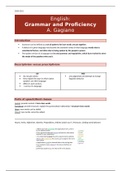
English:
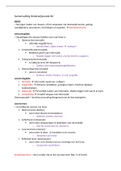
Grammar and Proficiency
A. Gagiano
Introduction
Grammar can be defined as a set of patterns for how words are put together.
A dialect of a given language may become the standard variety of that language mostly due to
coincidental factors, and often due to being spoken by the people in power.
The spoken version of a language has its own grammar and regularities, which have evolved to serve
the needs of the speakers who use it.
Descriptivism versus prescriptivism
DE- PRE-
do not give advice are judgmental and attempt to change
they explain the ways in which native linguistic behavior
speakers use their language
differs in each century
= survey of a language
Parts of speech/Word classes
Lexical: provide content = form class words
Functional: provide structure; explain the grammatical relationship = structure-class words
Open: new words can be added
Closed: new words cannot be added
Nouns, Verbs, Adjectives, Adverbs, Prepositions, Articles (watch out !), Pronouns, Linking words/phrases
, 2020-2021
There is no single way of analyzing words into classes. Items may belong to more than one class.
Unit 2: Parts of a sentence
Subject + verb (+object)
Clauses
1. Main clause
May only consist of a main clause
Subject and verb
Makes sense on its own
2. Co-ordinated clauses
Two main clauses
Each making sense on their own
Linked by conjunction, such as and, but or so.
= compound sentence
3. Dependent clauses
May consist of a main clause and one or more dependent clauses
Participle clause – Relative clause
Founded in 1922 – which was founded in 1922
= do not make sense on their own
Unit 4: Correct tense formation
Past Simple Present Perfect
If you are referring to a time in the past and When the time mentioned includes the
talking about something that was past and the present
completed at that time Have/has asked
Asked
Past Continuous Present Perfect Continuous
Describes an action or situation continuing Is used for something continuing for a
at a particular point in the past period of time starting in the past and still
Were dealing happening now
Have/has been dealing
Past Perfect Past perfect continuous
Refers to something that happened before Used for something that continued for a
or until a particular time in the past period of time before a particular point in
Had risen the past
Had been rising
English:
Grammar and Proficiency
A. Gagiano
Introduction
Grammar can be defined as a set of patterns for how words are put together.
A dialect of a given language may become the standard variety of that language mostly due to
coincidental factors, and often due to being spoken by the people in power.
The spoken version of a language has its own grammar and regularities, which have evolved to serve
the needs of the speakers who use it.
Descriptivism versus prescriptivism
DE- PRE-
do not give advice are judgmental and attempt to change
they explain the ways in which native linguistic behavior
speakers use their language
differs in each century
= survey of a language
Parts of speech/Word classes
Lexical: provide content = form class words
Functional: provide structure; explain the grammatical relationship = structure-class words
Open: new words can be added
Closed: new words cannot be added
Nouns, Verbs, Adjectives, Adverbs, Prepositions, Articles (watch out !), Pronouns, Linking words/phrases
, 2020-2021
There is no single way of analyzing words into classes. Items may belong to more than one class.
Unit 2: Parts of a sentence
Subject + verb (+object)
Clauses
1. Main clause
May only consist of a main clause
Subject and verb
Makes sense on its own
2. Co-ordinated clauses
Two main clauses
Each making sense on their own
Linked by conjunction, such as and, but or so.
= compound sentence
3. Dependent clauses
May consist of a main clause and one or more dependent clauses
Participle clause – Relative clause
Founded in 1922 – which was founded in 1922
= do not make sense on their own
Unit 4: Correct tense formation
Past Simple Present Perfect
If you are referring to a time in the past and When the time mentioned includes the
talking about something that was past and the present
completed at that time Have/has asked
Asked
Past Continuous Present Perfect Continuous
Describes an action or situation continuing Is used for something continuing for a
at a particular point in the past period of time starting in the past and still
Were dealing happening now
Have/has been dealing
Past Perfect Past perfect continuous
Refers to something that happened before Used for something that continued for a
or until a particular time in the past period of time before a particular point in
Had risen the past
Had been rising