Chapter 4
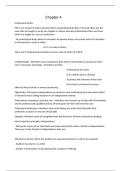
Professional ethics
There are 2 types of ethics personal ethics and professional ethics. Personal ethics are the
ones that are taught to us by our religion or culture whereas professional ethics are those
which are taught to us by our profession.
. No professional body allows its members to operate freely, every body wants its members
to be bound by a code of ethics.
A.C.C.A’s code of ethics:
There are 5 fundamental principles of acca’s code of ethics (C.O.P.P.I)
Confidentiality : Members must not disclose their client’s information to anyone for their
own or 3rd party advantage. Exceptions include:
. If allowed by the client
. If its a public duty to disclose
. To protect the interests of the client
. If the client is involved in serious
offences like terrorism or money laundering.
Objectivity: This means independence as members must avoid being bias and avoid conflict
of interests hence taking decisions in an independent manner.
Professional competence and due care : Members must remain up to date with all standards
and be professionally qualified and do all work given to them with extreme care.
Professional behaviour: Members must avoid taking any action that discredits their
profession or puts it in any sort of bad light.
Integrity: Members must be straightforward and honest in all their professional dealings.
Most important principle: Independence
. During the course of an audit there are many events that create a threat to independence.
There are 5 main threats to independence they are:
Self interest threat: When the auditor has a personal interest in a client, for example:
. Auditors has shares in a client
. Auditor is interested in a job opening the company is offering
, . The company is offering loans to the auditors at a reduced rate.
. The company is giving expensive gifts and hospitalities to the auditors.
. The auditors want to be chosen to perform other services for the client hence increasing
their revenue.
. A percentage of revenue is dependent on the client a sizeable percentage usually 15 % or
above.
Self review threat: When auditor is reviewing his own work
. When the same auditor prepares the client’s financial statements and then goes on to audit
them as well this is him essentially just checking his own work.
. Auditor was appointed to value the assets of the client and then he was appointed as the
auditor as well.
. The finance manager of the client has left and the auditor is filling on for him temporarily
until another replacement is found, and then he goes on to audit the client.
Familiarity threat : When auditor is too familiar with the client.
. When the auditor has close ties with the client be it business ties or personal ties the client
could be a potential family member as well.
. When the association between the auditor and the client has been going on for too long
this causes a familiarity threat.
Intimidation threat : When the auditor is being forced and pressurised to do a task that he or
she does not want to do.
. Threat of litigation
. Dominant person in a senior position at the client
. Threat of not giving auditors any other work
. Threat of overdue fees and the client threatening not to pay that fees.
Advocacy threat : When the auditor of the client is also acting as his advocate.
. Representing the client in a legal dispute
. Commenting publicly on events relating to the client.
. Meeting with investors on behalf of the client encouraging them to invest in the client.
L.V Fones
Professional ethics
There are 2 types of ethics personal ethics and professional ethics. Personal ethics are the
ones that are taught to us by our religion or culture whereas professional ethics are those
which are taught to us by our profession.
. No professional body allows its members to operate freely, every body wants its members
to be bound by a code of ethics.
A.C.C.A’s code of ethics:
There are 5 fundamental principles of acca’s code of ethics (C.O.P.P.I)
Confidentiality : Members must not disclose their client’s information to anyone for their
own or 3rd party advantage. Exceptions include:
. If allowed by the client
. If its a public duty to disclose
. To protect the interests of the client
. If the client is involved in serious
offences like terrorism or money laundering.
Objectivity: This means independence as members must avoid being bias and avoid conflict
of interests hence taking decisions in an independent manner.
Professional competence and due care : Members must remain up to date with all standards
and be professionally qualified and do all work given to them with extreme care.
Professional behaviour: Members must avoid taking any action that discredits their
profession or puts it in any sort of bad light.
Integrity: Members must be straightforward and honest in all their professional dealings.
Most important principle: Independence
. During the course of an audit there are many events that create a threat to independence.
There are 5 main threats to independence they are:
Self interest threat: When the auditor has a personal interest in a client, for example:
. Auditors has shares in a client
. Auditor is interested in a job opening the company is offering
, . The company is offering loans to the auditors at a reduced rate.
. The company is giving expensive gifts and hospitalities to the auditors.
. The auditors want to be chosen to perform other services for the client hence increasing
their revenue.
. A percentage of revenue is dependent on the client a sizeable percentage usually 15 % or
above.
Self review threat: When auditor is reviewing his own work
. When the same auditor prepares the client’s financial statements and then goes on to audit
them as well this is him essentially just checking his own work.
. Auditor was appointed to value the assets of the client and then he was appointed as the
auditor as well.
. The finance manager of the client has left and the auditor is filling on for him temporarily
until another replacement is found, and then he goes on to audit the client.
Familiarity threat : When auditor is too familiar with the client.
. When the auditor has close ties with the client be it business ties or personal ties the client
could be a potential family member as well.
. When the association between the auditor and the client has been going on for too long
this causes a familiarity threat.
Intimidation threat : When the auditor is being forced and pressurised to do a task that he or
she does not want to do.
. Threat of litigation
. Dominant person in a senior position at the client
. Threat of not giving auditors any other work
. Threat of overdue fees and the client threatening not to pay that fees.
Advocacy threat : When the auditor of the client is also acting as his advocate.
. Representing the client in a legal dispute
. Commenting publicly on events relating to the client.
. Meeting with investors on behalf of the client encouraging them to invest in the client.
L.V Fones