ENG LANG REVISION
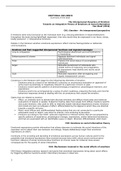
The explorer's daughter (autobiography)
Para1: Respects the narwhal
Para2: Respects the hunter
Para3: Conflicted views
Informative/ factual language:
Throughout the text the clear, factual details gives the writing a tone of expertise
and shows the reader is knowledgeable about the area and topic. Does this using
jargon. Also uses these facts show without hunting eskimos would struggle to
survive.
Language:
"spectral play of colour", "glittering kingdom" is imagery used to
set the scene and describe the beauty and majestical nature of the Arctic.
It creates the impression of a magical fantasy land that is detached from
the real world. This creates a sense of mystery and engages the reader.
"butter-gold" shows warmth and richness, emphasising the beauty of the
arctic scene.
"They talk to each other underwater" - humane, killing humans is
unethical
"soft billows of smoke" is sensory language which adds to the
tranquillity and beauty of the scene which contrast with the violence of the
hunt. Contrasting b and s sounds.
"Intelligent creatures", "slowly, methodically passing" these
adverbs/adj make the reader sympathise and relate to the Narwhal which
is portrayed as beautiful and elegant but they are also intelligent which
shows respect.
"essential, survival, necessary, valuable, only" emphasise the need
to hunt these creatures in order to survive and she is trying to justify this
" It was like watching a vast, waterborne game… the hunters
spread like a net around the sound." is a simile to help the reader
visualise the scene and suggests the scale of the hunt is 'vast' so
teamwork is required in order to be successful and is describing it like a
sport.
"in that split second my heart left for both hunter and narwhal" is
a metaphor to show her conflicting views about the hunt and the
uncertainty where it should be allowed or not. Her "heart leaping" gives
the impression that she cares about both the Inughuits and narwhals
survival.
, "Flimsy Kayak", "Easily capsized… drowned", "No rifle" are words
and phrases to make the reader sympathise with the hunters. She
emphasises the archaic equipment they're using and shows level of risk
taken to provide for their families - shows their bravery
Structure:
Initially, figurative language is used to create an emotional connection
with the narwhal, to portray it as a sentient rather than just being prey.
The tone then shifts to a factual detached style when discussing the
hunting. This transition reflects the internal conflict between emotional
empathy for the narwhal and the necessity of hunting for survival.
Listing used to show the uses of the ivory tusks like tools, weapons and
trade resources to try and justify hunting as something essential rather
than cruel.
Use of dashes to show her inner thoughts which mirror the hesitation and
internal debate about hunting to show moral struggle.
" My heart urged the narwhal to dive, to leave, to survive" is a list
of 3 to share her inner thoughts with the reader. The hunt is necessary but
also hops the narwhal can survive. It highlights her internal struggle with
the morality of killing a living thing.
"nor do they kill for sport" is trying to justify hunting to show the
survival mechanism for the hunters are they are not needlessly cruel.
"They use every part of the animal" is an attempt of the writer trying
to communicate the attitude and respect the hunters actually have for
the whales to make them appear more humane and less barbaric. It
suggests a harmonious relationship with nature rather than exploitation.
"Hunting is still an absolute necessity in Thule" is a declarative
sentence which shows her assertion and confidence that this is a fact
and unavoidable in this region and closes any debate on the matter as it is
necessary for survival.
, 1st person shows her inner thoughts and opinions so we understand the
complexity of the situation further.
THE DANGER OF A SINGLE STORY (SPEECH)
Para1: stereotyping is dangerous
Para2: we are all guilty of stereotyping
Para 3: stories can be empowering and make a change
American roommate:
Adiche references her experiences of moving to USA and that she was surprised
of her roommates initial perception of her as an African. It enlightened her
understanding of how African's were perceived and understood by those on other
continents
Visit to Mexico:
Adichie reflects on a visit to Mexico to highlight that we're all guilty of judging
people/cultures and no one is immune to it. Adichie is intentionally encouraging
the audience to make a conscious effort not to stereotype people based on what
they've read/seen/heard
Language:
"We didn’t have snow, we ate mangoes and we never talked about
the weather" The collective pronoun 'we' refers to her upbringings in
Africa and gives a sense of unity and inclusivity. Contrasts behaviour of
Nigerians with those in English/American literature and shows how little
she could relate to the stories she was reading.
"what this demonstrates is how impressionable and vulnerable we
are in the face of a story" The emotive language creates a more
serious tone and encourages the reader to reflect on how harmful stories
can be when read in isolation. The reader will question what they read and
not fall into the common pitfall that is stereotyping.
The explorer's daughter (autobiography)
Para1: Respects the narwhal
Para2: Respects the hunter
Para3: Conflicted views
Informative/ factual language:
Throughout the text the clear, factual details gives the writing a tone of expertise
and shows the reader is knowledgeable about the area and topic. Does this using
jargon. Also uses these facts show without hunting eskimos would struggle to
survive.
Language:
"spectral play of colour", "glittering kingdom" is imagery used to
set the scene and describe the beauty and majestical nature of the Arctic.
It creates the impression of a magical fantasy land that is detached from
the real world. This creates a sense of mystery and engages the reader.
"butter-gold" shows warmth and richness, emphasising the beauty of the
arctic scene.
"They talk to each other underwater" - humane, killing humans is
unethical
"soft billows of smoke" is sensory language which adds to the
tranquillity and beauty of the scene which contrast with the violence of the
hunt. Contrasting b and s sounds.
"Intelligent creatures", "slowly, methodically passing" these
adverbs/adj make the reader sympathise and relate to the Narwhal which
is portrayed as beautiful and elegant but they are also intelligent which
shows respect.
"essential, survival, necessary, valuable, only" emphasise the need
to hunt these creatures in order to survive and she is trying to justify this
" It was like watching a vast, waterborne game… the hunters
spread like a net around the sound." is a simile to help the reader
visualise the scene and suggests the scale of the hunt is 'vast' so
teamwork is required in order to be successful and is describing it like a
sport.
"in that split second my heart left for both hunter and narwhal" is
a metaphor to show her conflicting views about the hunt and the
uncertainty where it should be allowed or not. Her "heart leaping" gives
the impression that she cares about both the Inughuits and narwhals
survival.
, "Flimsy Kayak", "Easily capsized… drowned", "No rifle" are words
and phrases to make the reader sympathise with the hunters. She
emphasises the archaic equipment they're using and shows level of risk
taken to provide for their families - shows their bravery
Structure:
Initially, figurative language is used to create an emotional connection
with the narwhal, to portray it as a sentient rather than just being prey.
The tone then shifts to a factual detached style when discussing the
hunting. This transition reflects the internal conflict between emotional
empathy for the narwhal and the necessity of hunting for survival.
Listing used to show the uses of the ivory tusks like tools, weapons and
trade resources to try and justify hunting as something essential rather
than cruel.
Use of dashes to show her inner thoughts which mirror the hesitation and
internal debate about hunting to show moral struggle.
" My heart urged the narwhal to dive, to leave, to survive" is a list
of 3 to share her inner thoughts with the reader. The hunt is necessary but
also hops the narwhal can survive. It highlights her internal struggle with
the morality of killing a living thing.
"nor do they kill for sport" is trying to justify hunting to show the
survival mechanism for the hunters are they are not needlessly cruel.
"They use every part of the animal" is an attempt of the writer trying
to communicate the attitude and respect the hunters actually have for
the whales to make them appear more humane and less barbaric. It
suggests a harmonious relationship with nature rather than exploitation.
"Hunting is still an absolute necessity in Thule" is a declarative
sentence which shows her assertion and confidence that this is a fact
and unavoidable in this region and closes any debate on the matter as it is
necessary for survival.
, 1st person shows her inner thoughts and opinions so we understand the
complexity of the situation further.
THE DANGER OF A SINGLE STORY (SPEECH)
Para1: stereotyping is dangerous
Para2: we are all guilty of stereotyping
Para 3: stories can be empowering and make a change
American roommate:
Adiche references her experiences of moving to USA and that she was surprised
of her roommates initial perception of her as an African. It enlightened her
understanding of how African's were perceived and understood by those on other
continents
Visit to Mexico:
Adichie reflects on a visit to Mexico to highlight that we're all guilty of judging
people/cultures and no one is immune to it. Adichie is intentionally encouraging
the audience to make a conscious effort not to stereotype people based on what
they've read/seen/heard
Language:
"We didn’t have snow, we ate mangoes and we never talked about
the weather" The collective pronoun 'we' refers to her upbringings in
Africa and gives a sense of unity and inclusivity. Contrasts behaviour of
Nigerians with those in English/American literature and shows how little
she could relate to the stories she was reading.
"what this demonstrates is how impressionable and vulnerable we
are in the face of a story" The emotive language creates a more
serious tone and encourages the reader to reflect on how harmful stories
can be when read in isolation. The reader will question what they read and
not fall into the common pitfall that is stereotyping.