Brand management samenvatting
Topic1:
Brand (past): a name, term, sign, symbol, or design, or a combination of them, intended to
identify the goods and services of one seller or group of sellers and to differentiate them from
those of competition.
● “A brand used to be what you said it was, and you were able to communicate that very
efficiently. Today, brands are the sum total of what others say that you are.”
● “It’s no longer 100% what the companies tell you about the brand — that has
stain-fighting power or what have you — but it’s really about
word of mouth, ratings and reviews.”
●
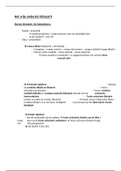
The 4 levels of Levitt
1. Core product:
→ The basic benefit: communication, staying connected,
accessing information.
2. Tangible product:
→ The physical smartphone itself with brand, design, features (e.g., iPhone 14 with
OLED display, camera, storage).
3. Augmented product:
→ Additional services or extras: warranty, customer support, software updates, apps,
accessories.
4. Total product:
→ The overall experience and value: status symbol, user experience, ecosystem
(Apple/Android), brand perception.
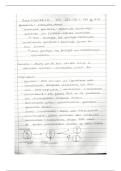
Left side: Product-driven brand philosophy
● Companies produce products.
● The product (marketing mix) defines the brand.
● The brand is sold to the consumer.
● The consumer influences sales, but mainly reacts to what companies produce.
● This is a more traditional, inside-out approach: The company decides what to make →
pushes it to consumers.
Right side: People-driven brand philosophy
● People buy brands.
● The brand is defined not only by the company, but also by people (customers,
community, employees).
● The product (marketing mix) supports the brand, but it’s not the only driver.
● The brand recruits people and people in turn help define
the brand (through loyalty, advocacy, experiences).
● This is a more modern, outside-in approach:The brand
lives in the minds and culture of people → companies
adapt based on consumer identity and engagement.
,Example of this is the blind taste test of pepsi/ diet coke. When there was a blind test 51% of the
people prefered Pepsi. When there was an identified test, people 65% preferred coke.
Brand (present):a product, but one that adds other
dimensions that differentiate it in some way from
other products designed to satisfy (the same) needs.
- The values can be rational and tangible, but
often are intangible, emotional and symbolic
Consumers value brands not just for their functional attributes but also for the sensory pleasure
and potential self-expression they may experience when buying and using the brand (brand
values),
Means-End Chain (MEC): Attributes → Consequences → Values
MEC Level Subtle Logo (black) Salient Logo (red)
Concrete Attribute Logo is discreet, less visible Logo is bold, highly visible
Abstract Attribute Exclusive, sophisticated Attention-grabbing, flashy
Functional Harder to notice, signals “insider Easy to notice, signals
Consequence knowledge” brand loudly
Psychosocial Feels more credible, increases Feels less credible, lower
Consequence status status
Instrumental Value Trust, security, authenticity Belonging, social
acceptance
Terminal Value Prestige, recognition, self-esteem Fun, visibility, expression
,Product: “anything that can be offered to a market for attention, acquisition, use, or
consumption”
Branded Product: “a product that has been given a name for identification purposes”
Brand: “a product, but one that adds other dimensions that differentiate it in some way from
other products designed to satisfy (the same) needs”
1. Product → Branded Product (physical product perspective)
● Product: A basic offering that satisfies a functional need.
● Branded product: When a product is associated with a brand name/logo.
○ Tangible: It can be touched, owned, bought.
○ Can be copied: Competitors can imitate features.
○ Can be outdated: Products get replaced by newer versions.
○ Involves transactions: Customers buy it for utility.
○ Differentiation & attributes: Compete based on features and design.
○ Promise: Product delivers what it says.
○ Static & mass-oriented: Less personal, for the general market.
○ Awareness: Customers know about the product.
Example: A Nike sneaker as a product → people buy it for comfort, design, and performance.
2. Branded Product → Brand (psychological product perspective)
● Brand: Goes beyond the physical product; it lives in people’s minds.
○ Intangible: It’s about perception, emotions, and meaning.
○ Unique: The brand identity makes it stand out.
○ Potentially timeless: Even if products change, the brand endures.
○ Basis of connections: Builds relationships with consumers.
○ Relevance & personality: Brand fits into people’s lifestyle and has “character.”
○ Relationship: Customers feel loyalty and attachment.
○ Dynamic: Evolves with culture and consumer needs.
○ Individual & meaningful: Consumers connect personally to the brand.
Example: Nike as a brand → not just sneakers, but “Just Do It”, empowerment, athletic identity,
community.
Why are brands important for:
1. Consumers:
- Symbolic device
- Signal of quality
- Search cost reducer
2. producers:
- Legally protecting unique features
- Source of financial return
- Endowing products with unique associations
CBBE: the differential effect that brand knowledge has on consumer response to the marketing
of that brand.
, Positive CBBE:
● A brand has positive customer-based brand equity when:
○ Customers respond more favorably to a branded product than to an unbranded
(or fictitiously named) equivalent.
● Example:
○ If you put Coca-Cola in a plain, unbranded can, people may like it less or pay
less for it.
○ With the Coca-Cola brand name and identity, people value it higher → stronger
preference, higher willingness to pay.
Brand equity: stresses the importance of the role of the brand in marketing strategies
● Differences arise from “added value” as a result of past marketing activities for the brand
● Brand equity provides a common denominator for interpreting marketing strategies and
assessing value of the bran
● Value can be manifested in different ways (gains= greater proceeds) or (pains) lower
costs
● Value can be created in many different ways
Brand Management Goals:
• Consumer-based brand equity (CBBE)– Build, sustain and leverage positive, strong, active,
unique meanings of the brand …
• Financial-based brand equity (FBBE)– … to enable the brand to earn more in the short and
long run
The key to branding is that consumers perceive relevant differences among brands in a product
category / the brand resides in the minds of consumers:
Give it a label (identity):
→ The brand helps consumers recognize and identify the product among alternatives.
→ Example: You can easily recognize Coca-Cola vs Pepsi.
Provide meaning (value):
→ The brand tells consumers what the product stands for and what it does for them (functional
and emotional benefits).
→ Example: Coca-Cola = happiness and sharing moments, not just a sweet drink.
1. Physical goods:
- FMCG: almost 100% of all products are “branded”
- B2b: creating a positive image and reputation for a company as a whole
Topic1:
Brand (past): a name, term, sign, symbol, or design, or a combination of them, intended to
identify the goods and services of one seller or group of sellers and to differentiate them from
those of competition.
● “A brand used to be what you said it was, and you were able to communicate that very
efficiently. Today, brands are the sum total of what others say that you are.”
● “It’s no longer 100% what the companies tell you about the brand — that has
stain-fighting power or what have you — but it’s really about
word of mouth, ratings and reviews.”
●
The 4 levels of Levitt
1. Core product:
→ The basic benefit: communication, staying connected,
accessing information.
2. Tangible product:
→ The physical smartphone itself with brand, design, features (e.g., iPhone 14 with
OLED display, camera, storage).
3. Augmented product:
→ Additional services or extras: warranty, customer support, software updates, apps,
accessories.
4. Total product:
→ The overall experience and value: status symbol, user experience, ecosystem
(Apple/Android), brand perception.
Left side: Product-driven brand philosophy
● Companies produce products.
● The product (marketing mix) defines the brand.
● The brand is sold to the consumer.
● The consumer influences sales, but mainly reacts to what companies produce.
● This is a more traditional, inside-out approach: The company decides what to make →
pushes it to consumers.
Right side: People-driven brand philosophy
● People buy brands.
● The brand is defined not only by the company, but also by people (customers,
community, employees).
● The product (marketing mix) supports the brand, but it’s not the only driver.
● The brand recruits people and people in turn help define
the brand (through loyalty, advocacy, experiences).
● This is a more modern, outside-in approach:The brand
lives in the minds and culture of people → companies
adapt based on consumer identity and engagement.
,Example of this is the blind taste test of pepsi/ diet coke. When there was a blind test 51% of the
people prefered Pepsi. When there was an identified test, people 65% preferred coke.
Brand (present):a product, but one that adds other
dimensions that differentiate it in some way from
other products designed to satisfy (the same) needs.
- The values can be rational and tangible, but
often are intangible, emotional and symbolic
Consumers value brands not just for their functional attributes but also for the sensory pleasure
and potential self-expression they may experience when buying and using the brand (brand
values),
Means-End Chain (MEC): Attributes → Consequences → Values
MEC Level Subtle Logo (black) Salient Logo (red)
Concrete Attribute Logo is discreet, less visible Logo is bold, highly visible
Abstract Attribute Exclusive, sophisticated Attention-grabbing, flashy
Functional Harder to notice, signals “insider Easy to notice, signals
Consequence knowledge” brand loudly
Psychosocial Feels more credible, increases Feels less credible, lower
Consequence status status
Instrumental Value Trust, security, authenticity Belonging, social
acceptance
Terminal Value Prestige, recognition, self-esteem Fun, visibility, expression
,Product: “anything that can be offered to a market for attention, acquisition, use, or
consumption”
Branded Product: “a product that has been given a name for identification purposes”
Brand: “a product, but one that adds other dimensions that differentiate it in some way from
other products designed to satisfy (the same) needs”
1. Product → Branded Product (physical product perspective)
● Product: A basic offering that satisfies a functional need.
● Branded product: When a product is associated with a brand name/logo.
○ Tangible: It can be touched, owned, bought.
○ Can be copied: Competitors can imitate features.
○ Can be outdated: Products get replaced by newer versions.
○ Involves transactions: Customers buy it for utility.
○ Differentiation & attributes: Compete based on features and design.
○ Promise: Product delivers what it says.
○ Static & mass-oriented: Less personal, for the general market.
○ Awareness: Customers know about the product.
Example: A Nike sneaker as a product → people buy it for comfort, design, and performance.
2. Branded Product → Brand (psychological product perspective)
● Brand: Goes beyond the physical product; it lives in people’s minds.
○ Intangible: It’s about perception, emotions, and meaning.
○ Unique: The brand identity makes it stand out.
○ Potentially timeless: Even if products change, the brand endures.
○ Basis of connections: Builds relationships with consumers.
○ Relevance & personality: Brand fits into people’s lifestyle and has “character.”
○ Relationship: Customers feel loyalty and attachment.
○ Dynamic: Evolves with culture and consumer needs.
○ Individual & meaningful: Consumers connect personally to the brand.
Example: Nike as a brand → not just sneakers, but “Just Do It”, empowerment, athletic identity,
community.
Why are brands important for:
1. Consumers:
- Symbolic device
- Signal of quality
- Search cost reducer
2. producers:
- Legally protecting unique features
- Source of financial return
- Endowing products with unique associations
CBBE: the differential effect that brand knowledge has on consumer response to the marketing
of that brand.
, Positive CBBE:
● A brand has positive customer-based brand equity when:
○ Customers respond more favorably to a branded product than to an unbranded
(or fictitiously named) equivalent.
● Example:
○ If you put Coca-Cola in a plain, unbranded can, people may like it less or pay
less for it.
○ With the Coca-Cola brand name and identity, people value it higher → stronger
preference, higher willingness to pay.
Brand equity: stresses the importance of the role of the brand in marketing strategies
● Differences arise from “added value” as a result of past marketing activities for the brand
● Brand equity provides a common denominator for interpreting marketing strategies and
assessing value of the bran
● Value can be manifested in different ways (gains= greater proceeds) or (pains) lower
costs
● Value can be created in many different ways
Brand Management Goals:
• Consumer-based brand equity (CBBE)– Build, sustain and leverage positive, strong, active,
unique meanings of the brand …
• Financial-based brand equity (FBBE)– … to enable the brand to earn more in the short and
long run
The key to branding is that consumers perceive relevant differences among brands in a product
category / the brand resides in the minds of consumers:
Give it a label (identity):
→ The brand helps consumers recognize and identify the product among alternatives.
→ Example: You can easily recognize Coca-Cola vs Pepsi.
Provide meaning (value):
→ The brand tells consumers what the product stands for and what it does for them (functional
and emotional benefits).
→ Example: Coca-Cola = happiness and sharing moments, not just a sweet drink.
1. Physical goods:
- FMCG: almost 100% of all products are “branded”
- B2b: creating a positive image and reputation for a company as a whole