100% satisfaction guarantee Immediately available after payment Both online and in PDF No strings attached 4.2 TrustPilot
logo-home
Exam (elaborations)

Test Bank for nursing for wellness in older adults miller 9th edition 2025

Rating
-
Sold
-
Pages
52
Grade
A+
Uploaded on
30-09-2025
Written in
2025/2026

!!!INSTANT DOWNLOAD!!!Test Bank for nursing for wellness in older adults miller 9th edition 2025Chapter 1 Seeing Older Adults Through the Eyes of Wellness 1. In 2010, the revised Standards and Scope of Gerontological Nursing Practice was published. The nurse would use these standards to: a. promote the practice of gerontologic nursing within the acute care setting. b. define the concepts and dimensions of gerontologic nursing practice. c. elevate the practice of gerontologic nursing. d. incorporate suggested interventions from others who practice gerontologic nursing. ANS: D The current publishing of the Standards and Scope of Gerontological Nursing Practice in 2010 incorporates the input of gerontologic nurses from across the United States. It was not intended to promote gerontologic nursing practice within acute care settings, define concepts or dimensions of gerontologic nursing practice, or elevate the practice of gerontologic nursing. DIF: Remembering (Knowledge) REF: MCS: 2 OBJ: 1-1 TOP: N/A MSC: Safe and Effective Care Environment 2. The nurse planning care for an older adult who has recently been diagnosed with rheumatoid arthritis views the priority criterion for continued independence to be the patients: a. age. b. financial status. c. gender. d. functional status. ANS: D Maintaining the functional status of older adults may avert the onset of physical frailty and cognitive impairment, two conditions that increase the likelihood of institutionalization. DIF: Remembering (Knowledge) REF: MCS: 8 OBJ: 1-6 TOP: Nursing Process: Planning MSC: Physiologic Integrity 3. When attempting to minimize the effect of ageism on the practice of nursing older adults, a nurse needs to first: a. recognize that nurses must act as advocates for aging patients. b. accept that this population represents a substantial portion of those requiring nursing care. c. self-reflect and formulate ones personal view of aging and the older patient. d. recognize ageism as a form of bigotry shared by many Americans. ANS: C Ageism is an ever-increasing prejudicial view of the effects of the aging process and of the older population as a whole. With nurses being members of a society holding such views, it is critical that the individual nurse self-reflect on personal feelings and determine whether such feelings will affect the nursing care that he or she provides to the aging patient. Acting as an advocate is an important nursing role in all settings. Simply accepting a fact does not help end ageism, nor does recognizing ageism as a form of bigotry. DIF: Applying (Application) REF: N/A OBJ: 1-9 TOP: Teaching-Learning MSC: Safe and Effective Care Environment 4. When discussing factors that have helped to increase the number of healthy, independent older Americans, the nurse includes the importance of: a. increased availability of in-home care services. b. government support of retired citizens. c. effective antibiotic therapies. d. the development of life-extending therapies. ANS: C The health and ultimate autonomy of older Americans has been positively impacted by the development of antibiotics, better sanitation, and vaccines. These public health measures have been more instrumental in increasing the numbers of healthy, independent older Americans than have in-home care services, government programs, or life-extending therapies. DIF: Remembering (Knowledge) REF: MCS: 2 OBJ: 3-3 TOP: Nursing Process: Implementation MSC: Health Promotion and Maintenance 5. Based on current data, when presenting an older adults discharge teaching plan, the nurse includes the patients: a. nonrelated caretaker. b. paid caregiver. c. family member. d. intuitional representative. ANS: C Less than 4% of older adults live in a formal health care environment. The majority of the geriatric population lives at home or with family members. DIF: Applying (Application) REF: N/A OBJ: 3-3 TOP: Nursing Process: Planning MSC: Safe and Effective Care Environment 6. A nurse working with the older adult population is most likely to assess a need for a financial social services referral for a(n): a. white male. b. black female. c. Hispanic male. d. Asian American female. ANS: B The poverty rate among older black women is substantially higher than that seen among males or females of other ethnic groups. White males had the least poverty.Chapter 1 Seeing Older Adults Through the Eyes of Wellness 1. In 2010, the revised Standards and Scope of Gerontological Nursing Practice was published. The nurse would use these standards to: a. promote the practice of gerontologic nursing within the acute care setting. b. define the concepts and dimensions of gerontologic nursing practice. c. elevate the practice of gerontologic nursing. d. incorporate suggested interventions from others who practice gerontologic nursing. ANS: D The current publishing of the Standards and Scope of Gerontological Nursing Practice in 2010 incorporates the input of gerontologic nurses from across the United States. It was not intended to promote gerontologic nursing practice within acute care settings, define concepts or dimensions of gerontologic nursing practice, or elevate the practice of gerontologic nursing. DIF: Remembering (Knowledge) REF: MCS: 2 OBJ: 1-1 TOP: N/A MSC: Safe and Effective Care Environment 2. The nurse planning care for an older adult who has recently been diagnosed with rheumatoid arthritis views the priority criterion for continued independence to be the patients: a. age. b. financial status. c. gender. d. functional status. ANS: D Maintaining the functional status of older adults may avert the onset of physical frailty and cognitive impairment, two conditions that increase the likelihood of institutionalization. DIF: Remembering (Knowledge) REF: MCS: 8 OBJ: 1-6 TOP: Nursing Process: Planning MSC: Physiologic Integrity 3. When attempting to minimize the effect of ageism on the practice of nursing older adults, a nurse needs to first: a. recognize that nurses must act as advocates for aging patients. b. accept that this population represents a substantial portion of those requiring nursing care. c. self-reflect and formulate ones personal view of aging and the older patient. d. recognize ageism as a form of bigotry shared by many Americans. ANS: C Ageism is an ever-increasing prejudicial view of the effects of the aging process and of the older population as a whole. With nurses being members of a society holding such views, it is critical that the individual nurse self-reflect on personal feelings and determine whether such feelings will affect the nursing care that he or she provides to the aging patient. Acting as an advocate is an important nursing role in all settings. Simply accepting a fact does not help end ageism, nor does recognizing ageism as a form of bigotry. DIF: Applying (Application) REF: N/A OBJ: 1-9 TOP: Teaching-Learning MSC: Safe and Effective Care Environment 4. When discussing factors that have helped to increase the number of healthy, independent older Americans, the nurse includes the importance of: a. increased availability of in-home care services. b. government support of retired citizens. c. effective antibiotic therapies. d. the development of life-extending therapies. ANS: C The health and ultimate autonomy of older Americans has been positively impacted by the development of antibiotics, better sanitation, and vaccines. These public health measures have been more instrumental in increasing the numbers of healthy, independent older Americans than have in-home care services, government programs, or life-extending therapies. DIF: Remembering (Knowledge) REF: MCS: 2 OBJ: 3-3 TOP: Nursing Process: Implementation MSC: Health Promotion and Maintenance 5. Based on current data, when presenting an older adults discharge teaching plan, the nurse includes the patients: a. nonrelated caretaker. b. paid caregiver. c. family member. d. intuitional representative. ANS: C Less than 4% of older adults live in a formal health care environment. The majority of the geriatric population lives at home or with family members. DIF: Applying (Application) REF: N/A OBJ: 3-3 TOP: Nursing Process: Planning MSC: Safe and Effective Care Environment 6. A nurse working with the older adult population is most likely to assess a need for a financial social services referral for a(n): a. white male. b. black female. c. Hispanic male. d. Asian American female. ANS: B The poverty rate among older black women is substantially higher than that seen among males or females of other ethnic groups. White males had the least poverty.Chapter 1 Seeing Older Adults Through the Eyes of Wellness 1. In 2010, the revised Standards and Scope of Gerontological Nursing Practice was published. The nurse would use these standards to: a. promote the practice of gerontologic nursing within the acute care setting. b. define the concepts and dimensions of gerontologic nursing practice. c. elevate the practice of gerontologic nursing. d. incorporate suggested interventions from others who practice gerontologic nursing. ANS: D The current publishing of the Standards and Scope of Gerontological Nursing Practice in 2010 incorporates the input of gerontologic nurses from across the United States. It was not intended to promote gerontologic nursing practice within acute care settings, define concepts or dimensions of gerontologic nursing practice, or elevate the practice of gerontologic nursing. DIF: Remembering (Knowledge) REF: MCS: 2 OBJ: 1-1 TOP: N/A MSC: Safe and Effective Care Environment 2. The nurse planning care for an older adult who has recently been diagnosed with rheumatoid arthritis views the priority criterion for continued independence to be the patients: a. age. b. financial status. c. gender. d. functional status. ANS: D Maintaining the functional status of older adults may avert the onset of physical frailty and cognitive impairment, two conditions that increase the likelihood of institutionalization. DIF: Remembering (Knowledge) REF: MCS: 8 OBJ: 1-6 TOP: Nursing Process: Planning MSC: Physiologic Integrity 3. When attempting to minimize the effect of ageism on the practice of nursing older adults, a nurse needs to first: a. recognize that nurses must act as advocates for aging patients. b. accept that this population represents a substantial portion of those requiring nursing care. c. self-reflect and formulate ones personal view of aging and the older patient. d. recognize ageism as a form of bigotry shared by many Americans. ANS: C Ageism is an ever-increasing prejudicial view of the effects of the aging process and of the older population as a whole. With nurses being members of a society holding such views, it is critical that the individual nurse self-reflect on personal feelings and determine whether such feelings will affect the nursing care that he or she provides to the aging patient. Acting as an advocate is an important nursing role in all settings. Simply accepting a fact does not help end ageism, nor does recognizing ageism as a form of bigotry. DIF: Applying (Application) REF: N/A OBJ: 1-9 TOP: Teaching-Learning MSC: Safe and Effective Care Environment 4. When discussing factors that have helped to increase the number of healthy, independent older Americans, the nurse includes the importance of: a. increased availability of in-home care services. b. government support of retired citizens. c. effective antibiotic therapies. d. the development of life-extending therapies. ANS: C The health and ultimate autonomy of older Americans has been positively impacted by the development of antibiotics, better sanitation, and vaccines. These public health measures have been more instrumental in increasing the numbers of healthy, independent older Americans than have in-home care services, government programs, or life-extending therapies. DIF: Remembering (Knowledge) REF: MCS: 2 OBJ: 3-3 TOP: Nursing Process: Implementation MSC: Health Promotion and Maintenance 5. Based on current data, when presenting an older adults discharge teaching plan, the nurse includes the patients: a. nonrelated caretaker. b. paid caregiver. c. family member. d. intuitional representative. ANS: C Less than 4% of older adults live in a formal health care environment. The majority of the geriatric population lives at home or with family members. DIF: Applying (Application) REF: N/A OBJ: 3-3 TOP: Nursing Process: Planning MSC: Safe and Effective Care Environment 6. A nurse working with the older adult population is most likely to assess a need for a financial social services referral for a(n): a. white male. b. black female. c. Hispanic male. d. Asian American female. ANS: B The poverty rate among older black women is substantially higher than that seen among males or females of other ethnic groups. White males had the least poverty.

Show more Read less
Institution
Nursing For Wellness In Older Adults Miller 9th Ed
Course
Nursing for wellness in older adults miller 9th ed


Whoops! We can’t load your doc right now. Try again or contact support.

Written for

Institution
Nursing for wellness in older adults miller 9th ed
Course
Nursing for wellness in older adults miller 9th ed

Document information

Uploaded on
September 30, 2025
Number of pages
52
Written in
2025/2026
Type
Exam (elaborations)
Contains
Questions & answers

Subjects

Content preview

Test Bank for Nursing forWellness in OlderAdults
b b b b b b b b


9th Edition by CarolA. Miller
b b b b b b b


Chapters 1 - 29
b b b b

,Nursing for Wellness in Older Adults Miller 9th Edition Test Bank
b b b b b b b b b b


TO GET ALL CHAPTERS EMAIL ME AT>>>>>
b b b b b b bbb


b


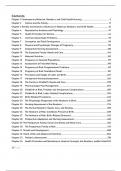
Table of Contents
b b


Chapter 1: Seeing Older Adults Through the Eyes of Wellness
b b b b b b b b b


Chapter 2: Applying a Nursing Model for Promoting Wellness in Older Adults Chapter 3:
b b b b b b b b b b b b b


b Theoretical Perspectives on Aging Well b b b b


Chapter 4: Perspectives on Culture and Diversityof Older Adults
b b b b b b b b b


b Chapter 5: Gerontological Nursing and Health Promotion Chapter
b b b b b b b


6: Diverse Health Care Settings for Older Adults Chapter 7:
b b b b b b b b b b


b Assessment of Health and Functioning b b b b


Chapter8: Medications and Other Bioactive Substances
b b b b b b


b Chapter 9: Legal and Ethical Concerns
b b b b b


Chapter 10: Elder Abuse and Neglect
b b b b b


b Chapter 11: Cognitive Function Chapter
b b b b


12: Psychosocial Function Chapter13:
b b b b b


Psychosocial Assessment
b b


Chapter 14: Impaired Cognitive Function: Delirium and Dementia
b b b b b b b


TO GET ALL CHAPTERS EMAIL ME AT>>>>>
b b b b b b bbb


b

,Chapter 15: Impaired Affective Function: Depression Chapter
b b b b b b


16: Hearing
b b


Chapter 17: Visionb b


Chapter 18: Digestion and Nutrition
b b b b


b Chapter 19: Urinary Function Chapter
b b b b


20: Cardiovascular Function Chapter
b b b b


21: Respiratory Function Chapter 22:
b b b b b


b Mobility and Safety Chapter 23:
b b b b


b Integument
Chapter 24: Sleep and Rest Chapter
b b b b b


25: Thermoregulation Chapter 26:
b b b b


b Sexual Function
b


Chapter 27: Caring for Older Adults During Illness Chapter 28:
b b b b b b b b b


b Caring for Older Adults Experiencing Pain Chapter 29: Caring
b b b b b b b b


for Older Adults at the End of Life
b b b b b b b b

, Origin: Chapter 1- Seeing Older Adults Through the Eyes of Wellness, 1
b b b b b b b b b b b


TO GET ALL CHAPTERS EMAIL ME AT>>>>>
b b b b b b bbbb


1.A nurse is discussing an older adult's recent diagnosis of rheumatoid arthritis with a
b b b b b b b b b b b b b


b colleague. Which of the nurse's statements reflects an accurate view of the relationship
b b b b b b b b b b b b


b between aging and wellness? b b b


A) "It's important that the individual knows this is an expected part of growing older."
b b b b b b b b b b b b b


B) "We need to teach the older adult how he can keep living a fruitful life in spite of his
b b b b b b b b b b b b b b b b b b


b diagnosis."
C) "We need to make sure our teaching is not too detailed for someone of his age."
b b b b b b b b b b b b b b b


D) "We need to ensure his expectations of continuing to live alone are realistic."
b b b b b b b b b b b b


b ANSWER: B
Feedback:
Answer B reflects a desire to foster a fulfilling and productive life for the older adult despite his
b b b b b b b b b b b b b b b b b


b diagnosis, and reflects an understanding of wellness and aging. Option A implies that illness is
b b b b b b b b b b b b b b


b an inevitability of aging. Option C suggests that older adults have a limited capacityto learn by
b b b b b b b b b b b b b b b b


virtue of their age, and option D implies pessimism about the health and functioning of the
b b b b b b b b b b b b b b b b


b older adult. b


Origin: Chapter 1- Seeing Older Adults Through the Eyes of Wellness, 2
b b b b b b b b b b b


2.A nurse is teaching an older person about the concept of successful aging. Which of the nurse's
b b b b b b b b b b b b b b b b


b questions addresses an important contributor to successful aging?
b b b b b b b


A) "Are you largely free of acute or chronic illnesses?"
b b b b b b b b


B) "Do you feel financially secure?" b b b b


C) "Do you feel like you actively engage with life?"
b b b b b b b b


D) "Do you have a reliable support network?"
b b b b b b


b ANSWER: C
Feedback:
Research has indicated that an active engagement with life is central to successful and healthy
b b b b b b b b b b b b b b


aging.Absence of illness, financial security, and the nature of a person's support network are
b b b b b b b b b b b b b b b

$20.49
Get access to the full document:

100% satisfaction guarantee
Immediately available after payment
Both online and in PDF
No strings attached

Get to know the seller
Seller avatar
LECTJOE

Get to know the seller

Seller avatar
LECTJOE Chamberlain College Of Nursing
View profile
Follow You need to be logged in order to follow users or courses
Sold
2
Member since
2 months
Number of followers
1
Documents
504
Last sold
2 days ago
PASSTIPS EXCELLENCE CALIBRE.....

Success is no accident. Pele said, " Success is hardwork, perseverance, learning, studying, sacrifice and most of all, love of what you're doing" . I'm here to help you navigate the ship of success in the best way possible in most fields as I possibly can. Don't fail to check out my store and recommend it to a friend. Buy with no doubt and make the cut in those exams. Don't forget to leave a review in order for other buyers to feel at ease when

Read more Read less
0.0

0 reviews

5
0
4
0
3
0
2
0
1
0

Recently viewed by you

Why students choose Stuvia

Created by fellow students, verified by reviews

Quality you can trust: written by students who passed their tests and reviewed by others who've used these notes.

Didn't get what you expected? Choose another document

No worries! You can instantly pick a different document that better fits what you're looking for.

Pay as you like, start learning right away

No subscription, no commitments. Pay the way you're used to via credit card and download your PDF document instantly.

Student with book image

“Bought, downloaded, and aced it. It really can be that simple.”

Alisha Student

Frequently asked questions