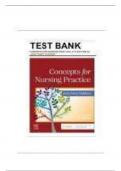
IntroductoryMaternityandPediatricNursing4thEditionHatfieldTestBank s s s j s
TestBankIntroductoryMaternityandPediatricNursing
s s s s s s
4thEdition
ss s
Synopsis
This is NOT a book!
ss ss ss ss
This is a Test Bank (Study Questions) to help you study for your Tests.
ss ss ss ss ss ss ss ss ss ss ss ss ss
No delay, the download is quick and instantaneous right after you checkout! Test banks can give you the
ss ss ss ss ss ss ss ss jj ss ss ss ss ss ss ss ss
tools you need to help you study better
ss ss ss ss ss ss ss ss
Table of Content ss ss
Chapter1: The Nurse’s Role in aChanging Maternal‚ÄìChild Health Care Environment
s ss ss ss ss ss s ss ss ss ss
Chapter 2: Family-Centered and Community-Based Maternal and Pediatric
ss ss ss ss ss ss ss ss
Nursing Chapter 3: Structure and Function of the Reproductive System
ss ss ss ss ss ss ss ss ss ss
Chapter 4: Special Issues of Women’s HealthCare and Reproduction
s ss ss ss ss ss s ss ss
Chapter 5: Fetal Development
ss ss ss ss
Chapter6:Maternal AdaptationduringPregnancy
s s jj s s
Chapter 7: Prenatal Care
ss ss ss ss
Chapter 8: The Labor Process ss ss ss ss
Chapter9:Pain Management during Labor and Birth
s s ss jj ss s ss
Chapter 10: Nursing Care during Labor and Birth
ss ss ss ss ss ss ss ss
Chapter 11: Assisted Delivery and Cesarean Birth
ss ss ss ss ss ss ss
Chapter 12: The Postpartum Woman
ss ss ss ss ss
Chapter 13: Nursing Assessment of Newborn Transition
ss ss ss jj ss ss
Chapter 14: Nursing Care of the Normal Newborn
ss ss ss ss ss ss ss ss
,Chapter 15: Newborn Nutrition
ss ss ss
Chapter16: Pregnancy atRisk:Conditions that ComplicatePregnancy
s ss ss s s ss ss s
Chapter 17: Pregnancy at Risk: Pregnancy-Related Complications
ss ss ss ss ss ss ss
Chapter 18: Labor at Risk
ss ss ss ss ss
Chapter19: Postpartum Woman at Risk
s ss ss ss jj
Chapter 20: The Newborn at Risk: Gestational and Acquired Disorders
ss ss ss s ss ss ss ss ss
Chapter 21: The Newborn at Risk: Congenital Disorders
ss ss ss ss ss ss ss ss
Chapter 22: Principles of Growth and Development
ss ss ss ss ss ss
Chapter 23:Growth and Development of the Infant: 28 Days to 1 Year
ss ss ss ss ss ss ss ss ss ss ss
Chapter 24:Growth and Development of the Toddler: 1 to 3 Years
ss ss ss ss ss ss ss ss ss ss ss
Chapter 25:Growth and Development of the Preschool Child: 3 to 6 Years
ss ss ss ss ss ss ss ss ss ss ss ss
Chapter 26:Growth and Development of the School-Aged Child: 6 to 10 Years
ss ss ss ss ss ss ss ss ss ss ss
Chapter 27:Growth and Development of the Adolescent: 11 to 18 Years
ss ss ss ss ss ss ss ss ss ss ss
Chapter 28: Data Collection (Assessment) for the Child
ss ss ss ss ss ss ss ss
Chapter29:Care of the HospitalizedChild
s s s ss s s
Chapter 30: Procedures and
ss ss ss ss
Treatments
ss
Chapter31:MedicationAdministrationand Intravenous Therapy
s s s s ss ss
Chapter 32: The Child with a Chronic Health Problem
ss ss ss ss ss ss ss ss ss
Chapter33:Abuse in theFamily and Community
s s ss ss s ss jj
Chapter 34: The Dying Child
ss ss ss ss ss
Chapter35: TheChild witha Sensory/Neurologic Disorder
s ss s ss s ss ss
Chapter 36: The Child with a Respiratory Disorder
ss ss ss ss ss ss ss ss
Chapter 37: The Child with a Cardiovascular/Hematologic Disorder
ss ss ss ss ss ss ss
Chapter 38: The Child with a Gastrointestinal/Endocrine
ss ss ss ss ss ss ss
Disorder Chapter 39: The Child with a Genitourinary Disorder
ss ss ss ss ss ss ss ss ss
Chapter40: TheChild witha Musculoskeletal Disorder ss s ss ss ss
Chapter 41: The Child with an Integumentary Disorder/Communicable Disease
ss ss ss ss ss ss ss ss
Chapter 42: The Child with a Psychosocial Disorder
ss ss ss ss ss ss ss ss
Chapter1:TheNurse's Role inaChangingMaternal–Child HealthCareEnvironment
s s s ss ss s s ss s s
MULTIPLE CHOICE ss
1. Whichprinciple ofteaching should the nurse use to ensure learning ina familysituation? s ss ss ss s ss ss ss ss s s s
a. Motivatethe familywithpraise and positive feedback. ss ss ss ss
b. Learningis best accomplishedwiththe lectureformat. s ss ss s ss s
c. Present complexsubject material first whilethefamilyisalert and readyto learn.
ss s ss ss ss s s ss s ss
d. Familiesshould betaught using medicaljargonso theywill beableto understand ss ss ss ss ss s ss
the technical language used by physicians.
ss ss ss ss ss ss
ANS: A ss
Praise and positive feedback are particularly important when a family is trying to master a
ss ss ss ss ss ss ss ss ss ss ss ss ss ss
ss frustrating task such as breastfeeding. A lively discussion stimulates more learning than a straight
ss ss ss ss ss ss ss ss ss ss ss ss ss
ss lecture, which tends to inhibit questions. Learning is enhanced when the teaching is structured to
ss ss ss ss ss ss ss ss ss ss ss ss ss ss
,ss present the simple tasks before the complex material. Even though a familymay
ss ss ss ss ss ss ss ss ss ss ss
, understandEnglish fairlywell, theymaynot understand themedicalterminologyor slangterms that
s ss ss ss ss s ss s ss
ss are used.
ss
PTS:1DIF: Cognitive Level: ApplicationREF:18, 19
s ss ss ss s ss
OBJ:NursingProcessStep:PlanningMSC: Client Needs: HealthPromotionand Maintenance
s s s s s ss ss ss s ss
2. Whichnursing intervention is an independent functionofthe nurse?
ss ss s s ss ss
a. Administeringoralanalgesics
b. Requestingdiagnostic studies
j ss
c. Teachingthe client perinealcare
ss ss
d. Providingwound careto asurgical incisions s ss s ss
TestBankIntroductoryMaternityandPediatricNursing
s s s s s s
4thEdition
ss s
Synopsis
This is NOT a book!
ss ss ss ss
This is a Test Bank (Study Questions) to help you study for your Tests.
ss ss ss ss ss ss ss ss ss ss ss ss ss
No delay, the download is quick and instantaneous right after you checkout! Test banks can give you the
ss ss ss ss ss ss ss ss jj ss ss ss ss ss ss ss ss
tools you need to help you study better
ss ss ss ss ss ss ss ss
Table of Content ss ss
Chapter1: The Nurse’s Role in aChanging Maternal‚ÄìChild Health Care Environment
s ss ss ss ss ss s ss ss ss ss
Chapter 2: Family-Centered and Community-Based Maternal and Pediatric
ss ss ss ss ss ss ss ss
Nursing Chapter 3: Structure and Function of the Reproductive System
ss ss ss ss ss ss ss ss ss ss
Chapter 4: Special Issues of Women’s HealthCare and Reproduction
s ss ss ss ss ss s ss ss
Chapter 5: Fetal Development
ss ss ss ss
Chapter6:Maternal AdaptationduringPregnancy
s s jj s s
Chapter 7: Prenatal Care
ss ss ss ss
Chapter 8: The Labor Process ss ss ss ss
Chapter9:Pain Management during Labor and Birth
s s ss jj ss s ss
Chapter 10: Nursing Care during Labor and Birth
ss ss ss ss ss ss ss ss
Chapter 11: Assisted Delivery and Cesarean Birth
ss ss ss ss ss ss ss
Chapter 12: The Postpartum Woman
ss ss ss ss ss
Chapter 13: Nursing Assessment of Newborn Transition
ss ss ss jj ss ss
Chapter 14: Nursing Care of the Normal Newborn
ss ss ss ss ss ss ss ss
,Chapter 15: Newborn Nutrition
ss ss ss
Chapter16: Pregnancy atRisk:Conditions that ComplicatePregnancy
s ss ss s s ss ss s
Chapter 17: Pregnancy at Risk: Pregnancy-Related Complications
ss ss ss ss ss ss ss
Chapter 18: Labor at Risk
ss ss ss ss ss
Chapter19: Postpartum Woman at Risk
s ss ss ss jj
Chapter 20: The Newborn at Risk: Gestational and Acquired Disorders
ss ss ss s ss ss ss ss ss
Chapter 21: The Newborn at Risk: Congenital Disorders
ss ss ss ss ss ss ss ss
Chapter 22: Principles of Growth and Development
ss ss ss ss ss ss
Chapter 23:Growth and Development of the Infant: 28 Days to 1 Year
ss ss ss ss ss ss ss ss ss ss ss
Chapter 24:Growth and Development of the Toddler: 1 to 3 Years
ss ss ss ss ss ss ss ss ss ss ss
Chapter 25:Growth and Development of the Preschool Child: 3 to 6 Years
ss ss ss ss ss ss ss ss ss ss ss ss
Chapter 26:Growth and Development of the School-Aged Child: 6 to 10 Years
ss ss ss ss ss ss ss ss ss ss ss
Chapter 27:Growth and Development of the Adolescent: 11 to 18 Years
ss ss ss ss ss ss ss ss ss ss ss
Chapter 28: Data Collection (Assessment) for the Child
ss ss ss ss ss ss ss ss
Chapter29:Care of the HospitalizedChild
s s s ss s s
Chapter 30: Procedures and
ss ss ss ss
Treatments
ss
Chapter31:MedicationAdministrationand Intravenous Therapy
s s s s ss ss
Chapter 32: The Child with a Chronic Health Problem
ss ss ss ss ss ss ss ss ss
Chapter33:Abuse in theFamily and Community
s s ss ss s ss jj
Chapter 34: The Dying Child
ss ss ss ss ss
Chapter35: TheChild witha Sensory/Neurologic Disorder
s ss s ss s ss ss
Chapter 36: The Child with a Respiratory Disorder
ss ss ss ss ss ss ss ss
Chapter 37: The Child with a Cardiovascular/Hematologic Disorder
ss ss ss ss ss ss ss
Chapter 38: The Child with a Gastrointestinal/Endocrine
ss ss ss ss ss ss ss
Disorder Chapter 39: The Child with a Genitourinary Disorder
ss ss ss ss ss ss ss ss ss
Chapter40: TheChild witha Musculoskeletal Disorder ss s ss ss ss
Chapter 41: The Child with an Integumentary Disorder/Communicable Disease
ss ss ss ss ss ss ss ss
Chapter 42: The Child with a Psychosocial Disorder
ss ss ss ss ss ss ss ss
Chapter1:TheNurse's Role inaChangingMaternal–Child HealthCareEnvironment
s s s ss ss s s ss s s
MULTIPLE CHOICE ss
1. Whichprinciple ofteaching should the nurse use to ensure learning ina familysituation? s ss ss ss s ss ss ss ss s s s
a. Motivatethe familywithpraise and positive feedback. ss ss ss ss
b. Learningis best accomplishedwiththe lectureformat. s ss ss s ss s
c. Present complexsubject material first whilethefamilyisalert and readyto learn.
ss s ss ss ss s s ss s ss
d. Familiesshould betaught using medicaljargonso theywill beableto understand ss ss ss ss ss s ss
the technical language used by physicians.
ss ss ss ss ss ss
ANS: A ss
Praise and positive feedback are particularly important when a family is trying to master a
ss ss ss ss ss ss ss ss ss ss ss ss ss ss
ss frustrating task such as breastfeeding. A lively discussion stimulates more learning than a straight
ss ss ss ss ss ss ss ss ss ss ss ss ss
ss lecture, which tends to inhibit questions. Learning is enhanced when the teaching is structured to
ss ss ss ss ss ss ss ss ss ss ss ss ss ss
,ss present the simple tasks before the complex material. Even though a familymay
ss ss ss ss ss ss ss ss ss ss ss
, understandEnglish fairlywell, theymaynot understand themedicalterminologyor slangterms that
s ss ss ss ss s ss s ss
ss are used.
ss
PTS:1DIF: Cognitive Level: ApplicationREF:18, 19
s ss ss ss s ss
OBJ:NursingProcessStep:PlanningMSC: Client Needs: HealthPromotionand Maintenance
s s s s s ss ss ss s ss
2. Whichnursing intervention is an independent functionofthe nurse?
ss ss s s ss ss
a. Administeringoralanalgesics
b. Requestingdiagnostic studies
j ss
c. Teachingthe client perinealcare
ss ss
d. Providingwound careto asurgical incisions s ss s ss