SOLUTIONMANUALm
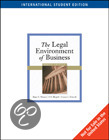
The LegalEnvironmentof Business,14thEdition
m m m m m m
by Roger E.Meiners, Chapters 1 - 22, Complete
m m m m m m m m
,TABLE OF CONTENTS
m m m
➢ Chapter 1. Today’s Business Environment: Law and Ethics
m m m m m m m
➢ Chapter 2. The Court Systems
m m m m
➢ Chapter 3. Trials and Resolving Disputes
m m m m m
➢ Chapter 4. The Constitution: Focus on Application to Business
m m m m m m m m
➢ Chapter 5. Criminal Law and Business
m m m m m
➢ Chapter 6. Elements of Torts
m m m m
➢ Chapter 7. Business Torts and Product Liability
m m m m m m
➢ Chapter 8. Real and Personal Property
m m m m m
➢ Chapter 9. Intellectual Property
m m m
➢ Chapter 10. Contracts
m m
➢ Chapter 11. Domestic and International Sales
m m m m m
➢ Chapter 12. Business Organizations
m m m
➢ Chapter 13. Negotiable Instruments, Credit, and Bankruptcy
m m m m m m
➢ Chapter 14. Agency and the Employment Relationship
m m m m m m
➢ Chapter 15. Employment and Labor Regulations
m m m m m
➢ Chapter 16. Employment Discrimination
m m m
➢ Chapter 17. The Regulatory Process
m m m m
➢ Chapter 18. Securities Regulation
m m m
➢ Chapter 19. Consumer Protection
m m m
➢ Chapter 20. Antitrust Law
m m m
➢ Chapter 21. Environmental Law
m m m
➢ Chapter 22. The International Legal Environment of Business
m m m m m m m
,CHAPTER 1 m
Table of Contents m m
Answer to Discussion Question ..................................................................................................................... 1
m m m
Answers to Case Questions ........................................................................................................................... 1
m m m
Answers to Ethics and Social Questions ........................................................................................................ 3
m m m m m
Answer to Discussion Question m m m
Should the common law maxim “Ignorance of the law is no excuse” apply to an immigrant who speakslittle English
m m m m m m m m m m m m m m m m m m m
and was not educated in the United States? How about for a tourist who does not speak English? Everyone knows
m m m m m m m m m m m m m m m m m m m m
criminal acts are prohibited, but what about subtler rules that differ across countries and so may be misunderstood
m m m m m m m m m m m m m m m m m m
by foreigners?
m m
Answer: It is generally true that ignorance of the law is no excuse. Citizens are deemed to have constructive
m m m m m m m m m m m m m m m m m m
knowledge of the law. Yet, as well known as this rule is, it is surprising how often it is proffered as an excuse.
m m m m m m m m m m m m m m m m m m m m m m m
(A Westlaw search cases finds hundreds of examples). Examples include: Deluco v. Dezi (Conn. Super) (lack of
m m m m m m m m m m m m m m m m m
knowledge regarding the state‘s usury laws is no excuse for the inclusion of an illegal interest rate in a sales
m m m m m m m m m m m m m m m m m m m m
contract); and Plumlee v. Paddock (ignorance of thefact that the subject matter of the contract was illegal
m m m m m m m m m m m m m m m m m m
was not excuse). The courts have provided a small exception to the rule when it comes to people in lack of
m m m m m m m m m m m m m m m m m m m m m
English language skills. Consider Flanery v. Kuska, (defendant did not speak English was advised by a friend
m m m m m m m m m m m m m m m m m
that an answer to a complaint was not required); Ramon v. Dept. of Transportation, (no English and an
m m m m m m m m m m m m m m m m m m
inability to understand the law required for an excuse); Yurechko v. County of Allegheny, (Ignorance and with
m m m m m m m m m m m m m m m m m
the fact that the municipality suffered no hardship in late lawsuit filing was an excuse).
m m m m m m m m m m m m m m m
Answers to Case Questions m m m
1. Facts from an English judge’s decision in 1884: “The crew of an English yacht .......................were cast away in
m m m m m m m m m m m m m m m m
a storm on the high seas . . . and were compelled to put into an open boat. .................... They had no supply
m m m m m m m m m m m m m m m m m m m m
of water and no supply of food. . . . That on the eighteenth day . . . they .................... suggested that one
m m m m m m m m m m m m m m m m m m m m
should be sacrificed to save the rest. . . . That next day . . . they . . . went to the boy ....................... put a knife
m m m m m m m m m m m m m m m m m m m m m m m m m
into his throat and killed him . . . the three men fed upon the body ..................of the boy for four days; [then]
m m m m m m m m m m m m m m m m m m m m m
the boat was picked up by a passing vessel, and [they] were rescued. . . . and committed for trial. . . .
m m m m m m m m m m m m m m m m m m m m m m
if the men had not fed upon the body of the boy they would probably not have survived to be sopicked up
m m m m m m m m m m m m m m m m m m m m m m
mand rescued, but would ............................ have died of famine. The boy, being in a much weaker
m m m m m m m m m m m m m
condition, was likely to have died before them............... The real question in this case [is] whether killing
m m m m m m m m m m m m m m m
under the conditions set forth ........... be or be not murder.” Do you consider the acts to be immoral?
m m m m m m m m m m m m m m m m
[Regina v. Dudley and Stephens, 14 Queens Bench Division 273 (1884)]
m m m m m m m m m m
Answer: This points out that the legal system has limits. Its acceptability is dictated by legal culture--which
m m m m m m m m m m m m m m m m
determines whether law will be enforced, obeyed, avoided, or abused. It is limited by the informal rules of the
m m m m m m m m m m m m m m m m m m m
society--its customs and values. One limit is the extent to which society will allow the formal rules to be
m m m m m m m m m m m m m m m m m m m
imposed when a crime is committed in odd circumstances. Here there was an intentional murder. Does the
m m m m m m m m m m m m m m m m m
motive for the murder, the effort to save several lives by sacrificing one
m m m m m m m m m m m m m
, life, make it a crime that should be punished? Not all crimes are treated the same. It also raisesquestions about
m m m m m m m m m m m m m m m m m m m m
mthe desirability of not giving judges flexibility in sentencing.
m m m m m m m m
There was a precedent for a light sentence in this case in U.S. law: U.S. v. Holmes, 20 F. Cas. 360 (No. 15383)
m m m m m m m m m m m m m m m m m m m m m m
(C.C.E.D. Pa. 1842). The case involved a sinking ocean liner. Several passengers madeit to the only lifeboat,
m m m m m m m m m m m m m m m m m m
which was far too overcrowded. The captain decided to save the women and children and threw several men
m m m m m m m m m m m m m m m m m m
overboard. The lifeboat was rescued. The grand jury refused to indict the captain from murder, only for
m m m m m m m m m m m m m m m m m
manslaughter. He got a six month sentence.
m m m m m m m
The British judge in the case here imposed the death penalty upon the person who survived. The judge
m m m m m m m m m m m m m m m m m
found it difficult to rule that every man on board had the right to make law by his own hand. The Crown
m m m m m m m m m m m m m m m m m m m m m m
reduced the sentence to six months.
m m m m m m
2. Smoking is a serious health hazard. Cigarettes are legal. Should cigarette manufacturers be liable for the
m m m m m m m m m m m m m m m
serious illnesses and untimely deaths caused by their unavoidably dangerous products, eventhough they post
m m m m m m m m m m m m m m m
a warning on the package and consumers voluntarily assume the health risks by smoking? [Cipollone v.
m m m m m m m m m m m m m m m m
Liggett Group, Inc., 505 U.S. 504 (1992)]
m m m m m m m
Answer: The general rule that exists now is that since the government has ordered the posting of warninglabels on
m m m m m m m m m m m m m m m m m m m
cigarettes, and since the dangers of smoking are well known, consumers have been warned and are not due
m m m m m m m m m m m m m m m m m m
compensation if they kill themselves by smoking. The Cippoline case, since reviewed by the Supreme Court,
m m m m m m m m m m m m m m m m
appears to be of limited impact since the victim was adjudged to have become addicted to cigarettes before
m m m m m m m m m m m m m m m m m m
the warning label was ordered in 1964. If cigarette makers were held responsible for all health problems
m m m m m m m m m m m m m m m m m
associated with cigarettes, then, like alcohol and other dangerous products, the damages would likely be so
m m m m m m m m m m m m m m m m
high it would effectively ban the products. Presumably, in a free society if adults are clearly informed of the
m m m m m m m m m m m m m m m m m m m
risks of products that cannot be made safe, they accept the risk. Tobacco and alcohol producers cannot take
m m m m m m m m m m m m m m m m m m
the dangers out of the products except at the margin by encouraging responsible drinking and the like. Are
m m m m m m m m m m m m m m m m m m
drugs like cocaine different?
m m m m
3. Two eight-year-old boys were seriously injured when riding Honda mini-trail bikes. The boys were riding on
m m m m m m m m m m m m m m m
public streets, ran a stop sign, and were hit by a truck. The bikes had clear warning labels on the front stating
m m m m m m m m m m m m m m m m m m m m m m
they were only for off-road use. The manual stated the bikes were not to be usedon public streets. The parents
m m m m m m m m m m m m m m m m m m m m m
sued Honda. The supreme court of Washington said one basic issue existed: “Is a manufacturer liable when
m m m m m m m m m m m m m m m m m
children are injured while riding one of its mini-trail bikes on apublic road in violation of manufacturer and
m m m m m m m m m m m m m m m m m m m
parental warnings?” Is it unethical to make products like mini-trail bikes children will use when we know
m m m m m m m m m m m m m m m m m
accidents like this will happen? [Baughn v. Honda Motor Co., 727 P.2d 655 Sup. Ct, Wash., (1986)]
m m m m m m m m m m m m m m m m m
Answer: The court found no liability for the manufacturers. There was no defect; the product was safe for
m m m m m m m m m m m m m m m m m
intended use. Safety instructions were clear; the parents let the boys ride the bikes. Anything can be
m m m m m m m m m m m m m m m m m
dangerous--baseballs are dangerous when they hit the head, swings are dangerous when kids jumpout of
m m m m m m m m m m m m m m m m
them; there is only so much that can be done to make the government the ―national nanny‖ asthe
m m m m m m m m m m m m m m m m m m m
Washington Post once said about excessive consumer protection. Parents must accept a high degree of
m m m m m m m m m m m m m m m
responsible for their own children.
m m m m m
4. Johnson Controls adopted a “fetal protection policy” that women of childbearing age could not work in the
m m m m m m m m m m m m m m m m
battery-making division of the company. Exposure to lead in the battery operation could causeharm to
m m m m m m m m m m m m m m m m
unborn babies. The company was concerned about possible legal liability for injury sufferedby babies of
m m m m m m m m m m m m m m m m
mothers who had worked in the battery division. The Supreme Court held the companypolicy was illegal. It
m m m m m m m m m m m m m m m m m m
was an “excuse for denying women equal employment opportunities.” Is the Court forcing the company to be
m m m m m m m m m m m m m m m m m
unethical by allowing pregnant women who ignore the warnings to expose their babies to the lead? [United
m m m m m m m m m m m m m m m m m
mAuto Workers v. Johnson Controls, 499 U.S. 187 (1991)]
m m m m m m m m
Answer: The Court held it a form of sex discrimination to prevent women of child-bearing age from holding the
m m m m m m m m m m m m m m m m m m
more dangerous jobs. The company argued that it did this to protect itself from possibleliability in case of
m m m m m m m m m m m m m m m m m m m
damage to babies and that the decision was ethical. The replacements for these workers were often men or
m m m m m m m m m m m m m m m m m m
more senior women, who tended to be higher income workers, so this
m m m m m m m m m m m m
The LegalEnvironmentof Business,14thEdition
m m m m m m
by Roger E.Meiners, Chapters 1 - 22, Complete
m m m m m m m m
,TABLE OF CONTENTS
m m m
➢ Chapter 1. Today’s Business Environment: Law and Ethics
m m m m m m m
➢ Chapter 2. The Court Systems
m m m m
➢ Chapter 3. Trials and Resolving Disputes
m m m m m
➢ Chapter 4. The Constitution: Focus on Application to Business
m m m m m m m m
➢ Chapter 5. Criminal Law and Business
m m m m m
➢ Chapter 6. Elements of Torts
m m m m
➢ Chapter 7. Business Torts and Product Liability
m m m m m m
➢ Chapter 8. Real and Personal Property
m m m m m
➢ Chapter 9. Intellectual Property
m m m
➢ Chapter 10. Contracts
m m
➢ Chapter 11. Domestic and International Sales
m m m m m
➢ Chapter 12. Business Organizations
m m m
➢ Chapter 13. Negotiable Instruments, Credit, and Bankruptcy
m m m m m m
➢ Chapter 14. Agency and the Employment Relationship
m m m m m m
➢ Chapter 15. Employment and Labor Regulations
m m m m m
➢ Chapter 16. Employment Discrimination
m m m
➢ Chapter 17. The Regulatory Process
m m m m
➢ Chapter 18. Securities Regulation
m m m
➢ Chapter 19. Consumer Protection
m m m
➢ Chapter 20. Antitrust Law
m m m
➢ Chapter 21. Environmental Law
m m m
➢ Chapter 22. The International Legal Environment of Business
m m m m m m m
,CHAPTER 1 m
Table of Contents m m
Answer to Discussion Question ..................................................................................................................... 1
m m m
Answers to Case Questions ........................................................................................................................... 1
m m m
Answers to Ethics and Social Questions ........................................................................................................ 3
m m m m m
Answer to Discussion Question m m m
Should the common law maxim “Ignorance of the law is no excuse” apply to an immigrant who speakslittle English
m m m m m m m m m m m m m m m m m m m
and was not educated in the United States? How about for a tourist who does not speak English? Everyone knows
m m m m m m m m m m m m m m m m m m m m
criminal acts are prohibited, but what about subtler rules that differ across countries and so may be misunderstood
m m m m m m m m m m m m m m m m m m
by foreigners?
m m
Answer: It is generally true that ignorance of the law is no excuse. Citizens are deemed to have constructive
m m m m m m m m m m m m m m m m m m
knowledge of the law. Yet, as well known as this rule is, it is surprising how often it is proffered as an excuse.
m m m m m m m m m m m m m m m m m m m m m m m
(A Westlaw search cases finds hundreds of examples). Examples include: Deluco v. Dezi (Conn. Super) (lack of
m m m m m m m m m m m m m m m m m
knowledge regarding the state‘s usury laws is no excuse for the inclusion of an illegal interest rate in a sales
m m m m m m m m m m m m m m m m m m m m
contract); and Plumlee v. Paddock (ignorance of thefact that the subject matter of the contract was illegal
m m m m m m m m m m m m m m m m m m
was not excuse). The courts have provided a small exception to the rule when it comes to people in lack of
m m m m m m m m m m m m m m m m m m m m m
English language skills. Consider Flanery v. Kuska, (defendant did not speak English was advised by a friend
m m m m m m m m m m m m m m m m m
that an answer to a complaint was not required); Ramon v. Dept. of Transportation, (no English and an
m m m m m m m m m m m m m m m m m m
inability to understand the law required for an excuse); Yurechko v. County of Allegheny, (Ignorance and with
m m m m m m m m m m m m m m m m m
the fact that the municipality suffered no hardship in late lawsuit filing was an excuse).
m m m m m m m m m m m m m m m
Answers to Case Questions m m m
1. Facts from an English judge’s decision in 1884: “The crew of an English yacht .......................were cast away in
m m m m m m m m m m m m m m m m
a storm on the high seas . . . and were compelled to put into an open boat. .................... They had no supply
m m m m m m m m m m m m m m m m m m m m
of water and no supply of food. . . . That on the eighteenth day . . . they .................... suggested that one
m m m m m m m m m m m m m m m m m m m m
should be sacrificed to save the rest. . . . That next day . . . they . . . went to the boy ....................... put a knife
m m m m m m m m m m m m m m m m m m m m m m m m m
into his throat and killed him . . . the three men fed upon the body ..................of the boy for four days; [then]
m m m m m m m m m m m m m m m m m m m m m
the boat was picked up by a passing vessel, and [they] were rescued. . . . and committed for trial. . . .
m m m m m m m m m m m m m m m m m m m m m m
if the men had not fed upon the body of the boy they would probably not have survived to be sopicked up
m m m m m m m m m m m m m m m m m m m m m m
mand rescued, but would ............................ have died of famine. The boy, being in a much weaker
m m m m m m m m m m m m m
condition, was likely to have died before them............... The real question in this case [is] whether killing
m m m m m m m m m m m m m m m
under the conditions set forth ........... be or be not murder.” Do you consider the acts to be immoral?
m m m m m m m m m m m m m m m m
[Regina v. Dudley and Stephens, 14 Queens Bench Division 273 (1884)]
m m m m m m m m m m
Answer: This points out that the legal system has limits. Its acceptability is dictated by legal culture--which
m m m m m m m m m m m m m m m m
determines whether law will be enforced, obeyed, avoided, or abused. It is limited by the informal rules of the
m m m m m m m m m m m m m m m m m m m
society--its customs and values. One limit is the extent to which society will allow the formal rules to be
m m m m m m m m m m m m m m m m m m m
imposed when a crime is committed in odd circumstances. Here there was an intentional murder. Does the
m m m m m m m m m m m m m m m m m
motive for the murder, the effort to save several lives by sacrificing one
m m m m m m m m m m m m m
, life, make it a crime that should be punished? Not all crimes are treated the same. It also raisesquestions about
m m m m m m m m m m m m m m m m m m m m
mthe desirability of not giving judges flexibility in sentencing.
m m m m m m m m
There was a precedent for a light sentence in this case in U.S. law: U.S. v. Holmes, 20 F. Cas. 360 (No. 15383)
m m m m m m m m m m m m m m m m m m m m m m
(C.C.E.D. Pa. 1842). The case involved a sinking ocean liner. Several passengers madeit to the only lifeboat,
m m m m m m m m m m m m m m m m m m
which was far too overcrowded. The captain decided to save the women and children and threw several men
m m m m m m m m m m m m m m m m m m
overboard. The lifeboat was rescued. The grand jury refused to indict the captain from murder, only for
m m m m m m m m m m m m m m m m m
manslaughter. He got a six month sentence.
m m m m m m m
The British judge in the case here imposed the death penalty upon the person who survived. The judge
m m m m m m m m m m m m m m m m m
found it difficult to rule that every man on board had the right to make law by his own hand. The Crown
m m m m m m m m m m m m m m m m m m m m m m
reduced the sentence to six months.
m m m m m m
2. Smoking is a serious health hazard. Cigarettes are legal. Should cigarette manufacturers be liable for the
m m m m m m m m m m m m m m m
serious illnesses and untimely deaths caused by their unavoidably dangerous products, eventhough they post
m m m m m m m m m m m m m m m
a warning on the package and consumers voluntarily assume the health risks by smoking? [Cipollone v.
m m m m m m m m m m m m m m m m
Liggett Group, Inc., 505 U.S. 504 (1992)]
m m m m m m m
Answer: The general rule that exists now is that since the government has ordered the posting of warninglabels on
m m m m m m m m m m m m m m m m m m m
cigarettes, and since the dangers of smoking are well known, consumers have been warned and are not due
m m m m m m m m m m m m m m m m m m
compensation if they kill themselves by smoking. The Cippoline case, since reviewed by the Supreme Court,
m m m m m m m m m m m m m m m m
appears to be of limited impact since the victim was adjudged to have become addicted to cigarettes before
m m m m m m m m m m m m m m m m m m
the warning label was ordered in 1964. If cigarette makers were held responsible for all health problems
m m m m m m m m m m m m m m m m m
associated with cigarettes, then, like alcohol and other dangerous products, the damages would likely be so
m m m m m m m m m m m m m m m m
high it would effectively ban the products. Presumably, in a free society if adults are clearly informed of the
m m m m m m m m m m m m m m m m m m m
risks of products that cannot be made safe, they accept the risk. Tobacco and alcohol producers cannot take
m m m m m m m m m m m m m m m m m m
the dangers out of the products except at the margin by encouraging responsible drinking and the like. Are
m m m m m m m m m m m m m m m m m m
drugs like cocaine different?
m m m m
3. Two eight-year-old boys were seriously injured when riding Honda mini-trail bikes. The boys were riding on
m m m m m m m m m m m m m m m
public streets, ran a stop sign, and were hit by a truck. The bikes had clear warning labels on the front stating
m m m m m m m m m m m m m m m m m m m m m m
they were only for off-road use. The manual stated the bikes were not to be usedon public streets. The parents
m m m m m m m m m m m m m m m m m m m m m
sued Honda. The supreme court of Washington said one basic issue existed: “Is a manufacturer liable when
m m m m m m m m m m m m m m m m m
children are injured while riding one of its mini-trail bikes on apublic road in violation of manufacturer and
m m m m m m m m m m m m m m m m m m m
parental warnings?” Is it unethical to make products like mini-trail bikes children will use when we know
m m m m m m m m m m m m m m m m m
accidents like this will happen? [Baughn v. Honda Motor Co., 727 P.2d 655 Sup. Ct, Wash., (1986)]
m m m m m m m m m m m m m m m m m
Answer: The court found no liability for the manufacturers. There was no defect; the product was safe for
m m m m m m m m m m m m m m m m m
intended use. Safety instructions were clear; the parents let the boys ride the bikes. Anything can be
m m m m m m m m m m m m m m m m m
dangerous--baseballs are dangerous when they hit the head, swings are dangerous when kids jumpout of
m m m m m m m m m m m m m m m m
them; there is only so much that can be done to make the government the ―national nanny‖ asthe
m m m m m m m m m m m m m m m m m m m
Washington Post once said about excessive consumer protection. Parents must accept a high degree of
m m m m m m m m m m m m m m m
responsible for their own children.
m m m m m
4. Johnson Controls adopted a “fetal protection policy” that women of childbearing age could not work in the
m m m m m m m m m m m m m m m m
battery-making division of the company. Exposure to lead in the battery operation could causeharm to
m m m m m m m m m m m m m m m m
unborn babies. The company was concerned about possible legal liability for injury sufferedby babies of
m m m m m m m m m m m m m m m m
mothers who had worked in the battery division. The Supreme Court held the companypolicy was illegal. It
m m m m m m m m m m m m m m m m m m
was an “excuse for denying women equal employment opportunities.” Is the Court forcing the company to be
m m m m m m m m m m m m m m m m m
unethical by allowing pregnant women who ignore the warnings to expose their babies to the lead? [United
m m m m m m m m m m m m m m m m m
mAuto Workers v. Johnson Controls, 499 U.S. 187 (1991)]
m m m m m m m m
Answer: The Court held it a form of sex discrimination to prevent women of child-bearing age from holding the
m m m m m m m m m m m m m m m m m m
more dangerous jobs. The company argued that it did this to protect itself from possibleliability in case of
m m m m m m m m m m m m m m m m m m m
damage to babies and that the decision was ethical. The replacements for these workers were often men or
m m m m m m m m m m m m m m m m m m
more senior women, who tended to be higher income workers, so this
m m m m m m m m m m m m