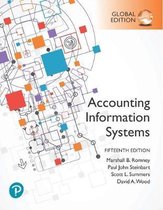
TEST BANK FOR ACCOUNTING
INFORMATION SYSTEMS 15TH
EDITION MARSHALL B. ROMNEY PAUL
JOHN STEINBART SCOTT L. SUMMERS
DAVID A. WOOD 2025/2026 A+
1
,TABLE OF CONTENTS
PART I: CONCEPTUAL FOUNDATIONS OF ACCOUNTING INFORMATION
SYSTEMS
1. Accounting Information Systems: An Overview
2. Overview of Transaction Processing and Enterprise Resource Planning Systems
3. Systems Documentation Techniques
PART II: DATA ANALYTICS
4. Relational Databases
5. Introduction to Data Analytics in Accounting
6. Transforming Data
7. Data Analysis and Presentation
PART III: CONTROL OF ACCOUNTING INFORMATION SYSTEMS
8. Fraud and Errors
9. Computer Fraud and Abuse Techniques
10. Control and Accounting Information Systems
11. Controls for Information Security
12. Confidentiality and Privacy Controls
13. Processing Integrity and Availability Controls
PART IV: ACCOUNTING INFORMATION SYSTEMS APPLICATIONS
14. The Revenue Cycle: Sales to Cash Collections
15. The Expenditure Cycle: Purchasing to Cash Disbursements
16. The Production Cycle
17. The Human Resources Management and Payroll Cycle
18. General Ledger and Reporting System
PART V: THE REA DATA MODEL
19. Database Design Using the REA Data Model
20. Implementing an REA Model in a Relational Database
21. Special Topics in REA Modeling
PART VI: THE SYSTEMS DEVELOPMENT PROCESS
22. Introduction to Systems Development and Systems Analysis
23. AIS Development Strategies
24. Systems Design, Implementation, and Operation
2
, Chapter 1 Accounting Information Systems: An Overview
1.1 Distinguish Data From Information, Discuss The Characteristics Of Useful Information, And
Explain How To Determine The Value Of Information.
1) Which Of The Following Statements Below Shows The Contrast Between Data And
Information?
A) Data Is The Output Of An AIS.
B) Information Is The Primary Output Of An AIS.
C) Data Is More Useful In Decision Making Than Information.
D) Data And Information Are The Same.
ANS: B
2) Information Is Best Described As
A) Raw Facts About Transactions.
B) Data That Has Been Organized And Processed So That It Is Meaningful To The User.
C) Facts That Are Useful When Processed In A Timely Manner.
D) The Same Thing As Data.
ANS: B
3) The Value Of Information Can Best Be Determined By
A) Its Usefulness To Decision Makers.
B) Its Relevance To Decision Makers.
C) The Benefits Associated With Obtaining The Information Minus The Cost Of Producing It.
D) The Extent To Which It Optimizes The Value Chain.
ANS: C
4) An Accounting Information System (AIS) Processes To Provide Users With
.
A) Data; Information
B) Data; Transactions
C) Information; Data
D) Data; Benefits
ANS: A
5) Information Reduces Uncertainty, Improves Decision Makers' Ability To Make
Predictions, Or Confirms Expectations.
A) Timely
3
, B) Reliable
C) Relevant
D) Complete
ANS: C
6) Information That Is Free From Error Or Bias And Accurately Represents The Events Or Activities
Of The Organization Is
A) Relevant.
B) Reliable / Faithful Representation.
C) Verifiable.
D) Timely.
ANS: B
7) Information That Does Not Omit Important Aspects Of The Underlying Events Or Activities
That It Measures Is
A) Complete.
B) Accessible.
C) Relevant.
D) Timely.
ANS: A
8) Information Is When Two Knowledgeable People Independently Produce The
Same Information.
A) Verifiable
B) Relevant
C) Reliable
D) Complete
ANS: A
9) Data Must Be Converted Into Information To Be Considered Useful And Meaningful For
Decision Making. There Are Six Characteristics That Make Information Both Useful And
Meaningful. If Information Is Free From Error Or Bias And Accurately Represents The Events Or
Activities Of The Organization, It Is Representative Of The Characteristic Of
A) Relevancy.
B) Timeliness.
C) Understandability.
D) Reliability.
4
INFORMATION SYSTEMS 15TH
EDITION MARSHALL B. ROMNEY PAUL
JOHN STEINBART SCOTT L. SUMMERS
DAVID A. WOOD 2025/2026 A+
1
,TABLE OF CONTENTS
PART I: CONCEPTUAL FOUNDATIONS OF ACCOUNTING INFORMATION
SYSTEMS
1. Accounting Information Systems: An Overview
2. Overview of Transaction Processing and Enterprise Resource Planning Systems
3. Systems Documentation Techniques
PART II: DATA ANALYTICS
4. Relational Databases
5. Introduction to Data Analytics in Accounting
6. Transforming Data
7. Data Analysis and Presentation
PART III: CONTROL OF ACCOUNTING INFORMATION SYSTEMS
8. Fraud and Errors
9. Computer Fraud and Abuse Techniques
10. Control and Accounting Information Systems
11. Controls for Information Security
12. Confidentiality and Privacy Controls
13. Processing Integrity and Availability Controls
PART IV: ACCOUNTING INFORMATION SYSTEMS APPLICATIONS
14. The Revenue Cycle: Sales to Cash Collections
15. The Expenditure Cycle: Purchasing to Cash Disbursements
16. The Production Cycle
17. The Human Resources Management and Payroll Cycle
18. General Ledger and Reporting System
PART V: THE REA DATA MODEL
19. Database Design Using the REA Data Model
20. Implementing an REA Model in a Relational Database
21. Special Topics in REA Modeling
PART VI: THE SYSTEMS DEVELOPMENT PROCESS
22. Introduction to Systems Development and Systems Analysis
23. AIS Development Strategies
24. Systems Design, Implementation, and Operation
2
, Chapter 1 Accounting Information Systems: An Overview
1.1 Distinguish Data From Information, Discuss The Characteristics Of Useful Information, And
Explain How To Determine The Value Of Information.
1) Which Of The Following Statements Below Shows The Contrast Between Data And
Information?
A) Data Is The Output Of An AIS.
B) Information Is The Primary Output Of An AIS.
C) Data Is More Useful In Decision Making Than Information.
D) Data And Information Are The Same.
ANS: B
2) Information Is Best Described As
A) Raw Facts About Transactions.
B) Data That Has Been Organized And Processed So That It Is Meaningful To The User.
C) Facts That Are Useful When Processed In A Timely Manner.
D) The Same Thing As Data.
ANS: B
3) The Value Of Information Can Best Be Determined By
A) Its Usefulness To Decision Makers.
B) Its Relevance To Decision Makers.
C) The Benefits Associated With Obtaining The Information Minus The Cost Of Producing It.
D) The Extent To Which It Optimizes The Value Chain.
ANS: C
4) An Accounting Information System (AIS) Processes To Provide Users With
.
A) Data; Information
B) Data; Transactions
C) Information; Data
D) Data; Benefits
ANS: A
5) Information Reduces Uncertainty, Improves Decision Makers' Ability To Make
Predictions, Or Confirms Expectations.
A) Timely
3
, B) Reliable
C) Relevant
D) Complete
ANS: C
6) Information That Is Free From Error Or Bias And Accurately Represents The Events Or Activities
Of The Organization Is
A) Relevant.
B) Reliable / Faithful Representation.
C) Verifiable.
D) Timely.
ANS: B
7) Information That Does Not Omit Important Aspects Of The Underlying Events Or Activities
That It Measures Is
A) Complete.
B) Accessible.
C) Relevant.
D) Timely.
ANS: A
8) Information Is When Two Knowledgeable People Independently Produce The
Same Information.
A) Verifiable
B) Relevant
C) Reliable
D) Complete
ANS: A
9) Data Must Be Converted Into Information To Be Considered Useful And Meaningful For
Decision Making. There Are Six Characteristics That Make Information Both Useful And
Meaningful. If Information Is Free From Error Or Bias And Accurately Represents The Events Or
Activities Of The Organization, It Is Representative Of The Characteristic Of
A) Relevancy.
B) Timeliness.
C) Understandability.
D) Reliability.
4