100% satisfaction guarantee Immediately available after payment Both online and in PDF No strings attached 4.2 TrustPilot
logo-home
Exam (elaborations)

HESI fundamentals 2025 exam with Correct and Verified Answers. Graded A+

Rating
-
Sold
-
Pages
25
Grade
A+
Uploaded on
20-09-2025
Written in
2025/2026

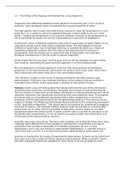
HESI fundamentals 2025 exam with Correct and Verified Answers. Graded A+ "A client with gastroenteritis, nausea, and vomiting is currently on Nothing by mouth (NPO) status. The healthcare provider prescribes oral intake to be advanced as tolerated. Which fluid should the practical nurse offer first? A. Tea B. Broth C. Water D. Soda - Correct Answer C. Water Water or ice chips are the first choices of clear fluids for rehydration by mouth" "An older client who is admitted to the hospital with dehydration and electrolyte imbalance is confused and incontinent of urine. Which action provides the best strategy for the practical nurse (PN) to implement for the client's incontinence? A. Insert an indwelling urinary catheter B. Apply absorbent incontinence pads C. Restrict fluids after the evening meal D. Establish a 2-hour voiding schedule - Correct Answer D. Establish a 2-hour voiding schedule A 2 hour voiding schedule is the best strategy for urinary incontinence management b/c it provides the client who is confused an opportunity to empty the bladder which minimizes incontinence due to overfilling" "Which intervention should the practical nurse (PN) implement to reduce the incidence of urinary tract infections in a client with an indwelling catheter? A. Irrigate cath with sterile distilled water B. Dilute an antiseptic solution in the perineal wash C. Cleanse perineal area with soap and water BID and PRN D. Apply an antibiotic ointment around urinary meatus BID - Correct Answer C. Cleanse perineal area with soap and water BID and PRN Daily perineal care BID and PRN should include cleansing of the meatus and catheter junction with soap and water" "A male client is upset with the healthcare provider's recommendation that he should consent to an above-knee amputation. He tells the practical nurse (PN), if they want to cut off my leg, they should just shoot me instead. How should the PN respond? A. Ask the client how the surgery might effect his lifestyle B. Offer to stay with the client wile he makes his decision C. Express sympathy that there is no other choice possible D. Explain how many others function well with a prosthesis - Correct Answer A. Ask the client how the surgery might effect his lifestyle Limb amputation alters body image and changes the client's ADLs, work, and recreational activities, which triggers a grieving process for the client. Determining the client's perception of the procedure's impact on his lifestyle is therapeutic and allows the client to explore and discuss feelings" The nurse is assessing a client with dark skin who is in Respiratory Distress. Which client response should the nurse evaluate to determine cyanosis in this particular client? A. Cyanosis in a client with dark skin is seen in the sclera B. Abnormal skin color changes in a client with dark skin cannot be determined C. The lips and mucus membranes of a client with dark skin are dusky in color D. Blanching the soles of the feet in a client with dark skin reveals cyanosis - Correct Answer C. The lips and mucus membranes of a client with dark skin are dusky in color Causes of cyanosis include hypoxemia and decreased cardiac output, which provides clues to respiratory status with changes in skin color and mucous membranes. Cyanosis, a late sign of hypoxemia, is best observed in tissue that has superficial capillary supply, such as mucous membranes, the conjunctiva, lips, palms, and under the tongue, which is readily visible in dark skin" "Which technique should the PN use to most accurately assess a client's baseline BP during a routine health exam? A. Measure the pressure in each arm while the client sits with both arms supported at heart level B. Calculate avg BP using readings obtained in both arms C. Obtain BP first with client lying supine and then when standing D. Take additional measurements for readings with a 10 mm Hg difference - Correct Answer A. Measure the pressure in each arm while the client sits with both arms supported at heart level BP should be taken initially in both arms while the client is seated or supine with the arm bared, supported, and positioned at the level of the heart" "A client with cancer who has been taking opioid analgesics for two years now requires increased doses to obtain pain relief. he client expresses fear about becoming addicted to these drugs. What information should the practical nurse (PN) provide? A. Opioid use with cancer does not cause addiction B. Addiction is easily reversed if it occurs during pain management C. Prescribed opiates for cancer pain relief improves quality of life D. Opiate dosages can be tapered is a client fears addiction - Correct Answer C. Prescribed opiates for cancer pain relief improves quality of life The goal of pain management for clients with cancer using opiates is to minimize pain and improve quality of life, making pain relief rather than addiction, the primary goal" "Which intervention should the practical nurse (PN) implement to help a client cope effectively with chronic pain? A. Administer around the clock opiate drugs B. Give scheduled doses of benzodiazapines C. Recommend avoiding painful activities D. Encourage using relaxation techniques - Correct Answer D. Encourage using relaxation techniques They can be an effective long-term strategy to help the client control tension, anxiety, and cope with chronic pain" "A young woman, who is the primary caregiver for her mother who has Alzheimer's disease, tells the practical nurse (PN), "Sometimes I hate my mother for living this long and my Dad for dying and not caring for her." What response should the PN offer? A. What you do to cope with these feelings? B. Have you told your family how you feel? C. It's normal feel these emotions when you are stressed. D. Don't worry, at least you can talk about your angry. - Correct Answer A. What you do to cope with these feelings? A response that invites the client to share feelings and perceptions is the most therapeutic communication." "A male Native American client with tuberculosis is visiting a health care clinic for follow up treatment. During the interview, the practical nurse (PN) notices that the client keeps his eyes on the floor and does not make eye contact. How should the PN interpret this client's behavior? A. He is uncomfortable with violation of his personal space B. The client is depressed and concerned about his diagnosis C. His culture finds sustained eye contact rude and disrespectful D. The client is reluctant to speak without a tribal shaman there - Correct Answer C. His culture finds sustained eye contact rude and disrespectful Native Americans usually avoid sustained eye contact as a sign of respect" "The practical nurse (PN) is caring for a client who is admitted with influenza and vomiting for 3 days. The client's skin turgor is poor and oral mucous membranes are dry. Which finding is most important for the practical nurse (PN) to report to the charge nurse? A. Weight loss of 4lbs in the last 3 days B. Hypotension and tachycardia C. Nausea and anorexia D. Dark amber urine output at 30mL/hour - Correct Answer B. Hypotension and tachycardia Fluid loss from vomiting causes a shift in intravascular fluids causing dehydration, hypotension, and tachycardia, which should be reported to the charge nurse" "The practical nurse (PN) is assisting a client plan a balanced vegetarian diet that provides the highest in protein quality. Which selection should the PN recommend to the client? A. Soybeans. B. Peanuts. C. Whole wheat. D. Sesame seeds. - Correct Answer A. Soybeans They are the highest in protein quality and contain the most nutritive value." "The client is receiving a continuous tube feeding. While checking the gastric residual volume, the practical nurse (PN) aspirates 150 mL of gastric contents. What action should the PN take? A. Rinse the feeding tube after throwing away the aspirated gastric contents and restart the feeding B. Replace half of the aspirated gastric contents and slow the rate of feeding C. Throw the aspirated gastric contents away and stop the continuous feeding D. Return all the aspirated contents to the stomach followed with water and consult agency policy - Correct Answer D. Return all the aspirated contents to the stomach followed with water and consult agency policy The residual volume should be replaced in order to prevent loss of electrolytes, and the agency policy should be followed to determine routine actions regarding the volume of the next feeding, rate of feeding, and duration to withhold the continuous feeding" "During insertion of a nasogastric tube (NGT) into the right nares, the client starts to cough. Which action should the practical nurse (PN) implement? A. Notify the HCP and report the inability to insert the NGT B. flush NGT with 30mL of tap water to check for patency C. Withdraw NGT to oral pharynx, reposition client's head, and reinsert D. Continue placing NGT because coughing is an expected response - Correct Answer C. Withdraw NGT to oral pharynx, reposition client's head, and reinsert Difficulty entering the esophagus during insertion of NGT may cause the client to cough if tube enters larynx, which requires stopping insertion of NGT. To reintroduce the NGT, it should be withdrawn until its tip is visualized in the oral pharynx, and the client's head repositioned with the chin closer to the chest to prevent the NGT from entering the trachea" "The practical nurse (PN) observes a client who begins to choke during a meal. determining that the client cannot speak, what action should the PN implement? A. Initiate CPR B. Administer 4 upward abdominal thrusts C. Sweep airway with a hooked index finger D. Place a fist halfway b/w xiphoid process and umbilicus - Correct Answer D. Place a fist halfway b/w xiphoid process and umbilicus" "An older male client who is incontinent receives a prescription for a condom catheter. Which step(s) should the practical nurse implement when applying the external catheter? (select all that apply) A.Wrap the adhesive strip in a spiral around the penis. B. Shave perineal areas before beginning C. Apply skin prep to the penile shaft and allow to dry. D. Leave 1 to 2 inches between the tip of the penis and condom catheter. - Correct Answer A.Wrap the adhesive strip in a spiral around the penis. C.Apply skin prep to the penile shaft and allow to dry. D. Leave 1 to 2 inches between the tip of the penis and condom catheter. Spiral application of adhesive strip minimizes risk of constricting blood flow t penis. Skin prep ensures condom adhesion and prevents leakage. Adequate space allows urine to drain." "The practical nurse (PN) is irrigation a client's indwelling urinary catheter, After injection normal saline as prescribed, what action should the PN implement? A. Massage client's bladder for 30-45 sec B. Keep tubing clamped for 30-45 min C. Unclamp tubing and lower collection bag D. Ask client to take deep breath and hold it - Correct Answer C. Unclamp tubing and lower collection bag Immediately after irrigating a urinary cath, the tubing should be unclamped and the collection bag should be lowered below level of the bladder for proper drainage" "A client's indwelling urinary catheter is removed at 9:30 AM. The practical nurse (PN) assesses the client every two hours for the desire to void. Which documented assessment requires further intervention by the PN? A. 1:30 pm - unable to void B. 5:30 pm - unable to void C. 3:30 pm - unable to void D. 11:30 am - unable to void - Correct Answer B. 5:30 pm: unable to void. Should be able to void within 8 hours after catheter is removed" "The healthcare provider prescribes a cleansing enema for an adult prior to bowel surgery. Which intervention(s) should the practical nurse implement to ensure adequate bowel cleansing? (Select all that apply) A. Place the client on the left side in Sim's position. B. Use enema fluid that is near 105 F (40.4 C). C. Repeat enemas until expelled fluid is clear D. Instill 500 mL to 1,000 mL fluids slowly. E. Raise the enema container 20 inches above anus. F. Encourage the client to retain fluid 10 to 15 minutes. - Correct Answer A. Place the client on the left side in Sim's position. B. Use enema fluid that is near 105 F (40.4 C). D. Instill 500 mL to 1,000 mL fluids slowly. E. Raise the enema container 20 inches above anus. F. Encourage the client to retain fluid 10 to 15 minutes." "Which position is best for the practical nurse to place the client during administration of a rectal suppository for constipation? A. Prone with pillows under abd B. Supine with client on bedpan C. Left Sims' with upper leg flexed D. Right side-lying knee-chest position - Correct Answer C. Left Sims' with upper leg flexed Lessens the likelihood that suppository or feces will be expelled, exposes the anus for visualization during insertion, and helps client relax the external anal sphincter" "The practical nurse (PN) is adding tap water to several medications for administration via feeding tube. Which preparation should the PN administer without delay? A. Reconstituted powder. B. Timed release capsule. C. Cherry flavored elixir. D. Flavorless suspension. - Correct Answer B. Time released capsule Although the gelatin capsule can be opened to administer the spansule's granules, the PN should not crush or allow the timed-released granules to dissolve before administering this preparation via feeding tube since the timed-release function can be compromised." "Which action should the practical nurse (PN) take when drawing medication from an ampule? A. Aspirate with a filter needle and syringe B. Tap bottom of ampule lightly C. Snap neck of ampule towards nurse D. Use alcohol swab to open ampule - Correct Answer A. Aspirate with a filter needle and syringe Ampule is made of glass with a constricted neck that is snapped off to allow access to the medication. Meds are easily withdrawn from ampule by aspirating with a filter needle and syringe. Filter needles are used when withdrawing medication from an ampule to prevent glass particles from being drawn into the syringe with the medication" "The practical nurse (PN) is preparing to reconstitute a drug from powder for for IM administration. Which step should the PN implement first? A. Verify the drug with the medication administration record (MAR). B. Mix powder with the solution C. Attach needle to syringe D. Read label to determine amount of dilutent to use - Correct Answer A. Verify the drug with the medication administration record (MAR) 5 rights of medication administration: right drug, right dose, right route, right time, and right client" "Which action should the practical nurse (PN) implement when administering a subcutaneous injection to a client who weighs 325 pounds? A. Produce a bleb at injection site B. Insert needle at 15 degree angle C. Select a needle with a longer shaft. D. Rub vigorously for faster response - Correct Answer C. Select a needle with a longer shaft This ensures penetration into deep layer of subcutaneous adipose of obese client; needle must be longer than usual needle which is 3/8-5/8 of an inch" "Which finding indicates to the practical nurse (PN) that an older client who is receiving intravenous therapy is experiencing fluid overload? A. Edema in lower extremities B. Crackles in lungs C. Pulse rate of 64 beats/minute D. Respirations of 16 breaths/minute - Correct Answer B. Crackles in lungs IV fluid overload in older client likely causes an increase in the workload of the heart causing decrease in cardiac output. As left ventricle decompensates, the client manifests crackles in lung fields, an increased pulse rate, and shortness of breath" "The practical nurse (PN) is checking the surgical dressing for a client who arrived on the postoperative unit an hour ago. The dressing has an increase in the accumulation of serosanguinous drainage. what nursing action should the PN take? A. Reinforce dressing with clean gauze sponges and tape B. Change surgical dressing immediately to prevent infection C. Mark the outlined area of drainage with date, time and initials D. Collect a sample of drainage for a culture and sensitivity - Correct Answer C. Mark the outlined area of drainage with date, time and initials Should be outline with date, time, and initials for future comparison and evaluation" "The male client who is 2 days postoperative for exploratory abdominal surgery is ambulating in the hall with the practical nurse (PN). The client tells the PN, "I think something in my incision just let go." which action should the PN implement first? A. Notify HCP B. Assist client to supine position C. Instruct client to avoid deep breathing D. Request abd binder from coworker - Correct Answer B. Assist client to supine position "Letting go" = dehiscence, and client should be placed in supine position to minimize suture line stress, by displacing force of gravity and causing evisceration" "The practical nurse (PN) is applying a dry, sterile dressing to a client's abdominal wound. Which allergy should the PN verify with the client? A. Tape B. Antibiotic ointment C. Povidone-iodine D. Hydrogen peroxide - Correct Answer A. Tape" "The practical nurse (PN) is changing a postoperative dressing for a client with a horizontal lower abdominal incision. What method should the PN use to remove the tape from the dressing? A. Pull from left to right across abd B. Peel across abd from right to left C. Start from top of incision moving to bottom D. Remove all four sides by moving to the center of the incision - Correct Answer D. Remove all four sides by moving to the center of the incision This is done to prevent disruption of the wound" "Which action should the practical nurse (PN) follow when applying an elasticized bandage to a client's leg? A. Secure the end with metal clips. B. Overlap turns of the bandage equally. C. Adjust the tension as needed. D. Wrap from the proximal to distal end. - Correct Answer B. Overlap turns of the bandage equally." "An older client who has been on bed rest in not eating well and is exhibiting abdominal distension, cramping, and is passing small amounts of liquid stool. Which prescribed action is most important for the practical nurse (PN) to implement? A. Place incontinence pads on bed B. Give PRN dose of stool softener C. Digitally remove a fecal impaction D. Administer soap subs enema - Correct Answer C. Digitally remove a fecal impaction" "Acetaminophen is prescribed for an unconscious client with a temperature of 104° F. Which route should the practical nurse (PN) plan to administer this medication? A. Oral. B. Rectal. C. Buccal. D. Topical. - Correct Answer B. The rectal route Ensures absorption and safety for an unconscious client who is at risk for aspiration." "An older client who complains of dry mouth is having trouble swallowing pills. What action should the practical nurse take when administering an enteric-coated tablet? A. Crush med and minx with cereal B. Place the whole tablet in a spoonful of pudding C. Break pill in half to make it easier to swallow D. Dissolve drug in 4 oz of applesauce - Correct Answer B. Place the whole tablet in a spoonful of pudding Enteric-coated meds are designed for dissolution and absorption in intestine and should not be broken or crushed" "An older client who is unable to swallow is receiving continuous nasogastric tube (NGT) feeding. Before administering medication through the NGT, what action should the practical nurse (PN) implement? A. Flush the feeding tube with water B. Put client in supine position C. Assess client's ability to swallow D. Prime solution in feeding pump - Correct Answer A. Flush the feeding tube with water Prevents any interactions that may plug the tube" "The practical nurse (PN) is preparing an intramuscular injection for a client who is 5 feet tall and weighs 90 pounds. Which needle size should the PN select for a 3 mL syringe when using the IM ventrogluteal injection site? A. 1 inch B. 2 inches C. 5/8 in D. 1 1/2 in - Correct Answer A. 1 inch Shorter needle is used to avoid striking bone" "The practical nurse (PN) obtains an elevated blood pressure reading for an older male client who is alert. When the PN offers the client his morning blood pressure medication, he refuses to take it. What action should the PN take? A. Mix the crushed meds into his morning oatmeal B. Explain the importance of routine use of antihypertensives C. Tell client that he should not refuse his prescriptions D. Document that the client refused to take his meds - Correct Answer B. Explain the importance of routine use of antihypertensives A client has the right to refuse medications but should be informed of the therapeutic value or routine compliance compliance with taking antihypertensives" "An older female states that the medication tablet brought in a cup looks different from the tablet that she takes at home. Which action should the practical nurse (PN) take? A. Double check med with charge nurse B. Give meds b/c client is confused C. Check the written prescription to verify the medication D. Reassure client that the medication is correct - Correct Answer C. Check the written prescription to verify the medication This is the first line of defense against medication errors" "While taking an adult's vital signs, the practical nurse (PN) notes an irregular radial pulse, What action should the PN implement to obtain the most accurate assessment? A. Use Doppler for radial pulse while monitoring apical B. Obtain radial pulse again for full minute followed by apical pulse C. Perform an apical-radial pulse assessment with another nurse D. Verify finding by counting apical pulse using stethoscope - Correct Answer C. Preform an apical-radial pulse assessment with another nurse Apical-radial pulse provides the most objective comparison when one nurse obtains the radial pulse and another nurse simultaneously auscultates the apical pulse" "The practical nurse (PN) contacts the healthcare provider about an older client who is agitated and aggressive with the staff. Which reason should the PN use to request a prescription for wrist restraints? A. To decrease client's agitation and acting-out behaviors B. To provide an effective way to reduce falls when client is alone C. To protect client and reduce the likelihood of lawsuits D. To ensure the client's safety when the benefits outweigh the risk - Correct Answer D. To ensure the client's safety when the benefits outweigh the risk." "Which action should the practical nurse (PN) implement when supporting an older client who is afraid of dying? A. Ask the client about his belief of a spiritual life after death B. Provide basic comfort measures to alleviate pain and breathlessness C. Use open-ended questions to encourage the client to share feelings D. Talk about common beliefs that others have expressed about death - Correct Answer C. Use open-ended questions to encourage the client to share feelings" "A family member of a dying client asks the practical nurse (PN) if the client knows the family is at the bedside. The PN explains that which of the five senses persists the longest during the dying process? A. Smell B. Touch C. Vision D. Hearing - Correct Answer D. Hearing" "Which action should the practical nurse (PN) implement to help a male client cope with his fear as he approaches death? A. Tell client that he will soon find peace and comfort B. Encourage family members to cry at client's bedside C. Hold the client's hand and tell him he is not alone D. Explain signs of impending death to client's family - Correct Answer C. Hold the client's hand and tell him he is not alone Therapeutic touch communicates the presence of others and helps reduce feelings of aloneness, expresses genuine care and concern, and supports a fearful client" "An older client is receiving nasogastric tube (NGT) feedings for several days. Which finding should the PN report to the HCP? A. Soft, formed stools B. Urine output of 2000mL a day C. Abd distention and nausea D. Dried mucus around nasal tube - Correct Answer C. Abd distention and nausea Abd distention and nausea indicate a decrease in rate of stomach emptying or an excessive rate of intake" "An older female recently diagnosed with coronary artery disease (CAD) cooks at home using saturated fats, Which intervention should the practical nurse implement to help the client reduce modifiable risk factor(s)? A. Recommend adoption of a low sodium vegetarian diet B. Encourage food preparation with various vegetable oils C. Explain the benefits of a modified exercise program D. Provide pamphlets which outline CAD risk factors - Correct Answer B. Encourage food preparation with various vegetable oils" "Which action by the practical nurse (PN) demonstrates the value of dignity in client care? A. Reviews medications and allergies with charge nurse B. Closes the door and covers the client during a bath C. Uses the client's first name during admission D. Shares concerns about client's condition with family - Correct Answer B. Closes the door and covers the client during a bath" "Which growth and developmental characteristic should the practical nurse (PN) consider when discussing spirituality with an adolescent client? A. Has a good concept of a supreme being. B. Questions religious practices and values. C. Gives oneself to spiritual tasks. D. Accepts the meaning of spiritual faith. - Correct Answer B. Questions religious practices and values. An adolescent often reconsiders child-like concepts of a spiritual power, and in the search for an identity may either question practices and values, or may find spiritual power as the motivation to seek a clearer meaning to life. Older adults, not adolescents, often turn to important relationships and give themselves to spiritual tasks" "The practical nurse (PN) is caring for an older client who is NPO after surgery. The client complains that his mouth and mucous membranes are dry. Which intervention should the PN implement to increase the client's comfort? A. Increase oral fluid intake B. Preform oral hygiene frequently C. Swab inside of mouth with petroleum jelly D. Report rate of IV fluid administration - Correct Answer B. Preform oral hygiene frequently" "The practical nurse (PN) is giving oral care to an older female client with tender gums that bleed easily because of a medication she is taking. What intervention should the PN implement? A. Encourage client to massage gums B. Use mouth wash only C. Obtain a soft-bristle brush for the client D. Have client rinse with warm salt water - Correct Answer C. Obtain a soft-bristle brush for the client Client needs oral hygiene and soft bristle brushes minimize gingival bleeding" "Which time frame should the practical nurse (PN) reposition a client? A. q 4 hours when awake B. Twice per shift C. q 2 hours D. With each client request - Correct Answer C. q 2 hours" "An older male client tells the practical nurse (PN) that his religion does not permit him to bathe daily. How should the PN respond? A. State that the HCP has prescribed a bath today B. Offer the client several choices of times to bathe during the day C. Review the importance of hygienic measures for improved health D. Request that the client clarify his religious beliefs about bathing - Correct Answer D. Request that the client clarify his religious beliefs about bathing" "An older male client who is sedentary complains of not having a formed bowel movement in four days and tells the practical nurse (PN) that he feels rectal pressure and has a constant headache. The PN determines the client is having frequent small, liquid stools. Which nursing action should the PN take first? A. Provide frequent intake of oral fluids B. Digitally assess for impacted stool C. Give prescribed stool softener D. Administer a mild analgesic - Correct Answer B. Digitally assess for impacted stool Presence of liquid stool indicates impaction" "The practical nurse (PN) is obtaining information for a male client's psychosocial assessment. Which action should the PN implement first? A. Determine the value the client places on his health B. Establish a therapeutic relationship C. Determine is he has abnormal behaviors D. Ask the client to share info about his past - Correct Answer B. Establish a therapeutic relationship" "Which food should the practical nurse (PN) recommend for a client to increase the dietary intake of potassium. A. Corn B. Baked potato C. Popcorn D. Grape juice - Correct Answer B. Baked potato" "An 80 year old male client who has arthritis and is having difficulty walking, tells the practical nurse (PN), "It's awful to be old, It seems as thought every day is a struggle. No one cares about an old person." What is the best response for the PN to provide? A. "It's true. We are a youth-oriented society" B. "Oh, let's not focus on the negative. Tell me something good" C. "It sounds as though you're having a difficult time. Tell me about it" D. "You're still able to get around, and your mind is as sharp as a tack - Correct Answer C. "It sounds as though you're having a difficult time. Tell me about it" Communicating empathy and acknowledging the client's difficulty allows the client to express his feelings" "A client whose diet is low in fiber is at risk for which condition? A. Hip fracture. B. Diarrhea. C. Confusion. D. Colon cancer. - Correct Answer D. Colon cancer Fiber speeds the movement of substances through the GI tract, reducing the amount of time the colon absorbs water and its exposure to digestive end-products that may be carcinogenic. Low-fiber diets increase the risk for constipation and colon cancer" "The practical nurse (PN) identifies a client's need for spiritual support. What is the first action the PN should take? A. Refer the client to a client advocate or personal chaplain. B. Provide the client with religious literature and references. C. Suggest the client use one's religious faith to cope. D. Determine the client's perceptions and belief system. - Correct Answer D. Determine the client's perceptions and belief system. Exploring the client's spirituality may reveal responses to health problems that require nursing intervention. A client's perceptions and belief system should be determined, which may reveal a strong set of resources that enable the client to cope effectively. Once the client's value and belief systems are assessed, then (A, B and C) may be implemented to provide the client with spiritual support." "The practical nurse (PN) is obtaining the vital signs for a client who has a urinary tract infection with Methicillin-resistant Staphylococcus Aureus (MRSA). How should the PN proceed? A. Wear exam gloves and use a disposable stethoscope B. Wipe the stethoscope before removing from the room C. Don a gown and gloves before entering the room D. Use a mask and gloves when entering the room - Correct Answer C. Don a gown and gloves before entering the room MRSA requires contact isolation (gown and gloves)" "A client is receiving a Mantouz test for tuberculosis screening. Which angle should the practical nurse (PN) insert the needle for injection? A. 15 degrees B. 30 degrees C. 45 degrees D. 90 degrees - Correct Answer A. 15 degrees Deposits antigen into the dermis" "A client receiving supplemental oxygen needs to be suctioned to remove excess secretions from the airway. Which intervention should the practical nurse implement to maximize the client's oxygenation? A. Encourage deep breathing prior to suctioning. B. Increase the oxygen flow rate during suctioning attempts. C. Provide oxygen during rest periods between suctioning. D. Limit suctioning attempts to five second intervals. - Correct Answer C. Provide oxygen during rest periods between suctioning. When a client is unable to effectively clear respiratory tract secretions with coughing, suctioning with oxygen during rest periods of 10 to 15 seconds between suction attempts should be provided to ensure maximal oxygenation." "Which assessment should the practical nurse (PN) make to best evaluate a client's fluid status? A. Skin turgor B. Intake and output C. Daily body weight D. Serum electrolyte levels - Correct Answer C. Daily body weight This is the best indicator b/c a sudden increase or decrease in weight in 24 hours provides an estimate to fluid volume retention or loss" "Based on The Joint Commission (TJC) standards for pain assessment and treatment, which action is most important for the practical nurse (PN) to implement when assessing a client? A. Use a pain scale to assess all clients for pain when obtaining vital signs. B. Collect objective information about pain to provide the best prescribed treatment. C. Prioritize pain assessment for surgical clients before clients with chronic illness. D. Give prescribed medications to all clients with outward expressions of pain. - Correct Answer A. Use a pain scale to assess all clients for pain when obtaining vital signs. The priority action, consistent with TJC pain standards, includes assessing all clients for pain, the fifth vital sign, which is best determined with a pain scale." "Which food should the practical nurse (PN) recommend to a client as a source of complete protein? A. Oats B. Eggs C. Lentils D. Peanuts - Correct Answer B. Eggs Sources of complete protein are animal based" "The practical nurse (PN) identifies several findings in an older female who is on prolonged bed rest. Which finding requires prompt action by the PN? A. Heart rate increase of 10 beats/minute B. Bowel movements decreased to one every third day C. Urinary output decreased to 250 mL in the last 24 hours D. Systolic BP decrease of 10 mm Hg - Correct Answer B. Bowel movements decreased to one every third day Immobility reduces venous return, fluid intake, and peristalsis, which reduces frequency for BM and increases risk for constipation and impaction" "The practical nurse (PN) is providing wound care for a client with a stage III pressure ulcer on the left heel. To achieve the goal, and increase in granulation tissue development within two weeks, which intervention should the PN implement? A. Replace dry sterile dressing PRN B. Irrigate wound with normal sterile saline C. Apply heat for 15min three times a day D. Remove heal protector every 2 hours - Correct Answer B. Irrigate wound with normal sterile saline Normal saline irrigation and light mechanical action with gauze sponges provides gentle cleansing that prevents disruption of granulation tissue" "In planning care for an older client on bed rest, which intervention should the practical nurse include in the prevention of pressure ulcers? A. Message carefully over each bony prominence B. Elevate the head of the bed less that 30 degrees C. Place client in a lateral position over trochanter D. Use a donut device when placing client in a sitting position - Correct Answer B. Elevate the head of the bed less that 30 degrees Decreases shearing forces that contribute to pressure ulcers" "What position should the practical nurse (PN) place a client in who is receiving an enteral tube feeding? A. Sitting upright B. Lying on side C. Supine with the head of the bed elevated 30 to 45 degrees D. Fowler's with head of bed elevated 45-60 degrees - Correct Answer C. Supine with the head of the bed elevated 30 to 45 degrees This uses gravitational flow to reduce reflux" "Following a cholecystectomy, a client asks the practical nurse (PN) about dietary restrictions that may need to be followed. Which diet should the PN recommend? A. Low cholesterol and high carb diet B. Restricted sodium and increased fluid diet C. A well-balanced diet with no other restrictions D. Small, frequent meals to reduce ingestion - Correct Answer C. A well-balanced diet with no other restrictions Following cholecystectomy, bile enters the small intestine continually rather than in response to food in the GI tract, so a well balanced diet with no restrictions should be recommended" "Which intervention provides confirmation of nasogastric tube (NGT) placement before NGT feedings are started? A. Flat plate xray of the abdomen. B. Auscultation of the abdomen. C. Determining stomach content pH. D. Measuring residual stomach contents. - Correct Answer A. An x-ray is the most accurate confirmation method of NGT placement and should be done before formula feedings are initiated." "Which intervention should the practical nurse (PN) use to prevent obstruction of a gastric feeding tube? A. Obtain a prescription for a liquid drug form instead of crushing tablets B. Instill an acidic juice, such as cranberry, between intermittent feedings C. Flush the feeding tube with an effervescent cola product to relieve clogs D. Use an asepto syringe to plunge and aspirate the contents of tube - Correct Answer A. Obtain a prescription for a liquid drug form instead of crushing tablets" "A client who has a pressure-relieving mattress overlay is mobilized to a chair and imprints of the clients buttocks, heels, and scapula are evident on the mattress overlay. What action should the practical nurse implement? A. Turn the mattress overlay to the opposite side B. No action is needed b/c this is the mechanism of action for the overlay C. Apply a different pressure relieving device and assess its effectiveness for this client D. Reinforce with cushions b/w the mattress and overlay where the imprints are located - Correct Answer C. Apply a different pressure relieving device and assess its effectiveness for this client" "A client reports feeling dizzy and lightheaded when moving from a supine position to a sitting position. What is the practical nurse's priority intervention? A. Determine pulse pressure B. Measure pulse-ox C. Assess peripheral pulse points D. Obtain orthostatic blood pressures - Correct Answer D. Obtain orthostatic blood pressures" "What nutritional information should the PN provide a client with heart failure (HF)? A. Abstain from alcoholic beverages B. Restrict dietary sodium intake C. Maintain a healthy weight D. Exclude dietary saturated fats - Correct Answer B. Restrict dietary sodium intake Restricting dietary sodium lessens workload of the heart by reducing fluid retention and BP" "A client is receiving a daily prescription for furosemide (Lasix) 40 mg PO, but is unable to swallow. The practical nurse (PN) should consult with the healthcare provider about which component of the prescription? A. Time of dose B. Prescribed dosage C. The route of administration D. Available generic drug - Correct Answer C. The route of administration" "The practical nurse is administering scheduled morning medications to a client who states, I haven't seen that pill before. Are you sure it's correct? Which action should the PN take? A. Verify the prescription before administrating the medication. B. Withhold the dose to confirm its use with the healthcare provider. C. Reassure the client that the medication is prescribed for a reason. D. Check with the pharmacy to ensure the dispensed medication is correct. - Correct Answer A. Verify the prescription before administrating the medication. When giving medications, listening to the concerns expressed by the client provides an opportunity to reassess the administration of the right drug. The prescriptions should be verified and validated with the prescription." "A client is prescribed a medication that is labeled as a sustained released (SR). What action should the practical nurse (PN) implement when administering this drug form? A. Instruct the client to chew the medication. B. Do not crush or dissolve the tablet or capsule contents. C. Obtain a different drug form for administration. D. Delay giving the medication until the stomach is empty. - Correct Answer B. Do not crush or dissolve the tablet or capsule contents. Sustained-release tablets or capsules are drug forms that are coated and delay dissolution over a period of time and should not be crushed or dissolved for administration" "Which information should the practical nurse provide a client who is selecting a site for self-injection of insulin? A. Avoid the abd because absorption is irregular B. Choose a different site at random for each injection C. Give the injection in the same area each time to promote consistent absorption D. Rotate sites within the same location for a week before choosing a new location - Correct Answer D. Rotate sites within the same location for a week before choosing a new location Intra-site rotation is preferred to prevent day to day changes in absorption; the preferred site is the abd, which provides the most rapid insulin absorption" "The practical nurse (PN) hears breath sounds that are short, popping, and discontinuous on inspiration when auscultating a client's lungs. Which description should the PN document in the client's record? A. Wheezes present. B. Crackles auscultated. C. Pleural friction rub noted. D. Bronchovesicular sounds heard. - Correct Answer B. Crackles are short, popping, discontinuous sounds heard on inspiration." "Which technique should the practical nurse use to give a Z-tract intramuscular (IM) injection? A. Ensure that no air is present in syringe B. Inject the medication into the dorsal gluteal site C. Select a 22 gauge, 1 inch needle for injection D. Massage site for 2 minutes after injection - Correct Answer B. Inject the medication into the dorsal gluteal site Z-track IM injection technique is used to administer irritating or cutaneous staining medications into large muscle, and is given by moving the surface skin to one side before puncturing skin" "When irrigating the eyes of a client, which action should the practical nurse implement? A. Instill the irrigant solution in the center of the eye so it flows out both sides B. Direct the irrigation flow from the inner canthus to the outer canthus of the affected eye C. Massage the irrigation fluid over anterior surface of eye using upper eyelid D. Instruct client to blink repeatedly as irrigant is placed in conjunctiva sac - Correct Answer B. Direct the irrigation flow from the inner canthus to the outer canthus of the affected eye Allows irrigation of the greatest area of the eye surface and moves the fluid away from the nasolacrimal duct" "When irrigating the external ear canals of an older adult client, which action should the practical nurse (PN) use to soften dry cerumen for removal? A. Heat the container of irrigation solution to body temp B. Instill mineral oil in the external auditory canal overnight before irrigation C. Use a 50 mL syringe to increase force of fluid flow D. Insert wick into auditory orifice for 30 minutes before draining solution - Correct Answer B. Instill mineral oil in the external auditory canal overnight before irrigation"

Show more Read less
Institution
Hesi
Course
Hesi


Whoops! We can’t load your doc right now. Try again or contact support.

Written for

Institution
Hesi
Course
Hesi

Document information

Uploaded on
September 20, 2025
Number of pages
25
Written in
2025/2026
Type
Exam (elaborations)
Contains
Questions & answers

Subjects

Content preview

HESI fundamentals 2025 exam with
Correct and Verified Answers.
Graded A+
"A client with gastroenteritis, nausea, and vomiting is currently on Nothing by mouth (NPO)
status. The healthcare provider prescribes oral intake to be advanced as tolerated. Which
fluid should the practical nurse offer first?


A. Tea
B. Broth
C. Water
D. Soda - Correct Answer C. Water


Water or ice chips are the first choices of clear fluids for rehydration by mouth"


"An older client who is admitted to the hospital with dehydration and electrolyte imbalance is
confused and incontinent of urine. Which action provides the best strategy for the practical
nurse (PN) to implement for the client's incontinence?


A. Insert an indwelling urinary catheter
B. Apply absorbent incontinence pads
C. Restrict fluids after the evening meal
D. Establish a 2-hour voiding schedule - Correct Answer D. Establish a 2-hour voiding
schedule


A 2 hour voiding schedule is the best strategy for urinary incontinence management b/c it
provides the client who is confused an opportunity to empty the bladder which minimizes
incontinence due to overfilling"


"Which intervention should the practical nurse (PN) implement to reduce the incidence of
urinary tract infections in a client with an indwelling catheter?


A. Irrigate cath with sterile distilled water
B. Dilute an antiseptic solution in the perineal wash
C. Cleanse perineal area with soap and water BID and PRN

,D. Apply an antibiotic ointment around urinary meatus BID - Correct Answer C. Cleanse
perineal area with soap and water BID and PRN


Daily perineal care BID and PRN should include cleansing of the meatus and catheter
junction with soap and water"


"A male client is upset with the healthcare provider's recommendation that he should
consent to an above-knee amputation. He tells the practical nurse (PN), if they want to cut
off my leg, they should just shoot me instead. How should the PN respond?


A. Ask the client how the surgery might effect his lifestyle
B. Offer to stay with the client wile he makes his decision
C. Express sympathy that there is no other choice possible
D. Explain how many others function well with a prosthesis - Correct Answer A. Ask the client
how the surgery might effect his lifestyle


Limb amputation alters body image and changes the client's ADLs, work, and recreational
activities, which triggers a grieving process for the client. Determining the client's perception
of the procedure's impact on his lifestyle is therapeutic and allows the client to explore and
discuss feelings"


The nurse is assessing a client with dark skin who is in Respiratory Distress. Which client
response should the nurse evaluate to determine cyanosis in this particular client?


A. Cyanosis in a client with dark skin is seen in the sclera
B. Abnormal skin color changes in a client with dark skin cannot be determined
C. The lips and mucus membranes of a client with dark skin are dusky in color
D. Blanching the soles of the feet in a client with dark skin reveals cyanosis - Correct Answer
C. The lips and mucus membranes of a client with dark skin are dusky in color


Causes of cyanosis include hypoxemia and decreased cardiac output, which provides clues to
respiratory status with changes in skin color and mucous membranes. Cyanosis, a late sign of
hypoxemia, is best observed in tissue that has superficial capillary supply, such as mucous
membranes, the conjunctiva, lips, palms, and under the tongue, which is readily visible in
dark skin"


"Which technique should the PN use to most accurately assess a client's baseline BP during
a routine health exam?

, A. Measure the pressure in each arm while the client sits with both arms supported at heart
level
B. Calculate avg BP using readings obtained in both arms
C. Obtain BP first with client lying supine and then when standing
D. Take additional measurements for readings with a 10 mm Hg difference - Correct Answer
A. Measure the pressure in each arm while the client sits with both arms supported at heart
level


BP should be taken initially in both arms while the client is seated or supine with the arm
bared, supported, and positioned at the level of the heart"


"A client with cancer who has been taking opioid analgesics for two years now requires
increased doses to obtain pain relief. he client expresses fear about becoming addicted to
these drugs. What information should the practical nurse (PN) provide?


A. Opioid use with cancer does not cause addiction
B. Addiction is easily reversed if it occurs during pain management
C. Prescribed opiates for cancer pain relief improves quality of life
D. Opiate dosages can be tapered is a client fears addiction - Correct Answer C. Prescribed
opiates for cancer pain relief improves quality of life


The goal of pain management for clients with cancer using opiates is to minimize pain and
improve quality of life, making pain relief rather than addiction, the primary goal"


"Which intervention should the practical nurse (PN) implement to help a client cope
effectively with chronic pain?


A. Administer around the clock opiate drugs
B. Give scheduled doses of benzodiazapines
C. Recommend avoiding painful activities
D. Encourage using relaxation techniques - Correct Answer D. Encourage using relaxation
techniques


They can be an effective long-term strategy to help the client control tension, anxiety, and
cope with chronic pain"


"A young woman, who is the primary caregiver for her mother who has Alzheimer's disease,
tells the practical nurse (PN), "Sometimes I hate my mother for living this long and my Dad
for dying and not caring for her." What response should the PN offer?

Get to know the seller

Seller avatar
Reputation scores are based on the amount of documents a seller has sold for a fee and the reviews they have received for those documents. There are three levels: Bronze, Silver and Gold. The better the reputation, the more your can rely on the quality of the sellers work.
Smith01 Chamberlain College Of Nursing
View profile
Follow You need to be logged in order to follow users or courses
Sold
70
Member since
4 year
Number of followers
10
Documents
562
Last sold
2 weeks ago
Excellence Bank

On my page you will find latest exam questions with verified answers to help in your revision. Having graduated recently, I believe I have an up-to-date materials and information that will provide you with what you require for the upcoming exams. I cover a wide range of subjects in my research and put together quality materials on this page. I am always available to help others excel.

4.7

18 reviews

5
14
4
3
3
1
2
0
1
0

Recently viewed by you

Why students choose Stuvia

Created by fellow students, verified by reviews

Quality you can trust: written by students who passed their tests and reviewed by others who've used these notes.

Didn't get what you expected? Choose another document

No worries! You can instantly pick a different document that better fits what you're looking for.

Pay as you like, start learning right away

No subscription, no commitments. Pay the way you're used to via credit card and download your PDF document instantly.

Student with book image

“Bought, downloaded, and aced it. It really can be that simple.”

Alisha Student

Frequently asked questions