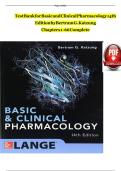
Test BankFor Child Development 9th Editionby
c c c c c c c
c Laura E. BerkChapters 1 - 15
c c c c c c
,TestBankFor ChildDevelopment9th Edition by Laura E. Berk
c c c c c c c c c c
TableofContentsc c
PartI:Theory andResearch inChild Development
c c c c c c c
Chapter 1History, Theory,andAppliedDirections
c c c c c c
Chapter 2ResearchStrategies c c c
PartII:Foundationsof Development
c c c c
Chapter 3BiologicalFoundations, PrenatalDevelopment, andBirth
c c c c c c c
Chapter4Infancy:Early Learning,MotorSkills, andPerceptualCapacities
c c c c c c c c c
Chapter 5Physical Growth c c c
PartIII:CognitiveandLanguage Development
c c c c c
Chapter6CognitiveDevelopment:Piagetian,CoreKnowledge,andVygotskian
c c c c c c c c
Perspectives
Chapter7CognitiveDevelopment:AnInformation-ProcessingPerspective
c c c c c c
Chapter 8Intelligence c c
Chapter 9LanguageDevelopment c c c
PartIV:Personality and SocialDevelopment
c c c c c
Chapter 10EmotionalDevelopment c c c
Chapter 11SelfandSocial Understanding
c c c c c
Chapter 12MoralDevelopment c c c
Chapter 13Development ofSex DifferencesandGender Roles
c c c c c c c c
PartV:Contextsfor Development
c c c c
Chapter 14TheFamily c c c
Chapter 15Peers,Media, andSchooling
c c c c c
,CHAPTER 1 c
HISTORY,THEORY,ANDAPPLIEDDIRECTIONS c c c c c
MULTIPLE CHOICE c
1) Thefield of child development
c c c c
A) is devoted to understandinghuman constancyand change throughout the lifespan.
c c c c c c c c c c
B) ispartofalarger, interdisciplinaryfield knownas developmentalscience.
c c c c c c c c c c
C) focusesprimarilyon children’sphysical andemotional development.
c c c c c c c
D) focusesprimarilyoninfants’andchildren’ssocialandcognitivedevelopment.
c c c c c c c c c
c ANSWER: B c
PageRef: 4 c c
2) Thecommon goal of investigators who studychild development is to
c c c c c c c c c c
A) understandhowphysical growth andnutrition contributeto health and well-being throughout the lifespan.c c c c c c c c c c c c c
B) understand moreabout personalityand social development. c c c c c c
C) analyzechild-rearingpracticesandexperiencesthatpromotechildren’swell-being.
c c c c c c c c
D) describeandidentifythosefactorsthat influencetheconsistenciesand changes in youngpeopleduringthe first two
c c c c c c c c c c c c c c c c c
c decades of life. c c
ANSWER:
c D c
PageRef:4 c c
3) Whichof thefollowingfactors contributed tothestudy of child developmentinthe twentieth century?
c c c c c c c c c c c c c c c
A) Thebeginningofpublic education ledto a demand forknowledgeabout what andhow to teachchildren of different
c c c c c c c c c c c c c c c c c c c
c ages.
B) Parents werehavingmore childrenandresearchersbecame interested intheeffectsoffamilysize on
c c c c c c c c c c c c c c c
c children’s well-being. c
C) Pediatricianswerepressuredbyinsurancecompaniestoimprovechildren’shealth,whichinspirednutritional c c c c c c c c c c c c
c research.
D) Highratesofchildhooddepressioninspirednewareasofresearchintochildren’sanxietiesandbehavior
c c c c c c c c c c c c c c
c problems.
ANSWER:
c A c
PageRef:4 c c
, 4) Whichof thefollowingstatements is trueaboutthefield of childdevelopment?
c c c c c c c c c c c c
A) Scientific curiosityis the prevailing factor that led to the studyof children, and current researchers primarily answer
c c c c c c c c c c c c c c c c c
c questions of scientific interest.
c c c
B) Thefield ofchilddevelopmentisconsidered interdisciplinarybecauseit hasgrownthrough thecombined efforts
c c c c c c c c c c c c c c c
c of people from many fields.
c c c c
C) Child development istheareaof studydevoted to understandingconstancyand change throughoutthe
c c c c c c c c c c c c c c
c lifespan.
D) Mostofwhat weknowaboutchilddevelopment comesfrompsychologistsandmedicalprofessionals.
c c c c c c c c c c c c c
c ANSWER: B c
PageRef: 4c c
5) Developmentisoften divided intowhich of thefollowingthreebroad domains? c c c c c c c c c c c
A) infancy,childhood,andadolescence c c c
B) social,cultural, andhistorical c c c
C) physical,cognitive, and emotional andsocial c c c c c
D) biological,social,andintellectual c c c
c ANSWER: C c
PageRef: 4c c
c c c c c c c
c Laura E. BerkChapters 1 - 15
c c c c c c
,TestBankFor ChildDevelopment9th Edition by Laura E. Berk
c c c c c c c c c c
TableofContentsc c
PartI:Theory andResearch inChild Development
c c c c c c c
Chapter 1History, Theory,andAppliedDirections
c c c c c c
Chapter 2ResearchStrategies c c c
PartII:Foundationsof Development
c c c c
Chapter 3BiologicalFoundations, PrenatalDevelopment, andBirth
c c c c c c c
Chapter4Infancy:Early Learning,MotorSkills, andPerceptualCapacities
c c c c c c c c c
Chapter 5Physical Growth c c c
PartIII:CognitiveandLanguage Development
c c c c c
Chapter6CognitiveDevelopment:Piagetian,CoreKnowledge,andVygotskian
c c c c c c c c
Perspectives
Chapter7CognitiveDevelopment:AnInformation-ProcessingPerspective
c c c c c c
Chapter 8Intelligence c c
Chapter 9LanguageDevelopment c c c
PartIV:Personality and SocialDevelopment
c c c c c
Chapter 10EmotionalDevelopment c c c
Chapter 11SelfandSocial Understanding
c c c c c
Chapter 12MoralDevelopment c c c
Chapter 13Development ofSex DifferencesandGender Roles
c c c c c c c c
PartV:Contextsfor Development
c c c c
Chapter 14TheFamily c c c
Chapter 15Peers,Media, andSchooling
c c c c c
,CHAPTER 1 c
HISTORY,THEORY,ANDAPPLIEDDIRECTIONS c c c c c
MULTIPLE CHOICE c
1) Thefield of child development
c c c c
A) is devoted to understandinghuman constancyand change throughout the lifespan.
c c c c c c c c c c
B) ispartofalarger, interdisciplinaryfield knownas developmentalscience.
c c c c c c c c c c
C) focusesprimarilyon children’sphysical andemotional development.
c c c c c c c
D) focusesprimarilyoninfants’andchildren’ssocialandcognitivedevelopment.
c c c c c c c c c
c ANSWER: B c
PageRef: 4 c c
2) Thecommon goal of investigators who studychild development is to
c c c c c c c c c c
A) understandhowphysical growth andnutrition contributeto health and well-being throughout the lifespan.c c c c c c c c c c c c c
B) understand moreabout personalityand social development. c c c c c c
C) analyzechild-rearingpracticesandexperiencesthatpromotechildren’swell-being.
c c c c c c c c
D) describeandidentifythosefactorsthat influencetheconsistenciesand changes in youngpeopleduringthe first two
c c c c c c c c c c c c c c c c c
c decades of life. c c
ANSWER:
c D c
PageRef:4 c c
3) Whichof thefollowingfactors contributed tothestudy of child developmentinthe twentieth century?
c c c c c c c c c c c c c c c
A) Thebeginningofpublic education ledto a demand forknowledgeabout what andhow to teachchildren of different
c c c c c c c c c c c c c c c c c c c
c ages.
B) Parents werehavingmore childrenandresearchersbecame interested intheeffectsoffamilysize on
c c c c c c c c c c c c c c c
c children’s well-being. c
C) Pediatricianswerepressuredbyinsurancecompaniestoimprovechildren’shealth,whichinspirednutritional c c c c c c c c c c c c
c research.
D) Highratesofchildhooddepressioninspirednewareasofresearchintochildren’sanxietiesandbehavior
c c c c c c c c c c c c c c
c problems.
ANSWER:
c A c
PageRef:4 c c
, 4) Whichof thefollowingstatements is trueaboutthefield of childdevelopment?
c c c c c c c c c c c c
A) Scientific curiosityis the prevailing factor that led to the studyof children, and current researchers primarily answer
c c c c c c c c c c c c c c c c c
c questions of scientific interest.
c c c
B) Thefield ofchilddevelopmentisconsidered interdisciplinarybecauseit hasgrownthrough thecombined efforts
c c c c c c c c c c c c c c c
c of people from many fields.
c c c c
C) Child development istheareaof studydevoted to understandingconstancyand change throughoutthe
c c c c c c c c c c c c c c
c lifespan.
D) Mostofwhat weknowaboutchilddevelopment comesfrompsychologistsandmedicalprofessionals.
c c c c c c c c c c c c c
c ANSWER: B c
PageRef: 4c c
5) Developmentisoften divided intowhich of thefollowingthreebroad domains? c c c c c c c c c c c
A) infancy,childhood,andadolescence c c c
B) social,cultural, andhistorical c c c
C) physical,cognitive, and emotional andsocial c c c c c
D) biological,social,andintellectual c c c
c ANSWER: C c
PageRef: 4c c