Klein geloof - Tanja Joubert
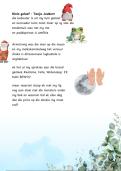
die kabouter is uit my tuin gesteel
en kersvader kam nooit meer op sy slee die
tandemuis was net my ma
en paddaprinse is amfibie
Armstrong was die man op die maan
en my melkskommelweg het versuur
drake is dinosourusse lugkastele is
argitektuur
ek het al my sprokies aan die brand
gesteek Realisme, Feite, Wetenskap: EK
KAN BEWYS!
maar waarom slaap ek met my lig
nog aan stoei met die monsters onder
my bed en waarom bid ek elke dag
dat die prins op die donkie my moet
red?
, Klein geloof - The title “Klein geloof” reflects the poem’s theme of waning
childhood belief.
- It suggests that the speaker’s trust in fairy tales and magic
has been diminished by reality and reason, yet traces of
wonder and hope still linger, revealing the fragile persistence
of imagination.
Small Belief
die kabouter is uit my tuin - The line captures a childlike sense of loss and betrayal,
gesteel blending innocence with a subtle humor.
- The gnome, a symbol of imagination and personal
attachment, represents the speaker’s small, cherished world of
fantasy.
- Its theft signals theintrusionofrealityorexternalforcesinto
this private, magicalspace,reflectingthetensionbetweenthe
whimsical, imaginativemindsetofchildhoodandtheharshness
or unpredictabilityoftherealworld.
- The casual, almostmatter-of-facttoneemphasizeshow
deeply the speakerfeelsthisloss,whilesimultaneouslyhinting
at the absurdityofmourningagardengnome,highlighting
The gnome was stolen from my
the interplayofsincerityandplayfulexaggeration.
garden
en kersvader kam nooit - The linereflectsalossofchildhoodinnocenceandtheharsh
intrusion of reality into the speaker’s imaginative world.
meer op sy slee
- By stating that Santa Claus no longer comes on his sleigh, the
poet conveys a sense of disappointment and the realization
that magical beliefs are fleeting.
- The use of simple, concrete imagery (Santa Claus and his
sleigh) grounds the line in the familiar symbols of wonder and
joy associated with childhood.
At the same time, the phrasing carries a subtly melancholic
-
tone, emphasizing absence and finality, which underscores the
broaderthemeofthepoem:
and Santa Clausnevercame on
the tension between fantasy and
his sleigh again the inevitable truths of adulthood.
die tandemuis was net my - The line can be interpreted as a momentofdisillusionmentin
the speaker’s childhood imagination.
ma
- A “tandemuis” (a fictional or fairy-talecreature)initially
represents magic, wonder, or playfulfantasy.
- By revealing that it “was just my mom,”thespeakerconfronts
the intrusion of reality into their imaginativeworld,
highlighting the blending of the fantasticalandtheordinary.
- This line reflects the tension between childlikebeliefandadult
understanding, showing how everyday figures(likeaparent)
the tooth mouse was just my can replace the magical, turning wonder intomundanetruth.
mom
die kabouter is uit my tuin gesteel
en kersvader kam nooit meer op sy slee die
tandemuis was net my ma
en paddaprinse is amfibie
Armstrong was die man op die maan
en my melkskommelweg het versuur
drake is dinosourusse lugkastele is
argitektuur
ek het al my sprokies aan die brand
gesteek Realisme, Feite, Wetenskap: EK
KAN BEWYS!
maar waarom slaap ek met my lig
nog aan stoei met die monsters onder
my bed en waarom bid ek elke dag
dat die prins op die donkie my moet
red?
, Klein geloof - The title “Klein geloof” reflects the poem’s theme of waning
childhood belief.
- It suggests that the speaker’s trust in fairy tales and magic
has been diminished by reality and reason, yet traces of
wonder and hope still linger, revealing the fragile persistence
of imagination.
Small Belief
die kabouter is uit my tuin - The line captures a childlike sense of loss and betrayal,
gesteel blending innocence with a subtle humor.
- The gnome, a symbol of imagination and personal
attachment, represents the speaker’s small, cherished world of
fantasy.
- Its theft signals theintrusionofrealityorexternalforcesinto
this private, magicalspace,reflectingthetensionbetweenthe
whimsical, imaginativemindsetofchildhoodandtheharshness
or unpredictabilityoftherealworld.
- The casual, almostmatter-of-facttoneemphasizeshow
deeply the speakerfeelsthisloss,whilesimultaneouslyhinting
at the absurdityofmourningagardengnome,highlighting
The gnome was stolen from my
the interplayofsincerityandplayfulexaggeration.
garden
en kersvader kam nooit - The linereflectsalossofchildhoodinnocenceandtheharsh
intrusion of reality into the speaker’s imaginative world.
meer op sy slee
- By stating that Santa Claus no longer comes on his sleigh, the
poet conveys a sense of disappointment and the realization
that magical beliefs are fleeting.
- The use of simple, concrete imagery (Santa Claus and his
sleigh) grounds the line in the familiar symbols of wonder and
joy associated with childhood.
At the same time, the phrasing carries a subtly melancholic
-
tone, emphasizing absence and finality, which underscores the
broaderthemeofthepoem:
and Santa Clausnevercame on
the tension between fantasy and
his sleigh again the inevitable truths of adulthood.
die tandemuis was net my - The line can be interpreted as a momentofdisillusionmentin
the speaker’s childhood imagination.
ma
- A “tandemuis” (a fictional or fairy-talecreature)initially
represents magic, wonder, or playfulfantasy.
- By revealing that it “was just my mom,”thespeakerconfronts
the intrusion of reality into their imaginativeworld,
highlighting the blending of the fantasticalandtheordinary.
- This line reflects the tension between childlikebeliefandadult
understanding, showing how everyday figures(likeaparent)
the tooth mouse was just my can replace the magical, turning wonder intomundanetruth.
mom