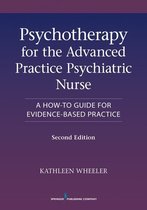
COMPLETE TEST BANK:
PSYCHOTHERAPY FOR THE ADVANCED PRACTICE
PSYCHIATRIC NURSE, SECOND EDITION: A HOW-TO
GUIDE FOR EVIDENCE- BASED PRACTICE 2ND
EDITION BY KATHLEEN WHEELER
,Table of Contents
Part I. Getting Started............................................................................................................................3
Chapter 1. The Nurse Psychotherapist and a Framework for Practice .............................3
Chapter 2. The Neurophysiology of Trauma and Psychotherapy ..................................... 55
Chapter 3. Assessment and Diagnosis ...................................................................................... 71
Chapter 4. The Initial Contact and Maintaining the Frame ...............................................105
Part II. Psychotherapy Approaches ............................................................................................... 157
Chapter 5. Supportive and Psychodynamic Psychotherapy ............................................. 157
Chapter 6. Eye Movement Desensitization and Reprocessing Therapy ....................... 208
Chapter 7. Motivational Interviewing ........................................................................................211
Chapter 8. Cognitive Behavioral Therapy .............................................................................. 223
Chapter 9. Interpersonal Psychotherapy ............................................................................... 245
Chapter 10. Humanistic–Existential and Solution-Focused Approaches to
Psychotherapy ................................................................................................................................ 254
Chapter 11. Group Therapy .......................................................................................................... 263
Chapter 12. Family Therapy ........................................................................................................ 305
Part III. Psychotherapy With Special Populations..................................................................... 341
Chapter 13. Stabilization for Trauma and Dissociation ...................................................... 341
Chapter 14. Dialectical Behavior Therapy for Complex Trauma ..................................... 377
Chapter 15. Psychopharmacotherapy and Psychotherapy ............................................... 394
Chapter 16. Psychotherapeutic Approaches for Addictions and Related Disorders .441
Chapter 17. Psychotherapy With Children ..............................................................................458
Chapter 18. Psychotherapy With Older Adults........................................................................511
Part IV. Documentation, Evaluation, and Termination ............................................................ 563
Chapter 19. Reimbursement and Documentation ................................................................ 563
Chapter 20. Termination and Outcome Evaluation .............................................................. 571
,Test Bank: Psychotherapy for the Advanced Practice Psychiatric Nurse, Second Edition: A How-To
Guide for Evidence- Based Practice 2nd Edition
Part I. Getting Started
Chapter 1. The Nurse Psychotherapist and a Framework for Practice
QUESTION 1
The nurses new job description at the generalist level of practice reflects the definition of
psychiatricmental health nursing and the PsychiatricMental Health Nursing Standards of Practice
(ANA, APNA, ISPN). In which of the following areas might the nurse plan programs and intervention
to fulfill employment expectations?
Standard Text: Select all that apply.
1. Stress management strategies
2. Early diagnosis of psychiatric disorders
3. Parenting classes for new parents
4. Family and group psychotherapy
5. Medication teaching for anti-anxiety medications
ANSWER: : 1,3,4,5
, RATIONALE 1: Stress management strategies address health, wellness, and care of mental health
problems and are appropriate for psychiatricmental health nursing at the generalist level of
practice.
RATIONALE 2: Early diagnosis of psychiatric disorders is generally not consistent with the definition
or practice of psychiatricmental health nursing especially at the generalist level.
RATIONALE 3: Parenting classes for new parents provide teaching that is consistent with the
prevention of mental health problems and is consistent with psychiatricmental health nursing at
the generalist level of practice.
RATIONALE 4: Family and group psychotherapy is consistent at the advanced practice registered
nurse level but not the generalist level.
RATIONALE 5: Medication teaching for anti-anxiety medications promotes quality of care for persons
with psychiatric disorders and is vital for psychiatricmental health nursing practice at the
generalist level of practice.
Global RATIONALE:
Cognitive Level: Applying
Client Need: Psychosocial Integrity
Client Need Sub:
Nursing/Integrated Concepts: Nursing Process: Planning
PSYCHOTHERAPY FOR THE ADVANCED PRACTICE
PSYCHIATRIC NURSE, SECOND EDITION: A HOW-TO
GUIDE FOR EVIDENCE- BASED PRACTICE 2ND
EDITION BY KATHLEEN WHEELER
,Table of Contents
Part I. Getting Started............................................................................................................................3
Chapter 1. The Nurse Psychotherapist and a Framework for Practice .............................3
Chapter 2. The Neurophysiology of Trauma and Psychotherapy ..................................... 55
Chapter 3. Assessment and Diagnosis ...................................................................................... 71
Chapter 4. The Initial Contact and Maintaining the Frame ...............................................105
Part II. Psychotherapy Approaches ............................................................................................... 157
Chapter 5. Supportive and Psychodynamic Psychotherapy ............................................. 157
Chapter 6. Eye Movement Desensitization and Reprocessing Therapy ....................... 208
Chapter 7. Motivational Interviewing ........................................................................................211
Chapter 8. Cognitive Behavioral Therapy .............................................................................. 223
Chapter 9. Interpersonal Psychotherapy ............................................................................... 245
Chapter 10. Humanistic–Existential and Solution-Focused Approaches to
Psychotherapy ................................................................................................................................ 254
Chapter 11. Group Therapy .......................................................................................................... 263
Chapter 12. Family Therapy ........................................................................................................ 305
Part III. Psychotherapy With Special Populations..................................................................... 341
Chapter 13. Stabilization for Trauma and Dissociation ...................................................... 341
Chapter 14. Dialectical Behavior Therapy for Complex Trauma ..................................... 377
Chapter 15. Psychopharmacotherapy and Psychotherapy ............................................... 394
Chapter 16. Psychotherapeutic Approaches for Addictions and Related Disorders .441
Chapter 17. Psychotherapy With Children ..............................................................................458
Chapter 18. Psychotherapy With Older Adults........................................................................511
Part IV. Documentation, Evaluation, and Termination ............................................................ 563
Chapter 19. Reimbursement and Documentation ................................................................ 563
Chapter 20. Termination and Outcome Evaluation .............................................................. 571
,Test Bank: Psychotherapy for the Advanced Practice Psychiatric Nurse, Second Edition: A How-To
Guide for Evidence- Based Practice 2nd Edition
Part I. Getting Started
Chapter 1. The Nurse Psychotherapist and a Framework for Practice
QUESTION 1
The nurses new job description at the generalist level of practice reflects the definition of
psychiatricmental health nursing and the PsychiatricMental Health Nursing Standards of Practice
(ANA, APNA, ISPN). In which of the following areas might the nurse plan programs and intervention
to fulfill employment expectations?
Standard Text: Select all that apply.
1. Stress management strategies
2. Early diagnosis of psychiatric disorders
3. Parenting classes for new parents
4. Family and group psychotherapy
5. Medication teaching for anti-anxiety medications
ANSWER: : 1,3,4,5
, RATIONALE 1: Stress management strategies address health, wellness, and care of mental health
problems and are appropriate for psychiatricmental health nursing at the generalist level of
practice.
RATIONALE 2: Early diagnosis of psychiatric disorders is generally not consistent with the definition
or practice of psychiatricmental health nursing especially at the generalist level.
RATIONALE 3: Parenting classes for new parents provide teaching that is consistent with the
prevention of mental health problems and is consistent with psychiatricmental health nursing at
the generalist level of practice.
RATIONALE 4: Family and group psychotherapy is consistent at the advanced practice registered
nurse level but not the generalist level.
RATIONALE 5: Medication teaching for anti-anxiety medications promotes quality of care for persons
with psychiatric disorders and is vital for psychiatricmental health nursing practice at the
generalist level of practice.
Global RATIONALE:
Cognitive Level: Applying
Client Need: Psychosocial Integrity
Client Need Sub:
Nursing/Integrated Concepts: Nursing Process: Planning