CORNELL NOTE
Hi everyone,
In college and in many other areas of life, note-taking is an important skill that everyone should
develop to better manage their time and work more effectively. In this document, I would like to
share with you the Cornell Method - an effective way to take notes. I will focus on two primary
areas directly:
A. Structure of Cornell Note (Template and Example):
- Main parts:
+ Key ideas
+ Notes
+ Summary
- Template
- Example
B. Some tips to better take note:
- Should
- Should NOT
I hope it will help you to discover a great way to manage your work.
Let’s get started!
, A. Structure of Cornell Note:
I. Main parts:
There are three main parts including:
- Key ideas: This is about processing information. When you listen to a podcast, attend a
lecture, or organize your work, you need to identify the key ideas that appear. These are
the most important points that help you understand the overall message.
- Notes: This is where you write down your notes. You should focus on the main ideas
such as thesis statements, main topics, headings, subheadings, and other major points. If
some information is too detailed or specific, it’s better to skip it, especially during a fast
lecture, when you don’t have time to write everything.
- Summary:
+ In this part, you write a short paragraph to summarize the main ideas of the
lecture or material. Your summary should include the key ideas and important notes you
wrote earlier.
+ Moreover, if you think the notes and key ideas above are clear enough for you,
in this summary part you can write:
● The name courses, dates, names, test days, questions and answers, or
confused questions to ask the professor later.
=> Put whatever you want here to help you remember your notes better.
II. Cornell Note Template:
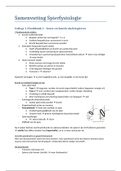
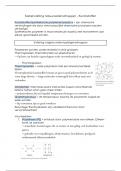
You can see the Cornell note template in the next page, or click on this link if you want to
download the Cornell note PDF file for print.
- Cornell Note Template PDF: Cornell Notes template.pdf
- Cornell Note Example PDF: Cornell Note Example.pdf
Hi everyone,
In college and in many other areas of life, note-taking is an important skill that everyone should
develop to better manage their time and work more effectively. In this document, I would like to
share with you the Cornell Method - an effective way to take notes. I will focus on two primary
areas directly:
A. Structure of Cornell Note (Template and Example):
- Main parts:
+ Key ideas
+ Notes
+ Summary
- Template
- Example
B. Some tips to better take note:
- Should
- Should NOT
I hope it will help you to discover a great way to manage your work.
Let’s get started!
, A. Structure of Cornell Note:
I. Main parts:
There are three main parts including:
- Key ideas: This is about processing information. When you listen to a podcast, attend a
lecture, or organize your work, you need to identify the key ideas that appear. These are
the most important points that help you understand the overall message.
- Notes: This is where you write down your notes. You should focus on the main ideas
such as thesis statements, main topics, headings, subheadings, and other major points. If
some information is too detailed or specific, it’s better to skip it, especially during a fast
lecture, when you don’t have time to write everything.
- Summary:
+ In this part, you write a short paragraph to summarize the main ideas of the
lecture or material. Your summary should include the key ideas and important notes you
wrote earlier.
+ Moreover, if you think the notes and key ideas above are clear enough for you,
in this summary part you can write:
● The name courses, dates, names, test days, questions and answers, or
confused questions to ask the professor later.
=> Put whatever you want here to help you remember your notes better.
II. Cornell Note Template:
You can see the Cornell note template in the next page, or click on this link if you want to
download the Cornell note PDF file for print.
- Cornell Note Template PDF: Cornell Notes template.pdf
- Cornell Note Example PDF: Cornell Note Example.pdf